
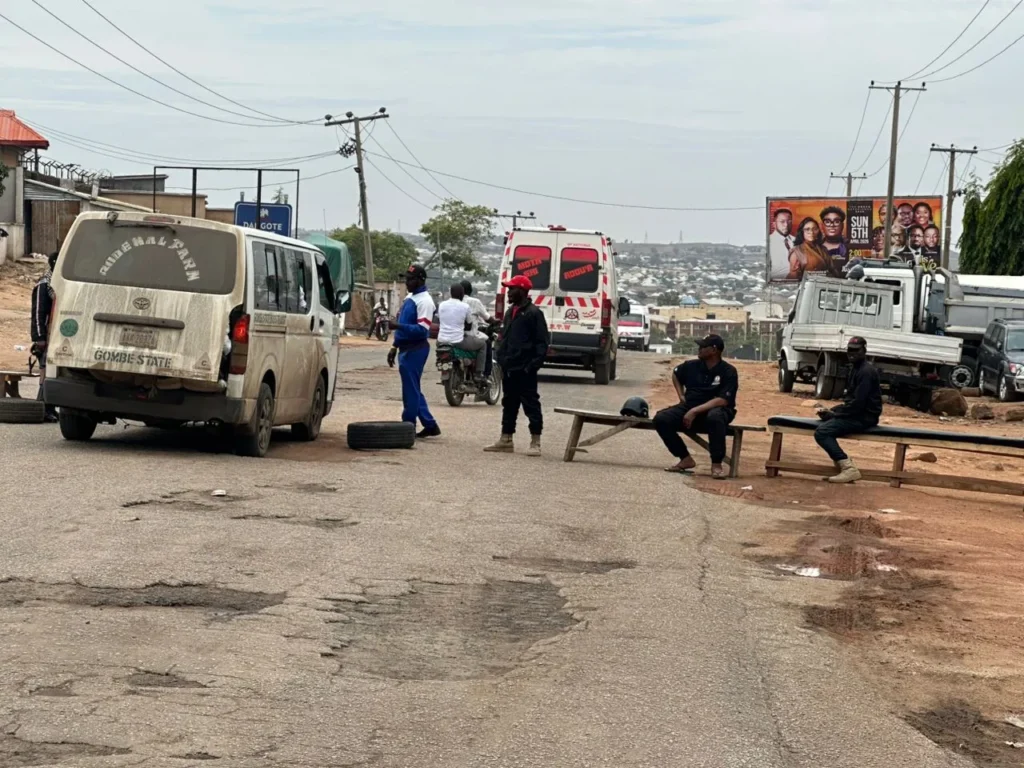
Drive through Atiku Street today and you may see okada riders dodging potholes, small shops spilling onto the road, and houses built wherever there is space. Now, imagine that same road in twenty years, wide and paved, with proper drainage and streetlights guiding traffic at night. That is the picture Plateau State wants you to hold onto as it unveils the 2050 vision for Jos.
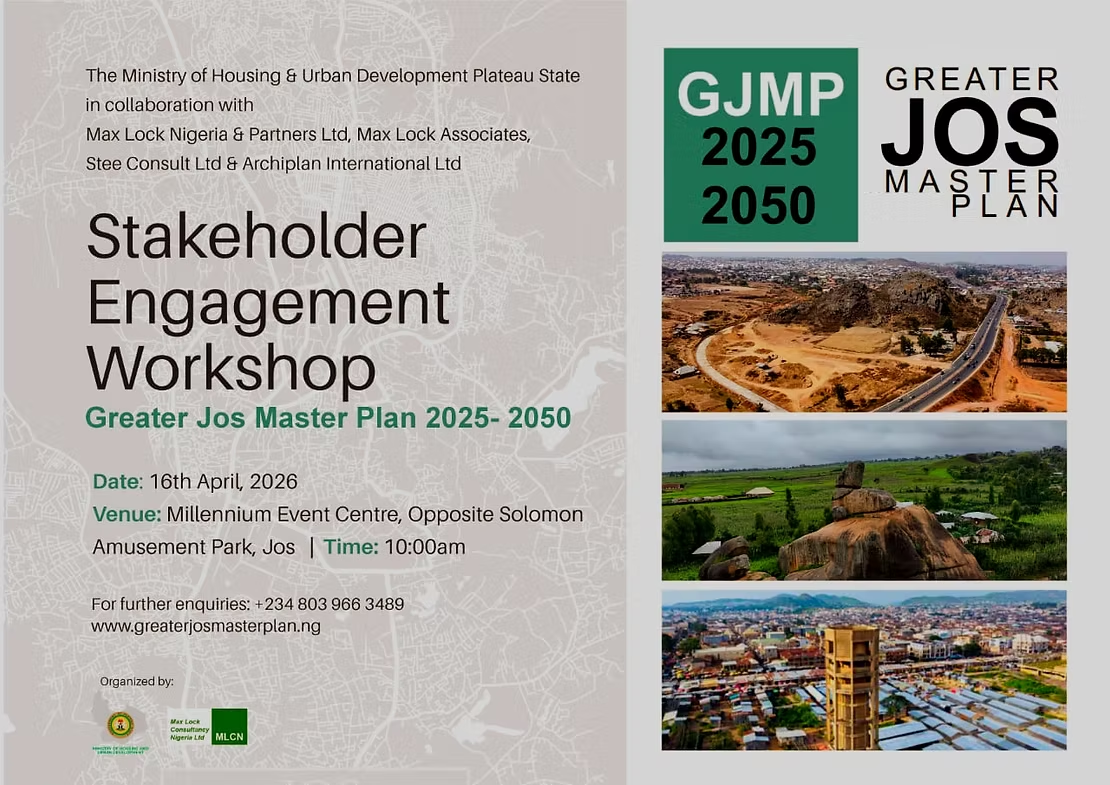
The 2050 Vision Takes Shape in Jos
Government officials announced the plan in mid-August 2026, and it covers Jos North, Jos South, Bassa, and Jos East. The 2050 vision promises order, better roads, reliable drainage, and organized growth for a city that has expanded rapidly with little or no planning behind it.
Governor Caleb Mutfwang’s administration built this plan around consultation. Community leaders, professionals, and religious bodies all had a seat at the table through a City Consultation Council. That approach alone signals something important. This time, government wants residents to understand the plan, not just read about it in the news.
Also Read: A New Era for Plateau Livestock: Governor Mutfwang Breaks Ground on Heipang Mega Abattoir
What The 2050 Vision Promises You
Every big plan raises the same question. What does this actually mean for me? The 2050 vision answers that question in three parts: where you will live, where you will work, and where you will relax.
Residential areas will follow clear layouts, with proper roads and drainage instead of the current maze of dirt paths. Commercial zones will organize markets and shops into structured spaces, moving away from roadside clutter. Recreational areas will bring real parks, walking paths, and green spaces where families can breathe and children can play safely.
None of these happens overnight. But the 2050 vision gives Jos a clear direction after decades of growth that simply happened haphazardly, without a map to guide it.
Also Read:Plateau Potatoes: A Taste of Home, Pride, and Prosperity
Inside the Jos Master Plan
Jos has seen ambitious plans before. The Doxiadis plan from 1975 barely got off the ground. The FolaKonsult plan that followed fared little better, with most of its provisions never built. Residents who remember those efforts have every reason to ask hard questions about this one.
But the Jos master plan differs from its predecessors in one major way. It comes with real financial backing already in motion. Plateau State signed a ten billion naira partnership with UNDP in 2025 to modernize agriculture, tourism, and digital infrastructure. The state also struck cooperation agreements with Namibia and joined climate resilience programs through ACReSAL. These are not just promises on paper. They are signed commitments already shaping how the government spends money today.
Why the Jos Master Plan Feels Different This Time
Look at the numbers and you start to see why optimism feels reasonable. Plateau State’s 2026 budget allocates over 500 billion naira to capital projects, with significant funding going directly toward works, transport, water, sanitation, and housing. That is real money moving toward the same priorities the master plan describes.
Lack of enforcement is the reason old plans failed hard. Governor Mutfwang has also pushed for enforcement through Executive Order 003, targeting illegal structures built on waterways and green areas. Seeing action taken now, before the plan is even finalized, suggests something has shifted in how seriously government treats implementation this time.
During a town hall meeting held on Democracy Day, the Governor told residents that many projects are already underway behind the scenes, even ones the public has not yet heard about. That single statement lifted the mood in the room. People left encouraged, many of them praising the administration’s quiet, and steady progress so far.

Governor Caleb Mutfwang
The 2050 Vision
Where Growth May Arrive First
Every master plan has to start somewhere, and land near existing infrastructure usually moves first. Axis close to Rayfield, including Guratop, Zarmaganda, and Mai Adiko, already show signs of early positioning for development. Investors and residents alike are watching these corridors closely.
That does not mean other areas get forgotten. It simply means change tends to ripple outward from places already connected to roads, water, and power. Understanding this pattern helps residents make sense of where opportunity might knock first.
What This Means for Your Everyday Life
Strip away the technical language, and the 2050 vision is really about daily life. It is about shorter commutes, safer neighborhoods, cleaner drainage during rainy season, and parks where families can finally relax without traveling far.
It is easy to feel skeptical after watching plans fail before. But this one carries something previous efforts lacked: funding already flowing, partnerships already signed, and a governor willing to enforce rules even before the ink dries on the final document.
Plateau State has enormous potential, and watching it move steadily toward that potential feels deeply satisfying for anyone who calls this place home. The 2050 vision will not transform Jos overnight. But brick by brick, road by road, it gives the city something it has needed for a long time: a real plan people can believe in.
Twenty four years from now, the potholes on Atiku Street road may just be a memory. And if the 2050 vision holds true to its word, today’s dusty junctions could become tomorrow’s thriving neighborhoods, built the right way, for the people who have always called Jos home.
Also Read: https://www.samsonomale.com/post/plateau-government-seeks-public-input-on-greater-jos-master-plan