Where Plateau Begins
Before you enter Jos, you touch down in Heipang.
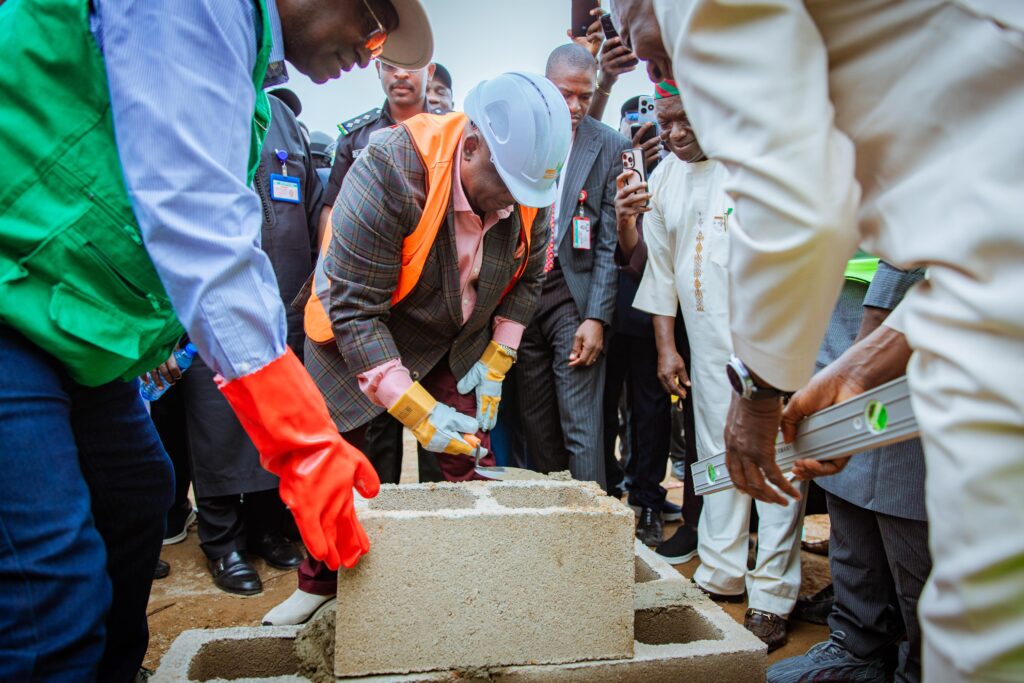
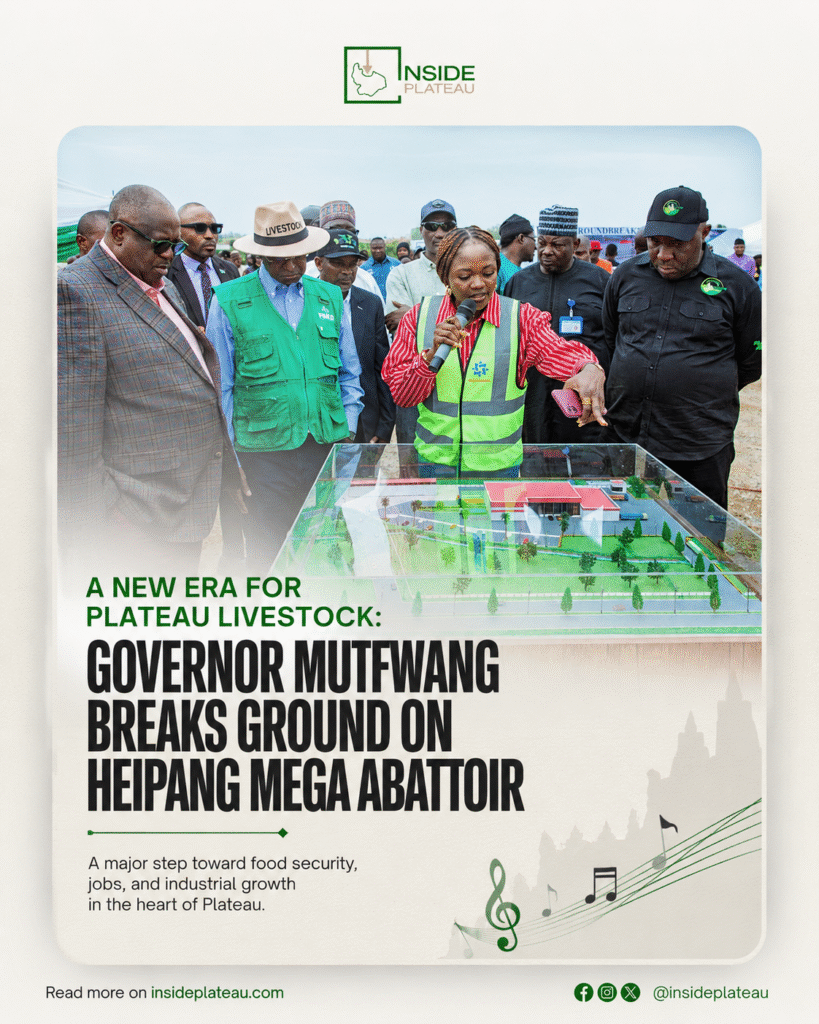
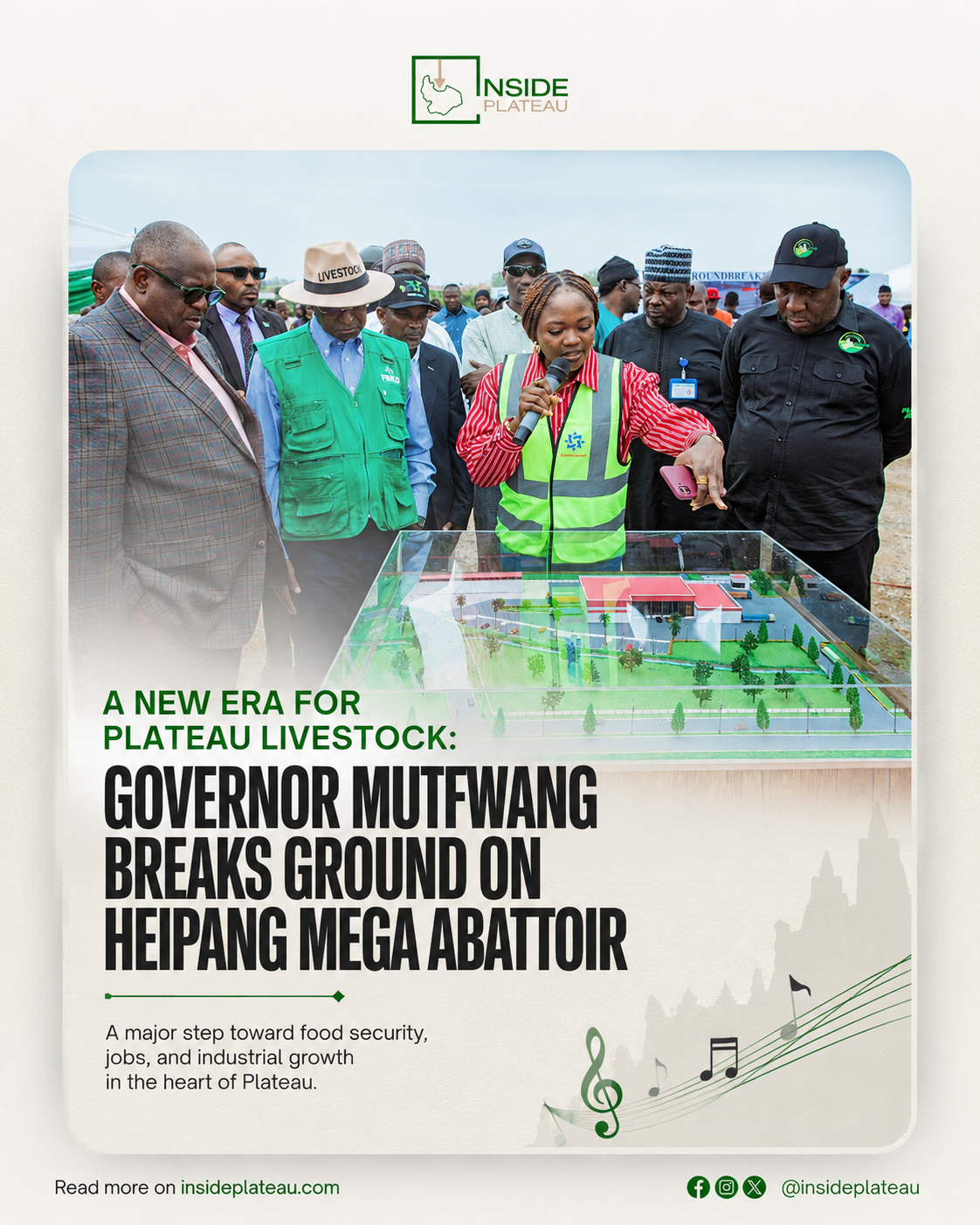
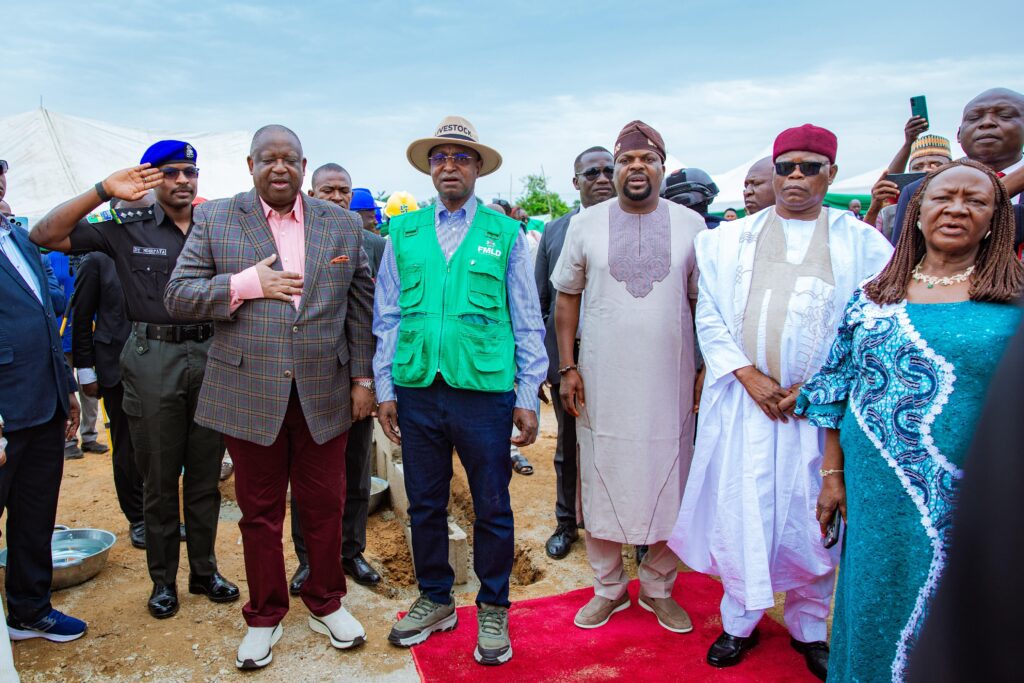
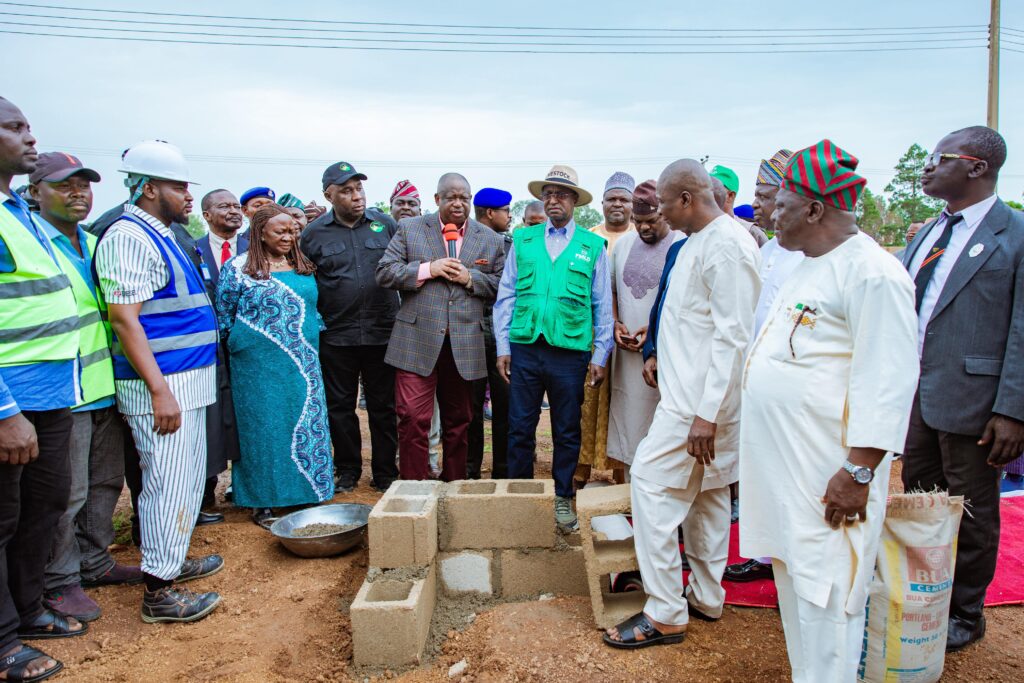
The Yakubu Gowon Airport sits quietly in Heipang, in Barkin Ladi Local Government Area. Heipang have been receiving every traveller who arrives in Plateau State by air. It is the first ground you feel beneath your feet. The large, open terrain that greets you tells a story of land with room to breathe, room to grow, room to build. For decades, Heipang has served as the gateway to the Plateau. On June 15, 2026, it became something more. Governor Caleb Manasseh Mutfwang stood at Pwomol Village in Heipang and broke ground on what may become the most consequential infrastructure project of his administration — the Heipang Mega Abattoir, a 500-cattle-per-day ultra-modern meat processing facility set to redefine what Plateau State livestock means to Nigeria and to the world.
What Was Flagged Off
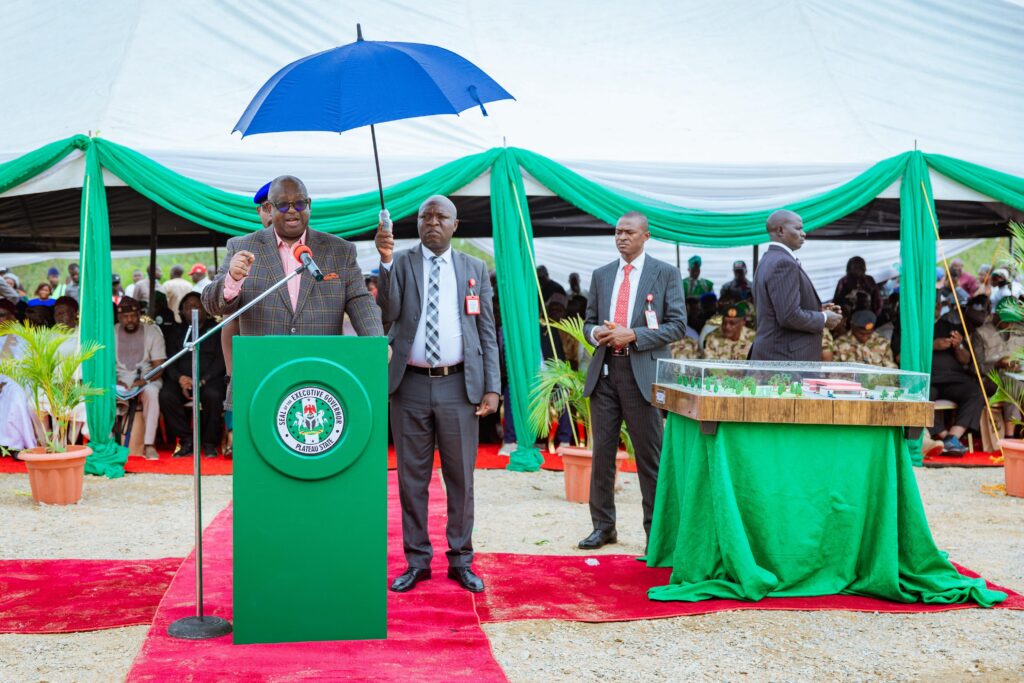
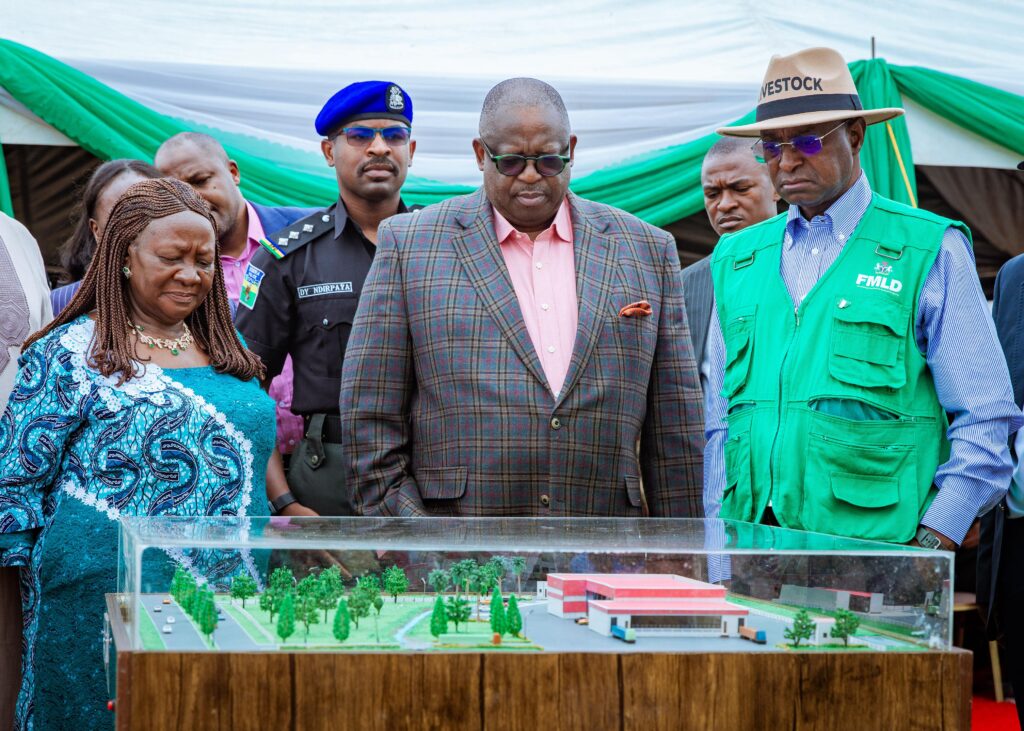
The Heipang Mega Abattoir is not a slaughterhouse in the traditional Nigerian sense. It is an integrated agro-industrial facility designed to process 500 cattle every single day, operating within the Heipang Special Agro-Processing Zone — a 500-hectare hub built to attract private investment, drive value addition, and position Plateau State as a serious player in Nigeria’s food processing economy.
The project is backed by the World Bank through the Livestock Productivity and Resilience Support Programme, known as L-PRES, and is structured as a Public-Private Partnership. The timeline is 12 months. Alongside it, Governor Mutfwang flagged off a Veterinary Teaching Hospital in Barkin Ladi, cementing the area as a livestock development corridor in its own right. Federal Minister of Livestock Development was present. Traditional leaders attended. Private sector stakeholders were on ground. This was not a ribbon-cutting photo opportunity. This was a declaration. Governor Mutfwang described the moment as “the groundbreaking of a new economic future” for Plateau — and the weight behind those words is hard to dispute.
Also Read: Plateau Potatoes: A Taste of Home, Pride, and Prosperity
The Strategic Logic of Heipang
Why Heipang? The answer is written into the geography itself.
Heipang sits roughly 20 minutes from Jos, close enough to the state capital to serve as its industrial extension, yet spacious enough to accommodate the kind of large-scale infrastructure that cities cannot absorb. The airport is already there. The land is already vast. The roads already exist. And Barkin Ladi, the LGA that hosts Heipang, is one of Plateau State’s most significant livestock communities — sitting alongside Jos South, Bassa, Bokkos, Kanke, Langtang, Mikang, and Quan Pan as the confirmed cattle-producing heartlands of the state.
Plateau State livestock has always had the raw material. What it has lacked is infrastructure to transform that raw material into economic value. The Heipang Mega Abattoir addresses that gap directly, in the precise location where that gap has always been most visible.
The selection of Heipang is also consistent with Plateau’s inclusion in Phase Two of the African Development Bank’s Special Agro-Processing Zone programme — a continental initiative designed to move processing industries closer to farmers, reducing post-harvest losses, cutting logistics costs, and building agro-industrial clusters that generate real, sustained employment.
Inside the Facility: What 500 Cattle Per Day Actually Means
Numbers without context are just numbers. Here is the context.
At full operational capacity, the Heipang Mega Abattoir will process approximately 182,500 cattle per year. That is industrial-scale by any Nigerian standard. For comparison, most formal abattoir facilities in Nigeria — including those in Kano, Kaduna, and Lagos — operate through fragmented, often unhygienic systems that fall far short of this kind of integrated throughput.
A facility of this scale is not a building. It is a campus. The process flows in a strict linear sequence: livestock reception, ante-mortem inspection, humane restraint, bleeding, dressing, evisceration, post-mortem inspection, carcass washing, chilling, cutting, deboning, packaging, and dispatch. Every stage is separated to prevent contamination. Stainless steel contact surfaces. High-pressure sanitation systems. HACCP-compliant hygiene protocols. Temperature-controlled cold rooms maintaining fresh beef at 0–4°C and frozen product at -18°C.
This cold chain is where most Nigerian abattoirs have historically failed. Meat leaves most Nigerian slaughter facilities as “hot meat” — unrefrigerated, ungraded, and vulnerable to spoilage before it reaches the consumer. The Heipang Mega Abattoir breaks that pattern entirely.
And nothing goes to waste. Blood becomes blood meal. Bones go to rendering. Hides feed into leather processing. Fat becomes tallow. Organic waste feeds biogas digesters that generate energy. A well-run facility of this kind does not just process cattle — it monetizes nearly every part of the animal, creating commercial value that most informal slaughter systems simply discard.
Turning Conflict Into Profit
Plateau State livestock sits at the heart of one of Nigeria’s most persistent and painful fault lines. The herder-farmer conflict has cost lives, displaced communities, and destabilized the rural economy across the North Central zone for years. Plateau has not been spared.
But here is what a structured, modern livestock economy can do: it changes the incentive. When cattle have a clear, formal, high-value destination — a world-class processing facility with guaranteed off-take — the entire upstream chain reorganizes around productivity rather than transience. Farmers have stronger reason to invest in ranching. Herders have reason to settle into commercial arrangements. Aggregators, traders, transporters, feed suppliers, and leather processors all find a market that did not exist before.
Plateau State livestock, long a source of tension, can become a source of prosperity. The Heipang Mega Abattoir does not solve the conflict by addressing it directly. It solves it by creating an alternative — a formal, profitable, job-generating economy that makes the informal, conflict-prone system less necessary and less attractive.
The numbers back this up. A facility of this scale is projected to create between 800 and 2,000 direct jobs and between 5,000 and 15,000 indirect jobs across the livestock supply chain — from veterinarians and cold-chain technicians to transporters, leather processors, feed producers, and market traders.
The Voices on the Ground
Not everyone in Plateau State is celebrating with equal enthusiasm.
Those who have looked at the project through an economic lens understand what it represents — a serious multiplier for internally generated revenue, a job creation engine, and a statement that Plateau can move beyond raw resource extraction into value-added industrialization. For this constituency, the Heipang Mega Abattoir is long overdue.
Others are more cautious. The security situation in parts of Plateau remains a real and urgent concern, and there are voices that feel the governor should have directed more attention and resources toward resolving violence before breaking ground on large-scale projects. Their frustration is understandable and deserves to be heard.
Also Read: https://www.vanguardngr.com/2026/06/pigd-mutfwang-turning-plateaus-livestock-potential-into-wealth/
What that argument misses, however, is that economic development and security are not competing priorities — they are interconnected ones. A state that generates more revenue processes more salaries, equips more security personnel, and creates more employment that reduces the desperation that fuels instability. The Heipang Mega Abattoir is, in a meaningful sense, also a security investment. It just works from the economic end of the same problem.
A National Framework, A Plateau Opportunity
This project does not exist in isolation. It lands inside a serious national and international policy architecture.
Nigeria’s beef consumption currently stands at approximately 360,000 to 380,000 tonnes per year, with projections suggesting demand will rise to 1.3 million tonnes by 2050. The country’s current processing infrastructure — fragmented, informal, unhygienic — is nowhere near equipped to meet that demand. Common abattoir failures across Nigeria include the absence of cold chain, weak meat inspection, inadequate waste management, poor power supply, and informal market competition that undercuts formal operators on compliance costs.
The Heipang Mega Abattoir is designed with every one of those failure points in mind. The PPP structure provides private-sector discipline. The L-PRES backing provides World Bank-level oversight and funding. The SAPZ framework provides shared infrastructure — roads, power, water, logistics — that makes private investment in the zone bankable and sustainable.
And beyond Nigeria’s borders, the opportunity expands further. Export-grade beef opens doors to ECOWAS markets, Middle Eastern halal meat demand, and the African Continental Free Trade Area. With proper certification, traceability systems, and cold-chain compliance, Plateau State livestock could reach refrigerated shelves in Accra, Dakar, or Dubai.
What This Groundbreaking Really Means
Plateau State has always had what it takes to feed a nation. The cattle are here. The land is here. The people who understand livestock are here. What has been missing is the infrastructure to convert that raw potential into lasting economic value.
The Heipang Mega Abattoir is that infrastructure. Built in the right location, backed by the right partners, structured through the right model, and grounded in a policy framework that understands what has failed before and why — this project carries genuine promise. Not the performative kind that fades after the cameras leave. The kind backed by World Bank funding, private-sector partnership, and a 12-month construction timeline that the state government will be held to publicly.
Plateau State livestock has waited long enough for this moment. Heipang — the place where you first touch Plateau ground — is now also the place where Plateau’s economic future begins to take shape.
The ground has been broken. The work begins.
Also Read: Governor Mutfwang @61: Celebrating Leadership and Progress in Plateau