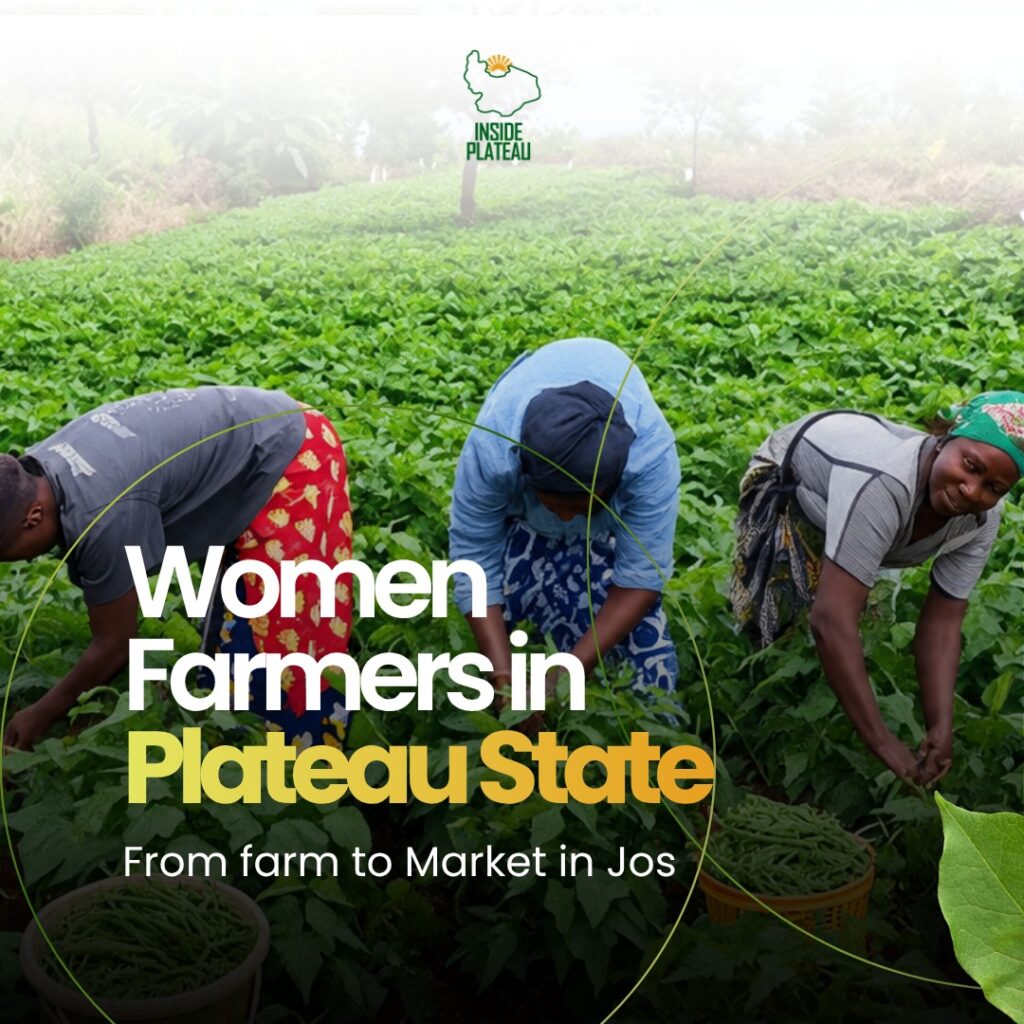
Every day, food moves from rural farms to kitchens and market stalls across Plateau State. Women are behind much of this journey: they plant, harvest, sort, transport, and sell the produce that sustains households and livelihoods. The story of women farmers in Plateau State is not just about agriculture; it is also about the people and markets that keep the state’s food economy moving.
As the International Day of Rural Women falls on October 15 and World Food Day follows on October 16, their contribution deserves more than a passing mention.
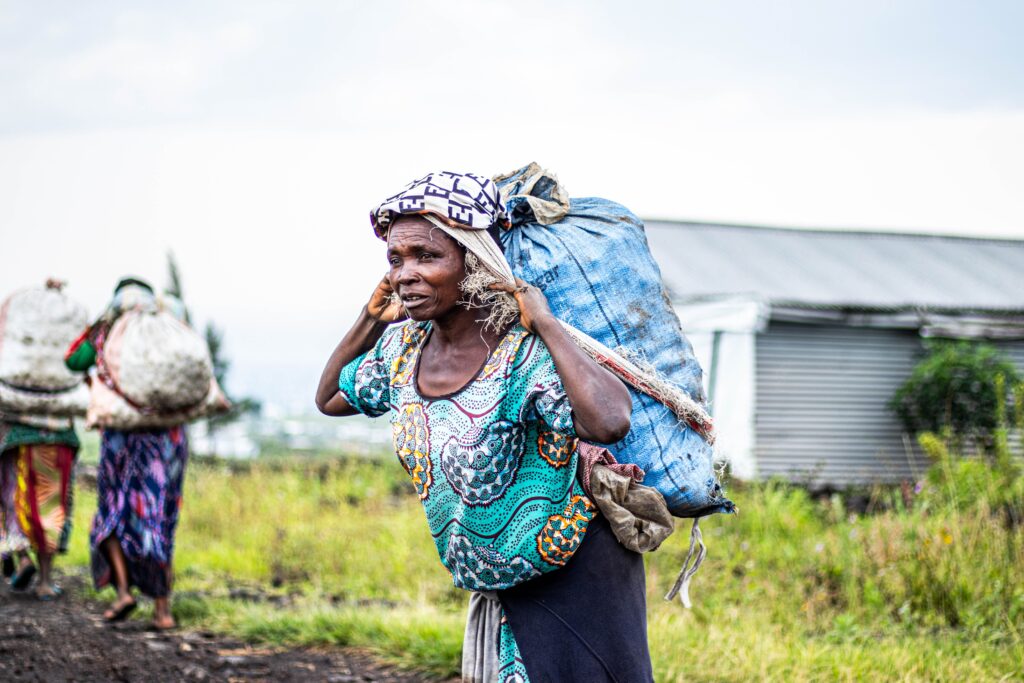
From Farmlands to Markets
Agriculture is woven into Plateau State’s economic life. Its varied landscape and growing conditions support an impressive range of crops, from Plateau potatoes and sweet potatoes to maize, rice, tomatoes, carrots, cabbage and other vegetables.
The work stretches across the state, and this agricultural diversity means that the food sold in Jos can begin its journey in communities many kilometres from the city. Plateau State Government’s investment guide documents the geographical distribution of these crops.
Women contribute to this agricultural network in different ways. Some work directly on family farms, while others cultivate their own plots, participate in livestock production or combine farming with trading. A 2025 study of women broiler farmers in Jos South, for instance, examined the experiences of 120 women involved in poultry production, highlighting how women’s agricultural work extends beyond crop farming.
Their contributions are not identical, and neither are their circumstances. But together, they form an important part of agriculture in Plateau State.
The Market Is Part of the Farm Story
Harvesting is only one stage of getting food to consumers. Produce must also be sorted, transported, displayed and sold, creating another important space for women’s economic participation.
In Jos and other parts of Plateau State, women sell fresh produce and other agricultural goods, while some buy from farmers and redistribute products to consumers. Markets such as Mangu serve as important meeting points for farmers, traders and buyers.
Research by Patience Mamie Kolade, published in 2025, examines women’s experiences in Mangu and Mai Katako markets. It highlights how gender can shape traders’ opportunities and access to market leadership. The findings remind us that women’s presence in markets does not always translate into equal influence or opportunity.
Resilience Should Come with Support
Women farmers in Plateau State work within a wider set of challenges. Access to finance, land, training, storage and reliable routes to market can affect how much women produce and what they earn.
The Jos South broiler production study identified financial constraints, marketing difficulties and training gaps among the myriad challenges facing women farmers. These barriers matter because improving food production requires more than encouraging people to farm. Farmers also need the resources and infrastructure to attain sustainability.
Better access to agricultural extension services, affordable financing, storage facilities, processing opportunities and fair markets could help women retain more value from their labour and reduce losses between harvest and sale.
Recognising the Women Who Feed Us
The International Day of Rural Women recognises women’s role in agricultural and rural development, while World Food Day draws attention to the systems that make food available to people. Their proximity on the calendar is fitting: the future of food cannot be separated from the people who grow, handle and sell it.
For Plateau State, that future includes making farming more productive, reducing post-harvest losses and creating better routes from rural farms to urban consumers. It also means ensuring that women can benefit more fully from the value their work creates.
The next time fresh vegetables arrive at a market in Jos, or potatoes from a farming community find their way into a household meal, there is a bigger story behind the purchase.
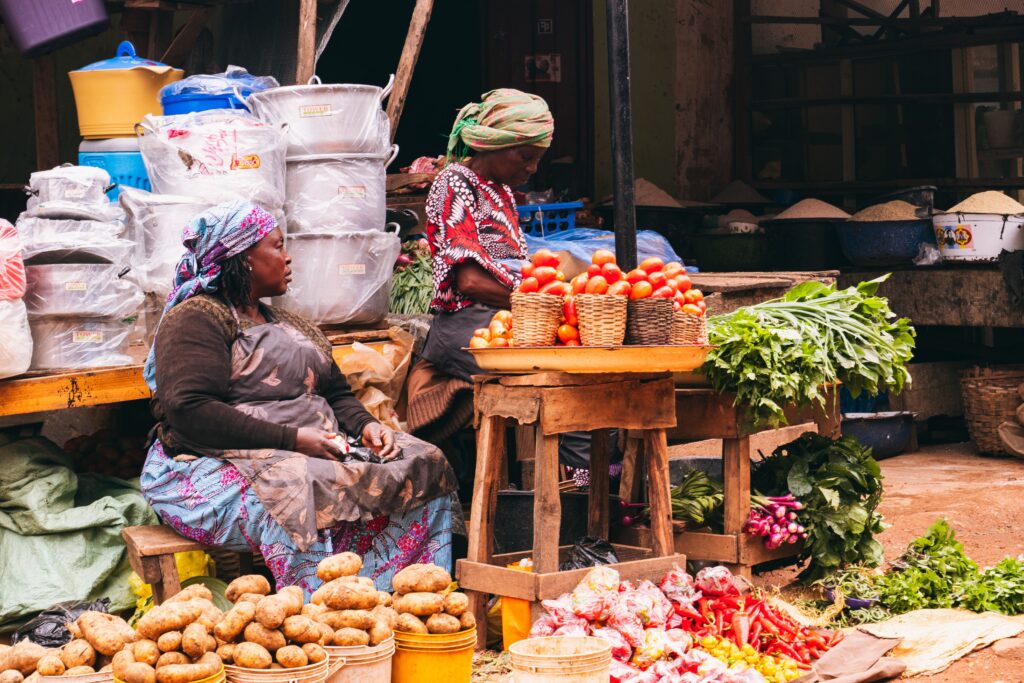
It is a story of land, labour, enterprise and livelihoods — and of women whose contribution to food production in Plateau State deserves to be seen, supported and valued.
From farm to market, their work is not at the margins of the state’s food economy. It is key to its sustainability.