Food security begins long before a meal reaches the dinner table.
It begins with the farmer preparing the soil, choosing the seed for planting, the climate that nourishes the crop and the work that goes into cultivation. But between the harvest and the final meal lies another important part of the food system: what we do with what we grow.
For generations, Plateau State’s distinctive climate and agricultural landscape have supported the cultivation of a wide range of crops from Plateau potatoes and leafy vegetables to strawberries and other high-value produce.
Yet growing good food is only part of the story.
What happens when a harvest exceeds immediate demand? How can farmers preserve their produce for longer? What opportunities emerge when fresh fruit becomes jams, vegetables become shelf-stable products, and locally grown coffee becomes part of a wider hospitality experience?
These questions are central to the conversation around World Food Day 2026 and its theme, “Innovate Today. Nourish Tomorrow.”
Across Plateau’s agricultural landscape, businesses, farmers and development initiatives offer examples of how the journey from farm to consumer can create new opportunities for food preservation, processing and enterprise.
Beyond the Farm: The Potential of Plateau’s Produce
Plateau’s agricultural diversity is a key asset.
The state produces a variety of crops, including Plateau potatoes, maize, vegetables and strawberries. Its farmers also cultivate other high-value produce, creating opportunities to serve consumers looking for fresh, locally grown alternatives.
But some crops are highly perishable, and their value can decline quickly when storage, transportation or access to buyers is inadequate.
When large quantities of produce reach the market at once, farmers may struggle to sell everything before quality deteriorates. The result can be lost income, wasted food and missed opportunities for local businesses.
Improving agricultural productivity is as important as building the systems that help farmers preserve, distribute and add value to what they grow.
The Grocery Lady: Giving Produce Another Life
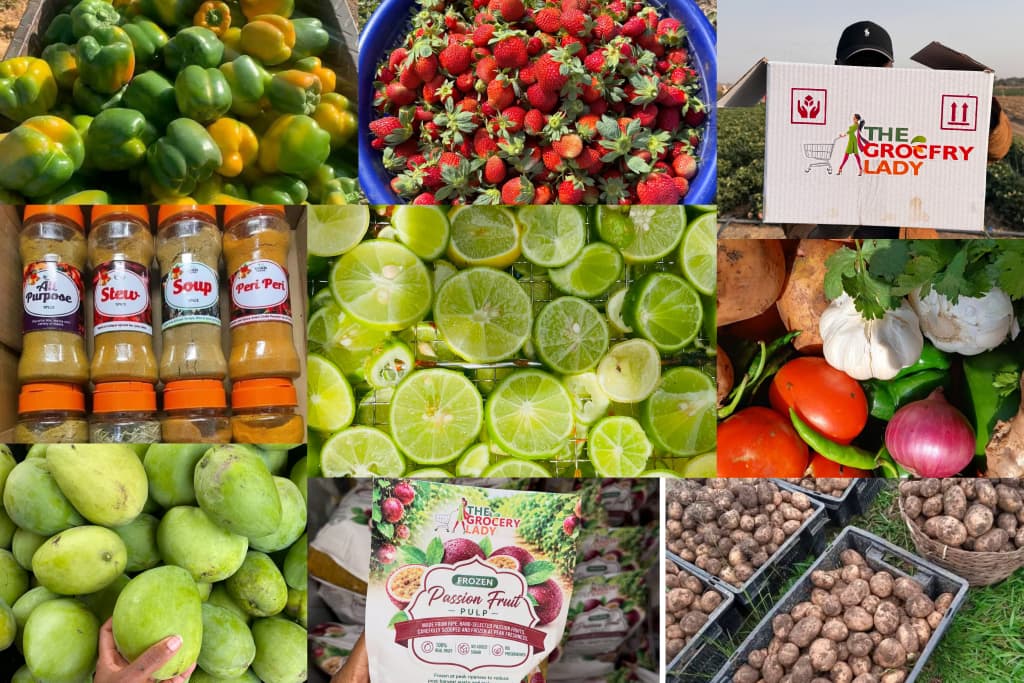
An example of this approach is The Grocery Lady, a business connecting locally sourced produce with consumers through aggregation and processing.
Beyond supplying fresh produce, the business makes jams and marmalade from fruit, creating additional uses for agricultural produce that might otherwise be difficult to sell fresh.
Founder Ajoke Amusat described how the business responded to surplus mangoes by sorting the fruit based on its condition: soft fruits are processed into jams, and firmer fruits are distributed to consumers.
The example illustrates an important principle of food preservation: not every fruit needs to reach the consumer in its original form to retain value.
Processing can create new products, extend the usefulness of seasonal produce and open up different markets. For businesses, it can also create opportunities to develop distinctive local brands around Nigerian-grown ingredients.
The Grocery Lady’s model connects several parts of the agricultural value chain, from sourcing produce to processing and distribution – an example of how a local enterprise can reduce post-harvest losses while creating more ways for consumers to access Nigerian produce.
The opportunity extends beyond mangoes and jams. With appropriate processing methods, quality controls and market access, a wider range of locally grown fruits and vegetables can become ingredients for products that reach consumers beyond the harvest season.
Food Dehydration: Preserving More of the Harvest
Food dehydration offers another way to address the challenges associated with perishable produce.
Odnaworld, a food-processing business operating in Jos, describes an approach that combines the sourcing of fresh produce with dehydration and packaging. The company also describes mobile dehydration technology intended to bring preservation closer to farmers.
By removing moisture under controlled conditions, dehydration can help extend the shelf life of suitable fruits and vegetables, reducing dependence on immediate fresh sales.
This is especially relevant when seasonal harvests create more supply than local markets can absorb at once.
Rather than viewing surplus produce only as a problem, processing creates an opportunity to develop dried ingredients, snacks and other products that can be stored and distributed differently from fresh crops.
However, successful preservation depends on appropriate equipment, hygiene, packaging, quality control and access to buyers. Technology is only part of the solution; the business model surrounding it matters too.
The broader lesson is that food security is not simply about producing more. It is also about making good use of the food already available.
From Potatoes to Products: Building Stronger Value Chains
The same principle applies to staple crops such as Irish potatoes.
In July 2026, the Plateau State Government announced the commissioning of a potato value-chain project in Mangu, including a tissue-culture laboratory, training facilities, processing infrastructure and modern agricultural equipment. The government also described processing facilities in Mangu, Bokkos and Barkin Ladi.
Such initiatives highlight the importance of connecting farming with research, improved planting materials, processing and market access.
Better seed systems can help farmers improve crop quality and productivity. Processing facilities can create opportunities to convert harvested potatoes into products for different markets, while supporting additional activity beyond cultivation.
The potential benefits extend to farmers, processors, traders, transporters and entrepreneurs.
Realising those benefits, however, depends on effective implementation, reliable supply of raw materials, appropriate processing technology and sustainable demand for the finished products.
A stronger agricultural economy requires more than a successful harvest. It requires a functioning chain of activities that aid value sharing across the system.
High-Altitude Coffee: Connecting Agriculture, Enterprise and Tourism
Plateau’s agricultural story also reaches into the coffee industry.
Mai Shayi Coffee’s published impact report describes work with smallholder farmers through training, agricultural inputs, access to finance and routes to market. It also outlines practices such as irrigation, shade-tree cultivation and coffee-pulp composting.
Coffee provides an interesting example because its value extends across multiple stages: cultivation, harvesting, processing, roasting, preparation, retail and hospitality.
Each stage presents opportunities for specialised skills and businesses.
The Coffee Festival International Nigeria, held in Jos in August 2025, brought together participants interested in the coffee sector and its opportunities. The event connected to Plateau’s tourism identity, creating a platform for conversations surrounding coffee production, culture and enterprise.
For a state known as the Home of Peace and Tourism, locally cultivated coffee can become more than an agricultural product. It complements visitor experience through coffee tasting, farm visits, hospitality and locally branded products.
The opportunity is to connect the people growing the crop with the businesses and experiences that introduce it to consumers.
Innovation Requires More Than Technology
A lesson emerges across these examples: agricultural innovation is not limited to introducing new equipment or developing new products.
It also involves strengthening connections between farmers, researchers, processors, businesses and consumers.
Research partnerships can support better farming practices and seed systems. Storage and processing can help preserve produce. Reliable transportation can connect farmers with distant markets, while business development can help locally made products reach customers.
These connections matter because a promising idea must work in practice. Farmers need dependable markets. Processors need consistent supplies and suitable equipment. Businesses need customers, distribution and quality standards. Consumers need access to safe, nutritious and affordable food.
Progress depends on how effectively these parts of the food system work together.
What We Build From What We Grow
World Food Day is an opportunity to recognise the farmers, processors, researchers, traders and entrepreneurs who help nourish our communities.
It is also an opportunity to look beyond the harvest and consider the possibilities that emerge when agricultural production connects to preservation, processing, research, enterprise and tourism.
From local fruits transformed into jams to produce preserved through dehydration, from potato value-chain development to coffee connecting farms with hospitality, Plateau has examples worth examining and opportunities worth developing further.
The next step is to ensure these efforts deliver lasting benefits: less waste, stronger livelihoods, viable local businesses and better market access.
The measure of a rich agricultural land is not just what its soil can grow. It is what its people can build from the harvest.
Happy World Food Day from Inside Plateau.
Editorial note: This feature draws on publicly available company information and reporting on agricultural initiatives in Plateau State. Project implementation, current operating status and impact figures should be independently confirmed before publication.
Sources and Further Reading:
– “Food and Agriculture Organization of the United Nations (FAO) — World Food Day 2026” (https://www.fao.org/world-food-day/en)
– “The Grocery Lady — Official Website” (https://thegrocerylady.ng/)
– “Ajoke Amusat — The story behind The Grocery Lady’s locally made jams” (https://www.linkedin.com/posts/ajoke-amusat-b6422b156_thegrocerylady-sustainability-innovation-activity-7411711946581987328-91Cd)
– “Odnaworld — Food Processing Facility” (https://odnaworld.com/processing-facility/)
– “Plateau State Government — Potato Value Chain Project” (https://www.plateaustate.gov.ng/news/6a527afff38afca39b3d7b38/)
– “Mai Shayi Coffee — Impact Report” (https://maishayicoffee.com/pages/impact-report)
– “Raw Materials Research and Development Council — Coffee Festival International Nigeria” (https://360.rmrdc.gov.ng/rmrdc-champions-coffee-industry-revival-at-first-ever-coffee-festival-in-nigeria/)
– “International Institute of Tropical Agriculture (IITA) — Plateau State Partnership” (https://iita.org/news-item/iita-and-plateau-state-government-sign-mou-to-boost-agricultural-productivity-and-job-creation/)