
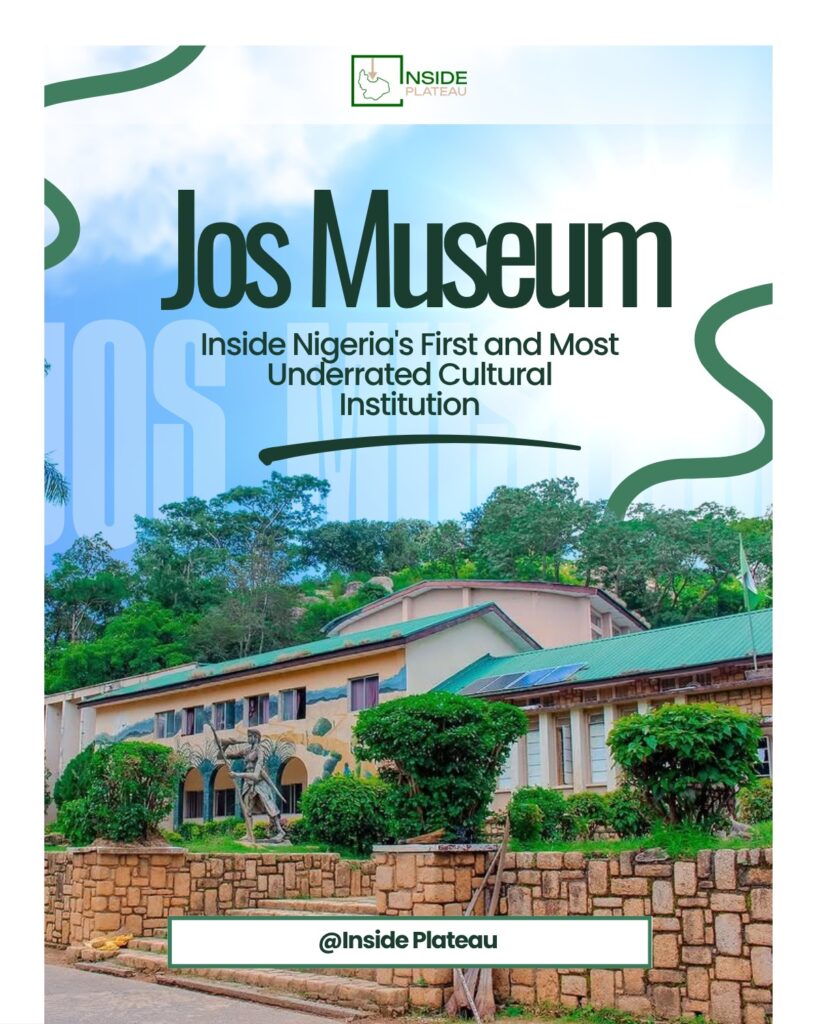
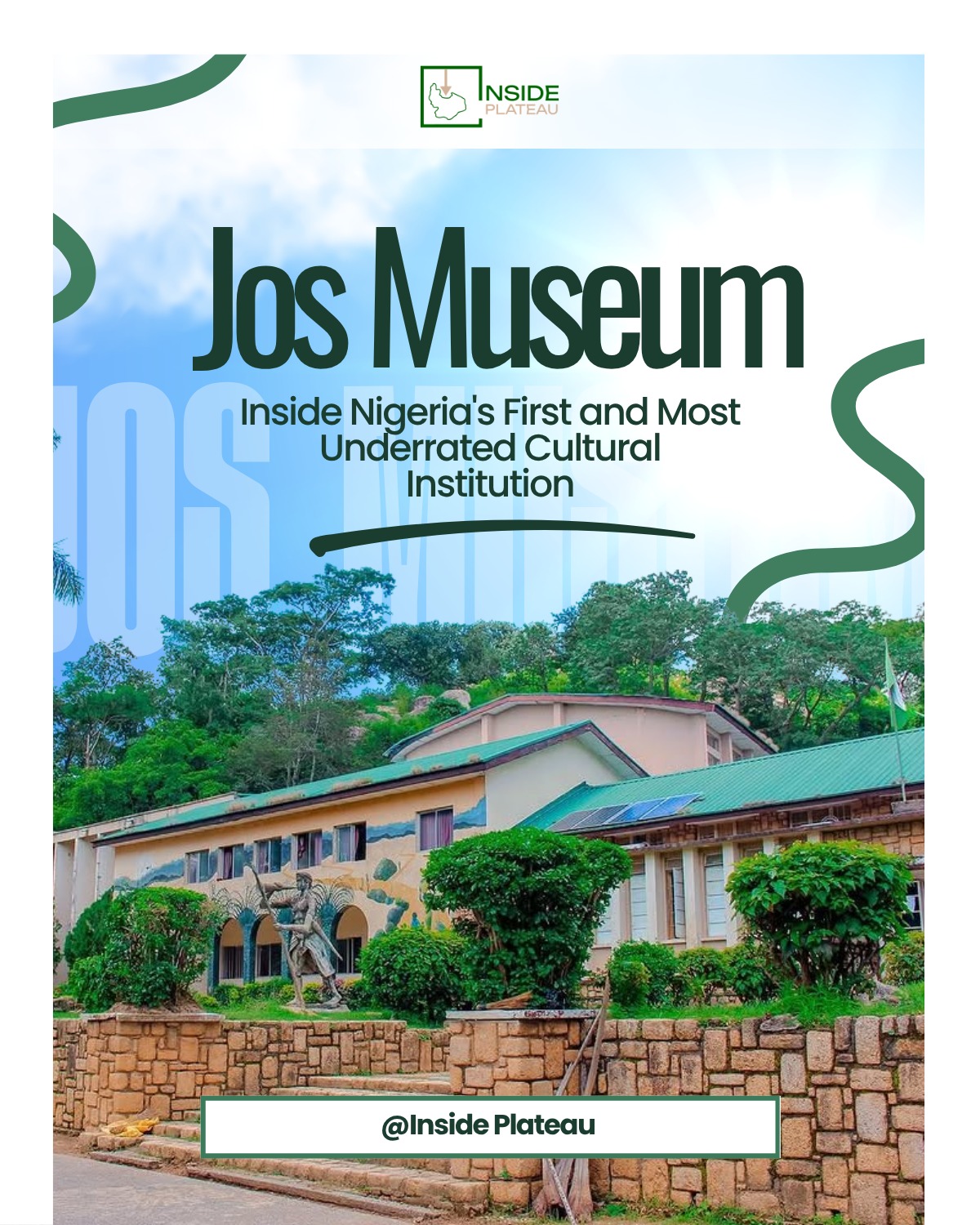
A carved wooden stool sits quietly behind glass. Nearby, a small clay head with almond-shaped eyes stares out at nothing in particular, calm, ancient, and completely unaware of how famous it has become around the world. This is the Jos Museum, and most people who drive past its gates every day have no idea what is sitting quietly inside.
Also Read: The Creative Soul of Jos: How Art and Culture Shapes Lives
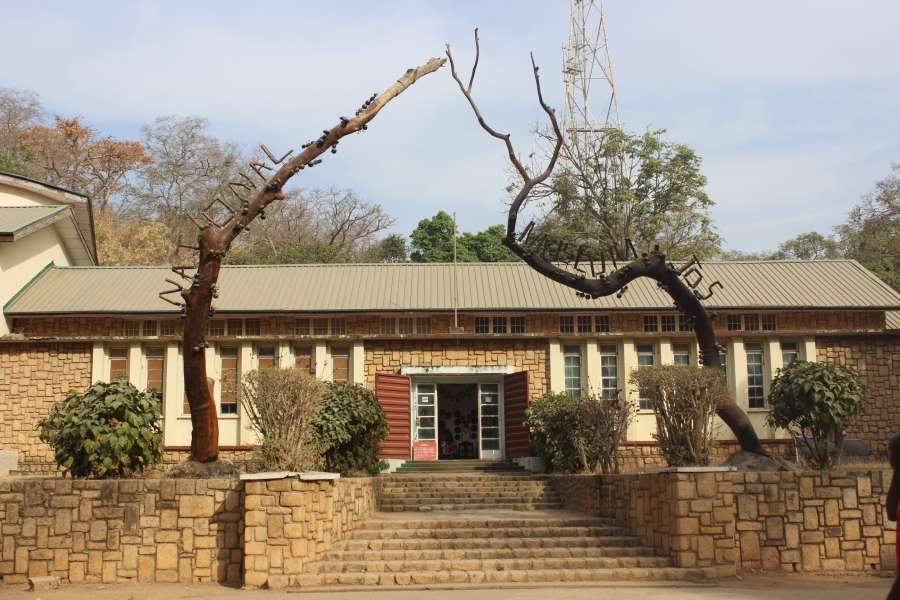
I remember my own first visit clearly. Walking through, I felt transported back in time. Seeing artifacts I had only ever read about suddenly standing in front of me made history feel real in a way no textbook ever had. That feeling, more than any single fact, is what this article is really about.
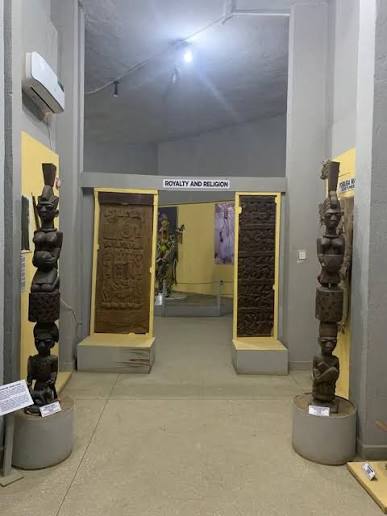
The Jos Museum
Why It Exists
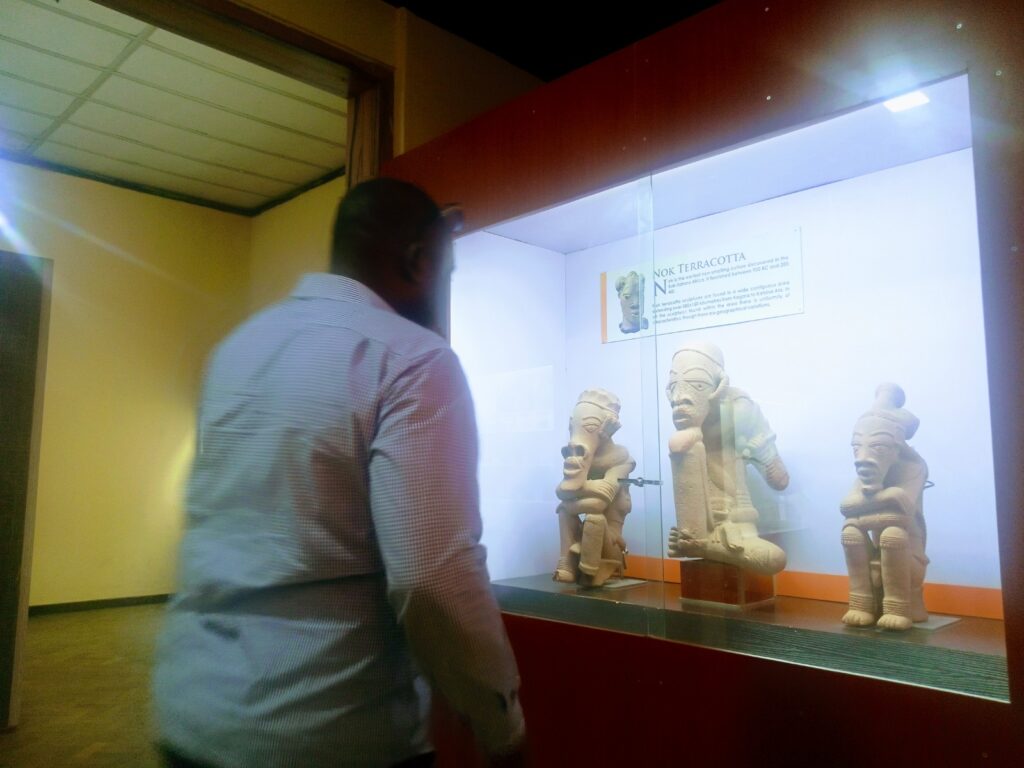
The Jos Museum does not exist by chance, The story of its origin began In the 1940s. Then, tin mining across the Jos Plateau kept turning up strange clay figures buried in the earth, small heads and bodies, clearly ancient, clearly made by human hands. British archaeologist Bernard Fagg recognised what they were: remnants of the Nok culture, a civilisation that had thrived in this exact region over two thousand years before anyone thought to look for it.
Fagg understood that something this important needed a permanent home. Plans began in 1944, funding was approved in 1949, and the Jos Museum officially opened its doors on April 26, 1952. It became the first public museum in West Africa, built specifically to protect the Nok terracotta figures being pulled out of the same ground that colonial mining had disturbed, giving Nok terracotta its first real home anywhere in the world.
Also Read: Tin, Craters, and the Colonial Ghosts: How the British Mining Boom Shaping the Soul of Jos
What’s Actually Inside
Beyound the entrance, the Jos Museum reveals far more than most visitors expect. The star of the collection remains its Nok terracotta figures, among the oldest known sculptural art anywhere in sub-Saharan Africa, dating back roughly 2,500 years. Standing in front of one, it is easy to forget you are looking at something older than most modern nations, and easy to see why the Nok terracotta collection alone draws researchers from around the world.
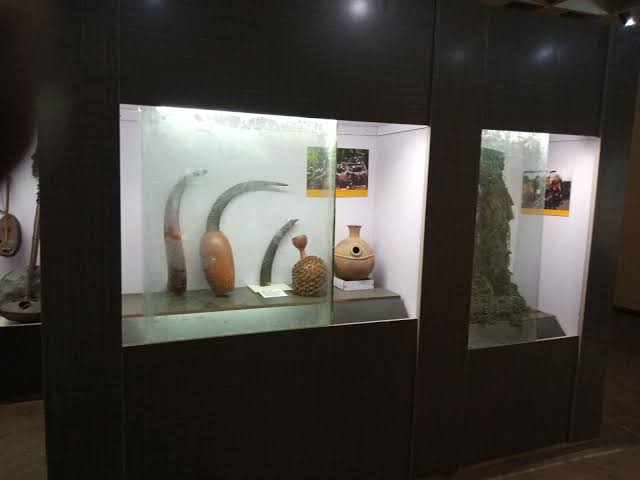
Beyond the Nok terracotta, the museum holds an impressive Pottery Hall filled with clay work gathered from across Nigeria, a library containing centuries-old manuscripts, and the Museum of Traditional Nigerian Architecture, life-sized replicas of building styles from different Nigerian ethnic groups, built so visitors can actually walk through architecture that has mostly disappeared elsewhere. There is also a small zoo and botanical garden on the grounds, along with the popular “100 Steps,” a nearby attraction many visitors pair with their museum trip for a full day out. The Jos Museum, in other words, is not one exhibit. It is a small, walkable world of Nigerian history, culture, and craft, built long before most Nigerians alive today were born.
Underrated, and Everyone Seems to Know It
Here is the uncomfortable truth. Many Plateau residents assume the Jos Museum is just an old building full of unimportant relics. In reality, it is one of the chief custodians of the culture and history that make Plateau, and Nigeria, worth remembering.
The numbers back up the neglect. Nigerian museums nationally struggle to draw meaningful visitor numbers. Many recording only a few thousand visits a month, while other forms of entertainment pull in far larger crowds. Funding tells a similar story. Public support for institutions like the Jos Museum has remained thin for years, leaving ageing buildings, worn display cases, and under-resourced staff to protect a collection that deserves far better. One archaeology professor, by his own account, avoided visiting for years because seeing the condition of the place brought him to tears.
None of this happened because the Jos Museum stopped mattering. It happened because too many of us stopped paying attention. As one online post puts it plainly: we protect our phones better than we protect our history.
Why It Still Matters
The Jos Museum is not simply old. It is proof. Proof that ancient Nigerian civilisations built real art, real culture, and real innovation long before colonial rule ever arrived. Proof that Plateau’s story stretches back thousands of years, not just decades. Without the Jos Museum, that proof would exist only in books and secondhand retellings. With it, anyone can walk in and stand face to face with the evidence itself.
That matters more than most young Nigerians realise. Too many people spend their days chasing careers, trends, and distractions. They forget that their own history is one of the richest things they own. The smartest people, in every generation, are usually the ones who take time to actually know where they come from. The Jos Museum makes that possible in a way nothing else in Plateau quite does.
What Would Bring It Back to Life
None of this decline is permanent. A few practical steps could genuinely transform the Jos Museum’s fortunes. Schools could bring students on regular excursions and field trips. This will turn history lessons into something children can touch rather than only read. The Ministry of Tourism could prioritize the museum properly.
It can also fund basic repairs, clear signage, and simple visitor information so tourists know what to expect before they arrive. Even modest investment, better lighting, a working website, a small welcome desk, could shift the Jos Museum’s image. It can shift from a forgotten old building into a proud, living landmark. None of these fixes are complicated or expensive by government standards. They simply require someone deciding that the Jos Museum is worth the effort.
One Last Walk Through
Picture that same clay head behind glass, almond eyes fixed somewhere far away, sitting exactly where it has sat for decades. Somewhere outside, cars pass the museum’s gate without slowing down, most drivers unaware of what waits quietly behind it. But every so often, someone walks in. A student on a school trip. A curious visitor. Someone like you, once, feeling history come alive for the first time. That is the real story of the Jos Museum. Not a forgotten building, but a patient one. A building still holding Plateau’s proudest evidence, still waiting for the rest of us to notice.
Also Visit: https://soluap.com/national-museum-jos/