Plateau State has long been known as the Home of Peace and Tourism—a phrase that appears on signs, promotional materials, and in how the state introduces itself to visitors. But what does it actually mean to call a place the home of peace and tourism?
At first, the two words can seem to describe completely different things. Tourism brings to mind mountains, waterfalls, festivals, food and beautiful places to visit. Peace sounds quieter: coexistence, community and the ability to live alongside people who may not look, worship or speak like you. On the Plateau, however, the two have always been more connected than they appear.
A Name Shaped by Places and People
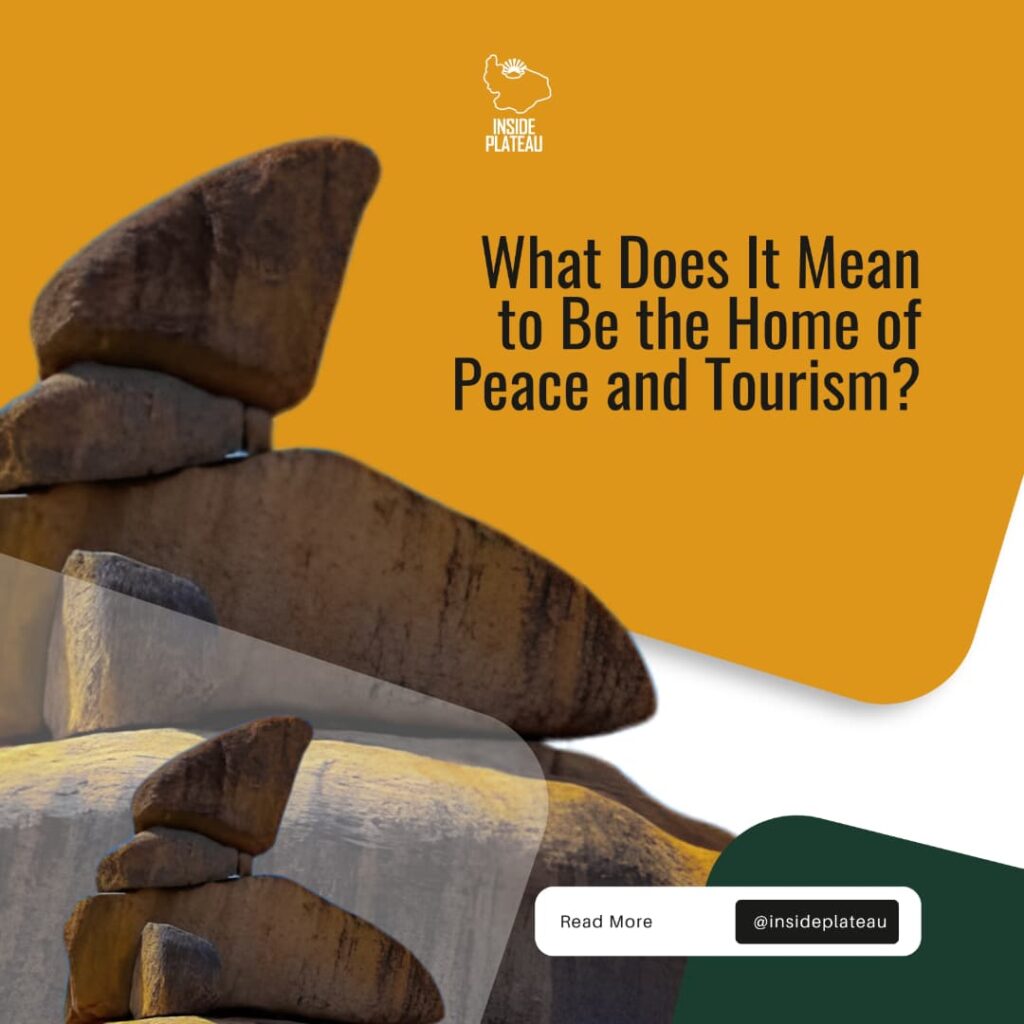
Tourism became part of Plateau’s identity for many reasons. The Jos Plateau’s high elevation gives the region its famously cool climate, while hills, rock formations, waterfalls and other natural features mark its landscape. Across the state, places such as Shere Hills, Wase Rock, Riyom Rock, Assop Falls, Kurra Falls and Jos Wildlife Park have become part of the Plateau tourism experience.

But the story goes beyond scenery.
Jos itself grew into a remarkably diverse city through the development of the tin-mining industry in the early twentieth century. The mining economy attracted people from different parts of Nigeria and beyond, helping turn Jos into a multicultural and multi-ethnic urban centre. Communities including Hausa, Fulani, Yoruba, Igbo, Tiv and Idoma settled alongside the indigenous communities of the Plateau, contributing to the character of the city we know today.
That history is part of what makes the word peace significant.
Plateau’s reputation for hospitality and its welcoming character became closely associated with its tourism identity, eventually giving rise to the familiar description: Home of Peace and Tourism.
Peace Is More Than the Absence of Conflict
Calling Plateau the Home of Peace does not mean pretending the state has never experienced conflict. Its history, particularly in Jos and surrounding communities, includes periods of serious ethno-religious tension. But perhaps that makes the idea of peace more meaningful, not less.
Plateau is home to more than 40 ethno-linguistic groups, including Berom, Afizere, Anaguta, Tarok, Goemai, Mwaghavul, and Ngas, among others. Christianity and Islam are both part of the state’s religious landscape, alongside traditional cultural and spiritual practices. That diversity is part of what makes Plateau what it is.
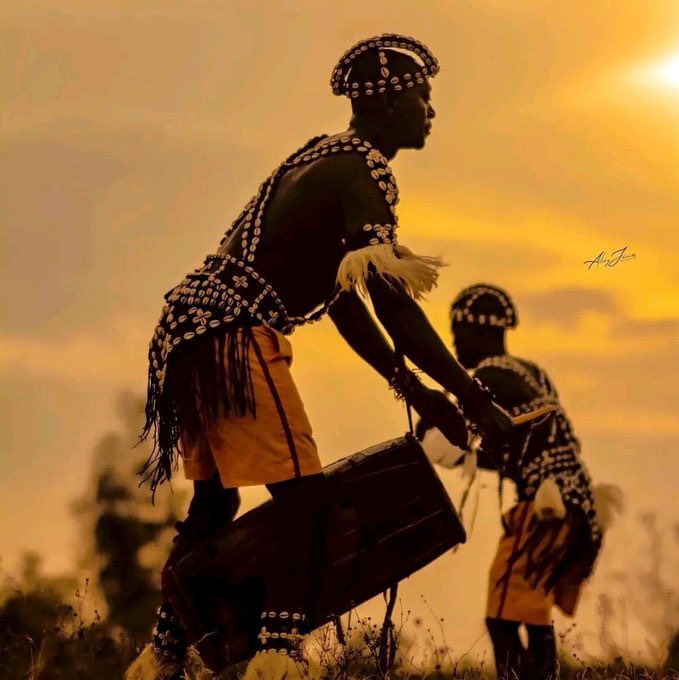
Peace, then, is not simply about not disagreeing. It is about what happens when different people continue to share a home; when cultures survive, festivals continue, businesses open, families gather, and communities keep finding reasons to connect.
This idea feels especially timely around the International Day of Peace, observed every September 21. In 2026, the United Nations theme is “Invest in Peace—For Everyone, Everywhere, Every Day,” a reminder that peace exists not only in the absence of conflict. It is built through everyday choices, relationships and cooperation.
Tourism Is the Other Half of the Story
If peace speaks to how people share the Plateau, tourism speaks to what they have to share with the world.
The obvious beauty includes cool Jos weather, dramatic rock formations, waterfalls, and highland scenery. But tourism in Plateau State also lies in its people and culture—in traditional festivals, local food, art, architecture, music, crafts, and stories passed down through generations.
The National Museum in Jos preserves important archaeological and cultural collections, while the state’s natural landscapes offer opportunities for sightseeing, hiking, wildlife experiences and outdoor exploration.

This is why Plateau tourism cannot be reduced to a list of attractions. Visitors do not simply come to see a rock or waterfall. They encounter a place shaped by many communities, histories and traditions.
The experience can be as simple as eating a local dish, discovering a new artist, attending a cultural festival, walking through an old part of the city or spending a quiet afternoon taking in the landscape. These moments are tourism too.
As Plateau’s tourism ecosystem continues to grow, there is an opportunity to tell a fuller story about the state—one that goes beyond its most photographed attractions and introduces visitors to the people, creativity, and culture behind them.
So, What Does ‘Home of Peace and Tourism’ Mean Today?
Perhaps being the Home of Peace and Tourism is less about claiming perfection and more about claiming identity.
It is about a state whose history has brought many people together, whose landscape continues to draw people in, and whose communities have continued to create, celebrate and rebuild through changing times.
Challenges have tested that identity. But they have not erased what makes Plateau distinctive. The festivals still happen, the hills are still there, and people still create, trade, host, farm, celebrate and tell their stories. Visitors still come looking for the cool weather, beautiful scenery and unmistakable character of Jos and the wider state.
And perhaps that is the more interesting meaning of the name.
Peace makes tourism possible, while tourism gives people something to share. One speaks to how Plateau’s people live with one another; the other speaks to what they invite the world to experience.
Between International Day of Peace and World Tourism Day, Plateau’s familiar nickname becomes more than a slogan. It becomes a question worth asking—and a responsibility worth carrying.
What does it mean to be the Home of Peace and Tourism? It means there is still a story here worth telling.