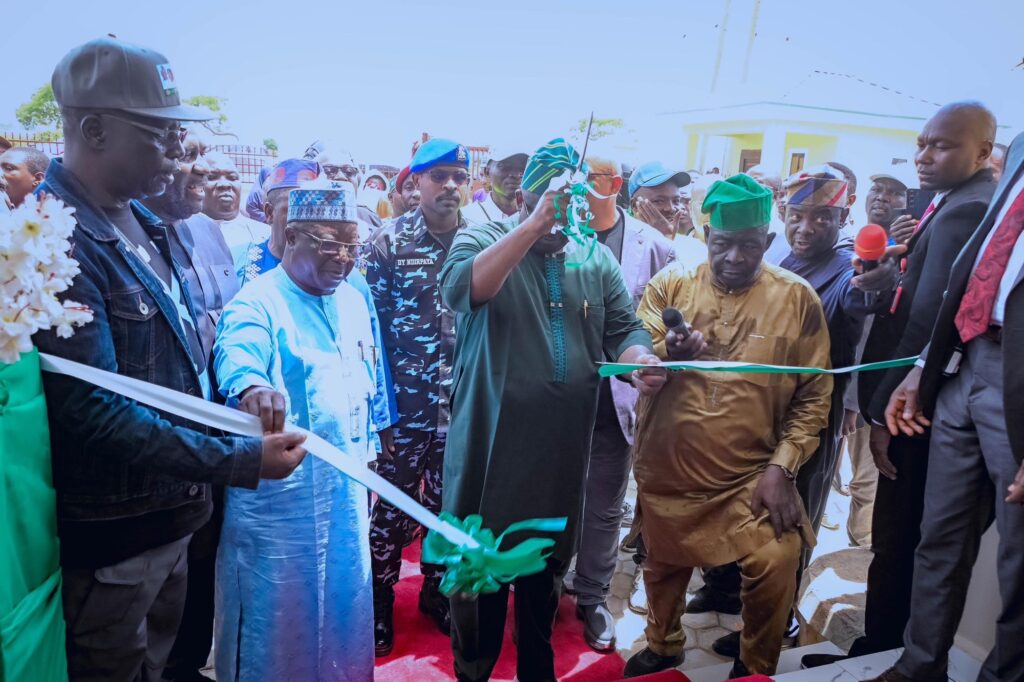
The Governor of Plateau State, Caleb Mutfwang commissioned the potato value chain project to drive agricultural industrialisation in Plateau state. The Chairman of Mangu Local Government Council, Emmanuel Mwolpun said the project is a turning point for farmers, noting that over 80 percent of the people of Plateau depend on agriculture for their livelihood. He expressed confidence that access to quality seedlings and mechanised farming would significantly increase productivity, reduce poverty and strengthen Plateau’s position as Nigeria’s leading potato-producing state.
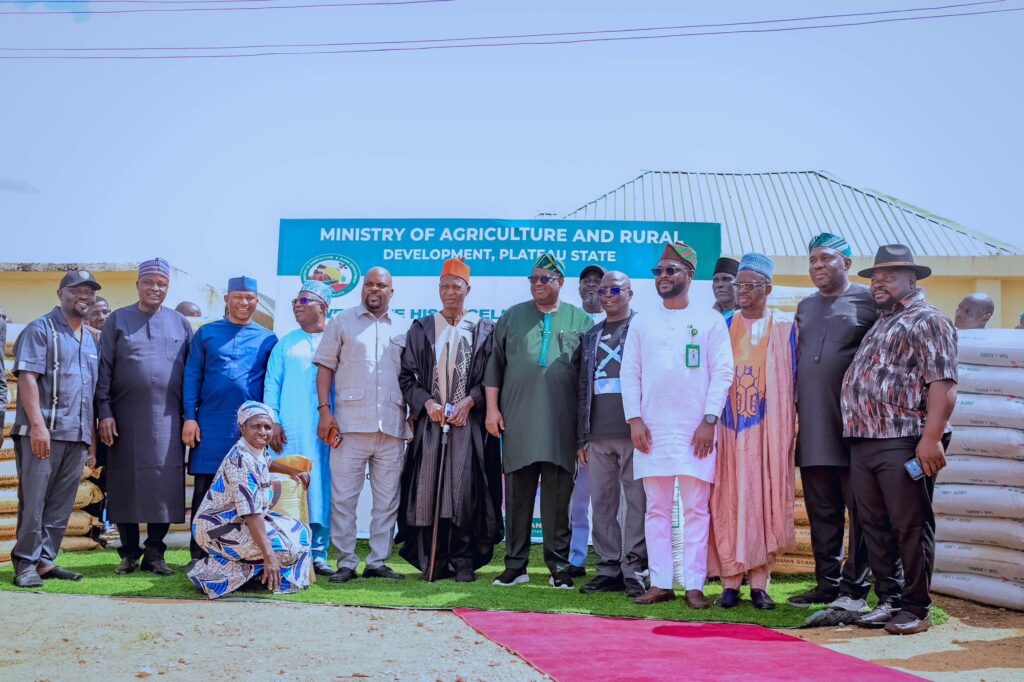
Project Director of Transparent Engineering Construction Nigeria Limited, Engineer Adegoke Olowale, commended the Governor for insisting on quality and timely delivery. He noted that beyond providing critical agricultural infrastructure, the project had generated direct and indirect employment for skilled and unskilled youths from the host community during construction.
Also speaking, Mr. Steve Bawa of Fruits and Veggies Limited disclosed that the project has already impacted about 3,000 farmers through the training of 100 licensed community seed producers. He revealed that 10 containers of quality potato seed had already been imported and planted on about 90 hectares, describing the initiative as one of the most significant potato seed multiplication programmes in West Africa. According to him, the Tissue Culture Laboratory will ensure a continuous supply of disease-free planting materials capable of sustaining increased production for years to come.
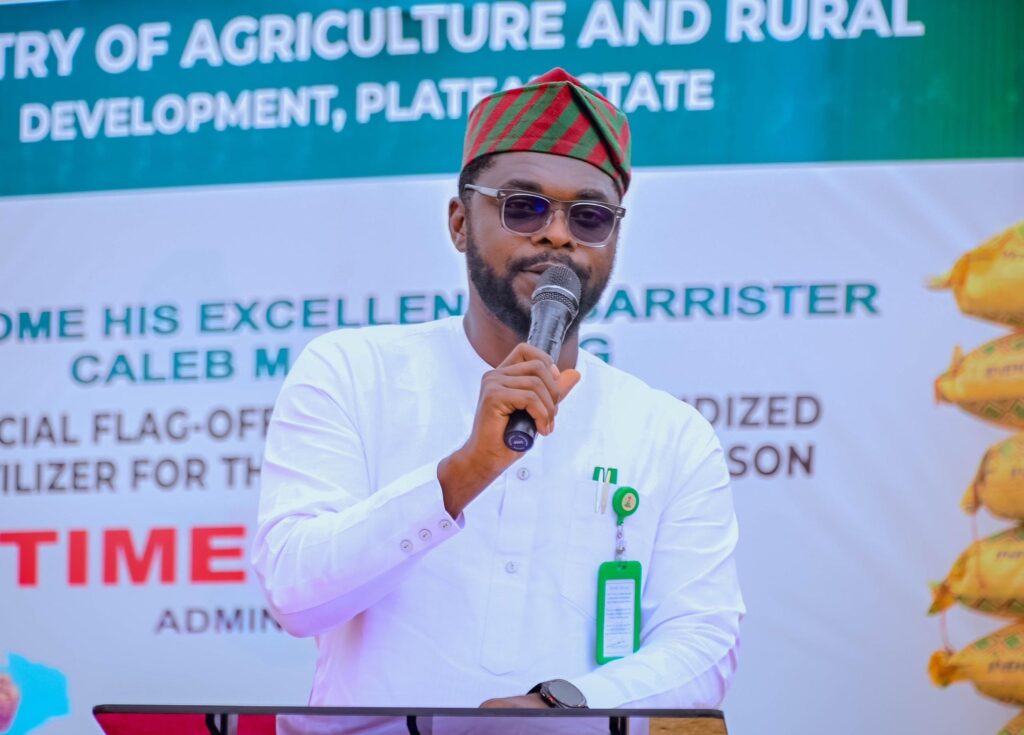
Earlier, the Project Coordinator of the Plateau State Potato Value Chain Support Project, Chief Jerry Gushop, commended Governor Caleb Mutfwang for reviving a project that had struggled to achieve its objectives since its inception in 2017, noting that the administration’s intervention transformed it into one of the state’s most impactful agricultural initiatives.
Chief Gushop also said that after assuming office as Project Coordinator in June 2025, the implementation team delivered within one year what had not been achieved in the previous eight years.
He further highlighted the major achievements of the project to include the establishment of the modern Tissue Culture Laboratory for the production of disease-free potato seeds, the construction of 118.4 kilometres of rural roads and culverts, the development of nine community markets and nine diffuse light storage facilities, the provision of 17 spring capture systems and 22 water harvesting structures to support year-round farming, as well as the establishment of three potato processing plants in Mangu, Bokkos and Barkin-Ladi.
The Project Coordinator further disclosed that the programme empowered farmers through the distribution of 1,000 water pumps, 1,200 bags of quality seed, 270 tonnes of improved seed varieties, herbicides, fungicides and insecticides, while hundreds of farmers and other value chain actors received training in seed multiplication, modern production techniques, processing, packaging and agribusiness management.
According to him, the project has gone beyond infrastructure to transforming livelihoods across farming communities.
“These are not just numbers; they have changed lives. They are mothers who now earn more, youths who now see farming as a business, and communities that now believe government can work for them.”
He expressed confidence that the impact would continue to be felt through increased farm productivity, improved household incomes, expanded agro-processing and the sustained growth of Plateau State’s potato economy.