
If I asked you where Nigeria’s food strength lies, you might say it’s the oil-rich South or the large-scale farms of the North. But I’d shake my head and tell you something simple: the real treasure is growing quietly on the Plateau. The high altitude, the cool weather, the volcanic soil, the steady sunlight all combine to produce some of the most impressive Plateau nutrient-rich plants in Nigeria. And honestly, in some cases, globally competitive crops.
Let’s talk about them.
Why Plateau’s Climate Produces Exceptional Nutrient-Rich Plants


Plateau State sits at over 1,200 meters above sea level. That altitude is the game changer. Cooler temperatures slightly slow down plant’s growth, which actually allows crops to develop stronger flavours and nutrient profiles. Think about it like slow-cooked food versus fast food — time matters.
The volcanic soil across areas like Bokkos, Mangu, Barkin Ladi, and Riyom is mineral-rich. Calcium, potassium, magnesium — these aren’t abstract lab words. They translate into stronger stems, deeper colors, and vegetables that don’t just look good in photos but actually nourish the body.
This is why Plateau nutrient rich plants consistently stand out in markets across the country. The environment works with the farmer, not against him.
And that’s a serious investment story many people are sleeping on.
Also Read: Plateau potatoes: A Taste of Home, Pride, and Prosperity Plateau Potatoes: A Taste of Home, Pride, and Prosperity
Tomatoes: The Red Gold of Plateau
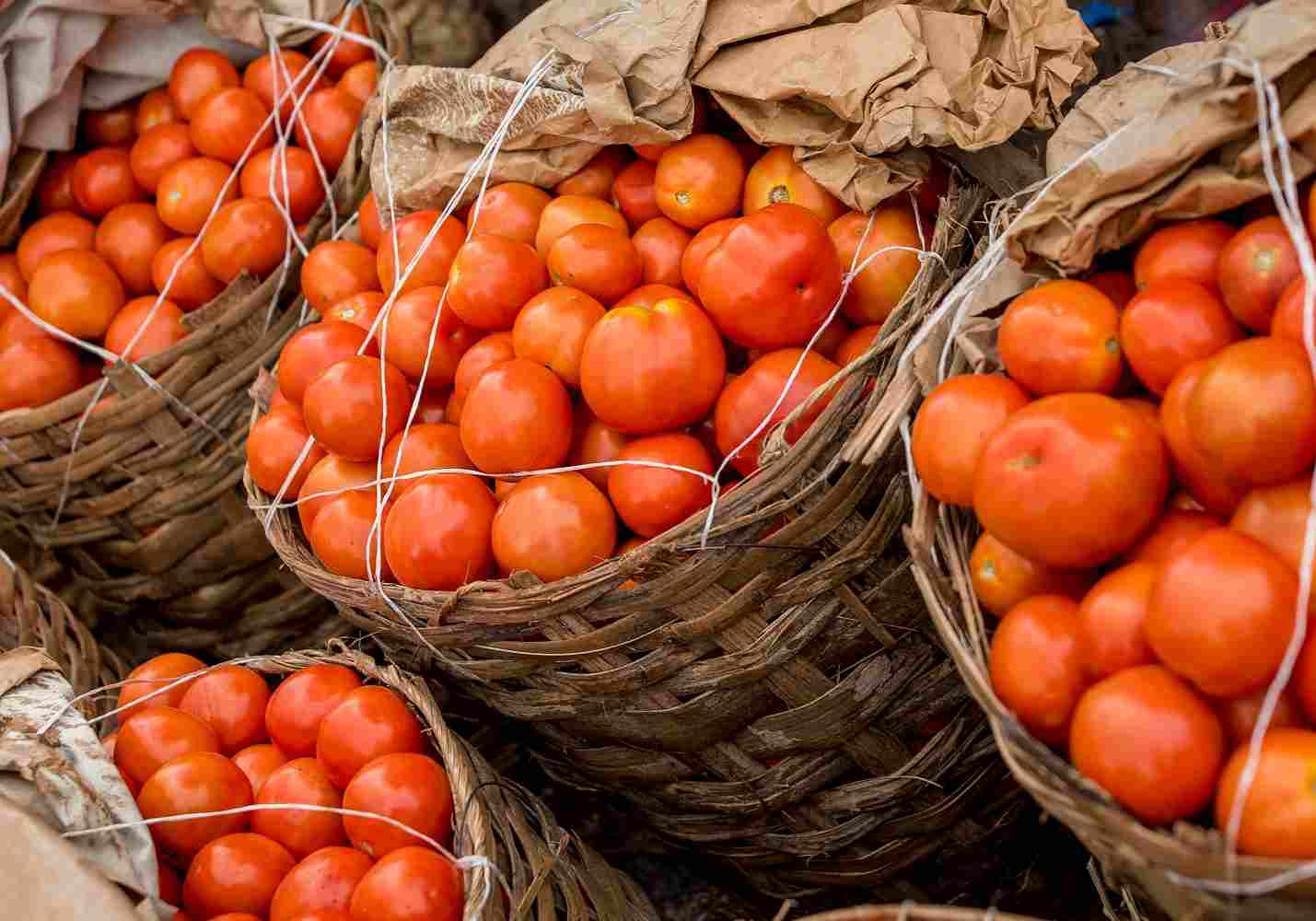


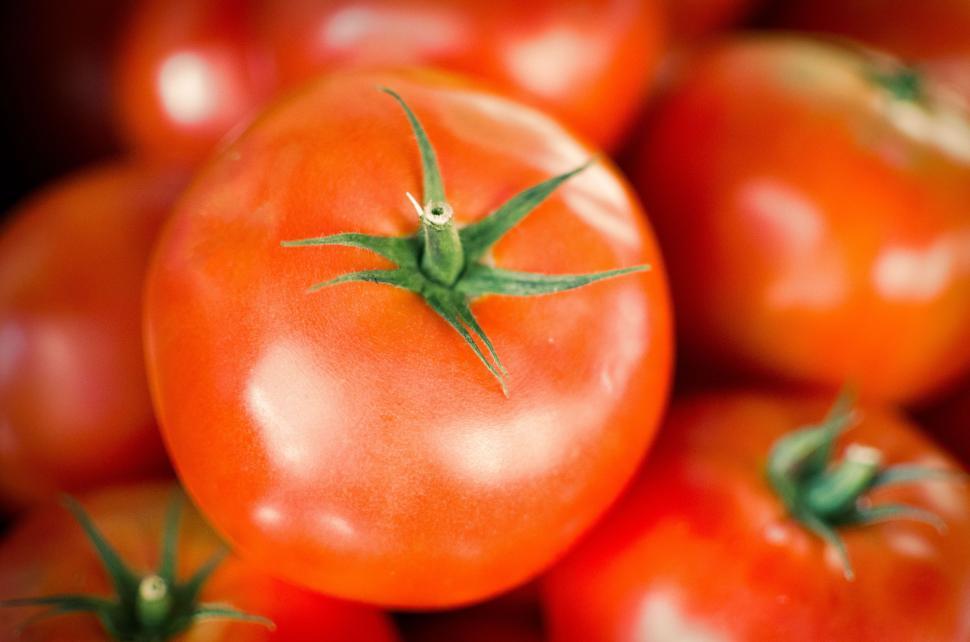
Let’s start with tomatoes.
Plateau tomatoes are thick-skinned, deeply red, and less watery than many varieties grown in hotter regions. That firmness? It means longer shelf life and better transport resilience. Investors love that. Retailers love that. And home cooks? They love the rich taste.
Nutritionally, tomatoes are loaded with:
- Lycopene (a powerful antioxidant linked to heart health)
- Vitamin C
- Potassium
- Folate
When you cook Plateau tomatoes into stew, you’re not just making dinner. You’re tapping into one of the most commercially viable Plateau nutrient rich plants driving food supply across Nigeria.
Carrots, Cabbage, and Lettuce: The Cool-Weather Champions
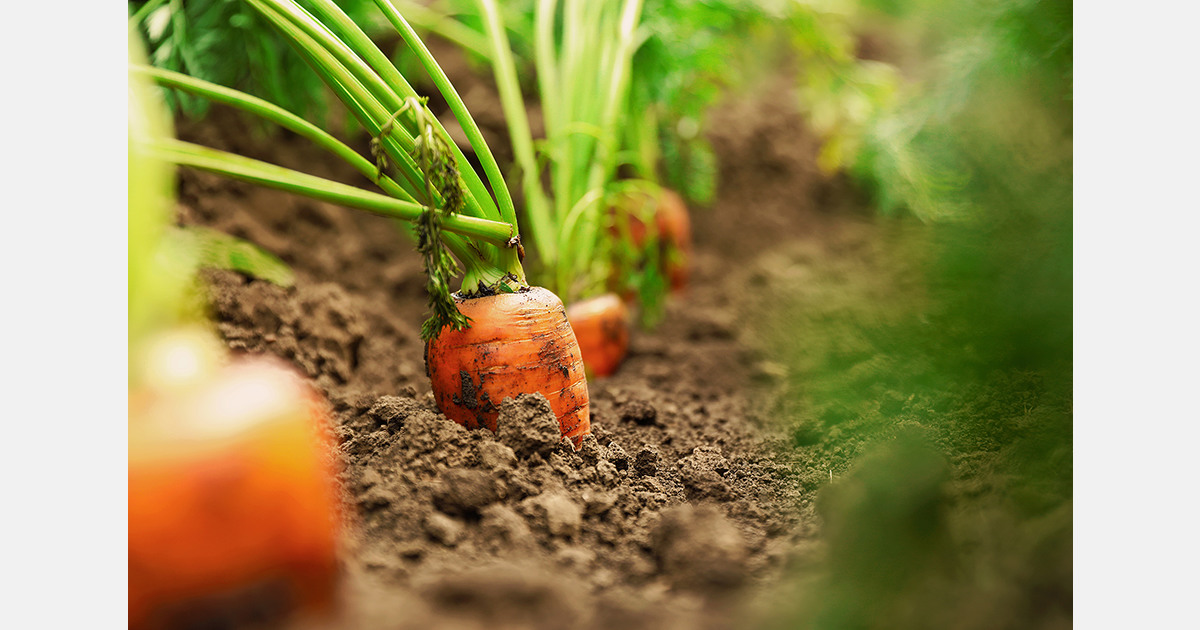
Plateau carrots are naturally sweeter. The cool nights help them convert starch to sugar slowly. That’s why they taste better raw.
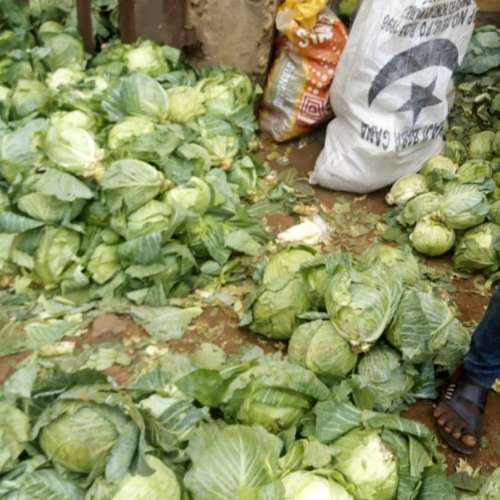
Carrots bring beta-carotene (which your body converts to Vitamin A), fiber, and antioxidants to the table. And cabbage? It’s one of those humble vegetables people underestimate. But cabbage is rich in Vitamin K, Vitamin C, and compounds that support gut health.
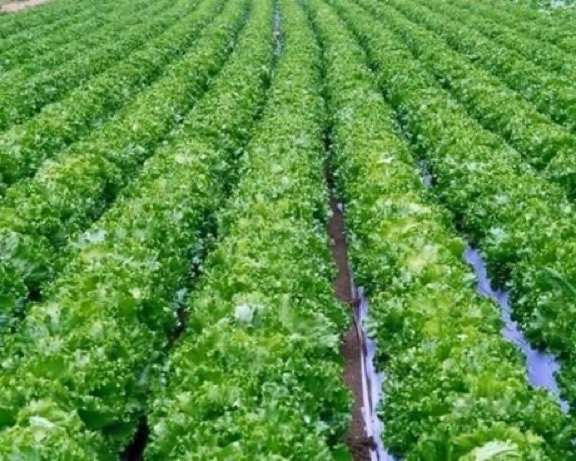
Lettuce thrives in Plateau’s mild climate too. Unlike lettuce grown in extreme heat, Plateau varieties don’t wilt quickly. They maintain structure and nutrient density.
Together, these vegetables represent the everyday backbone of Plateau nutrient rich plants — affordable, accessible, and powerful.
And here’s the thing. When hotels in Abuja and Lagos serve fresh salads, many of those greens started life in Plateau soil.
Acha (Fonio): The Ancient Supergrain Making a Comeback
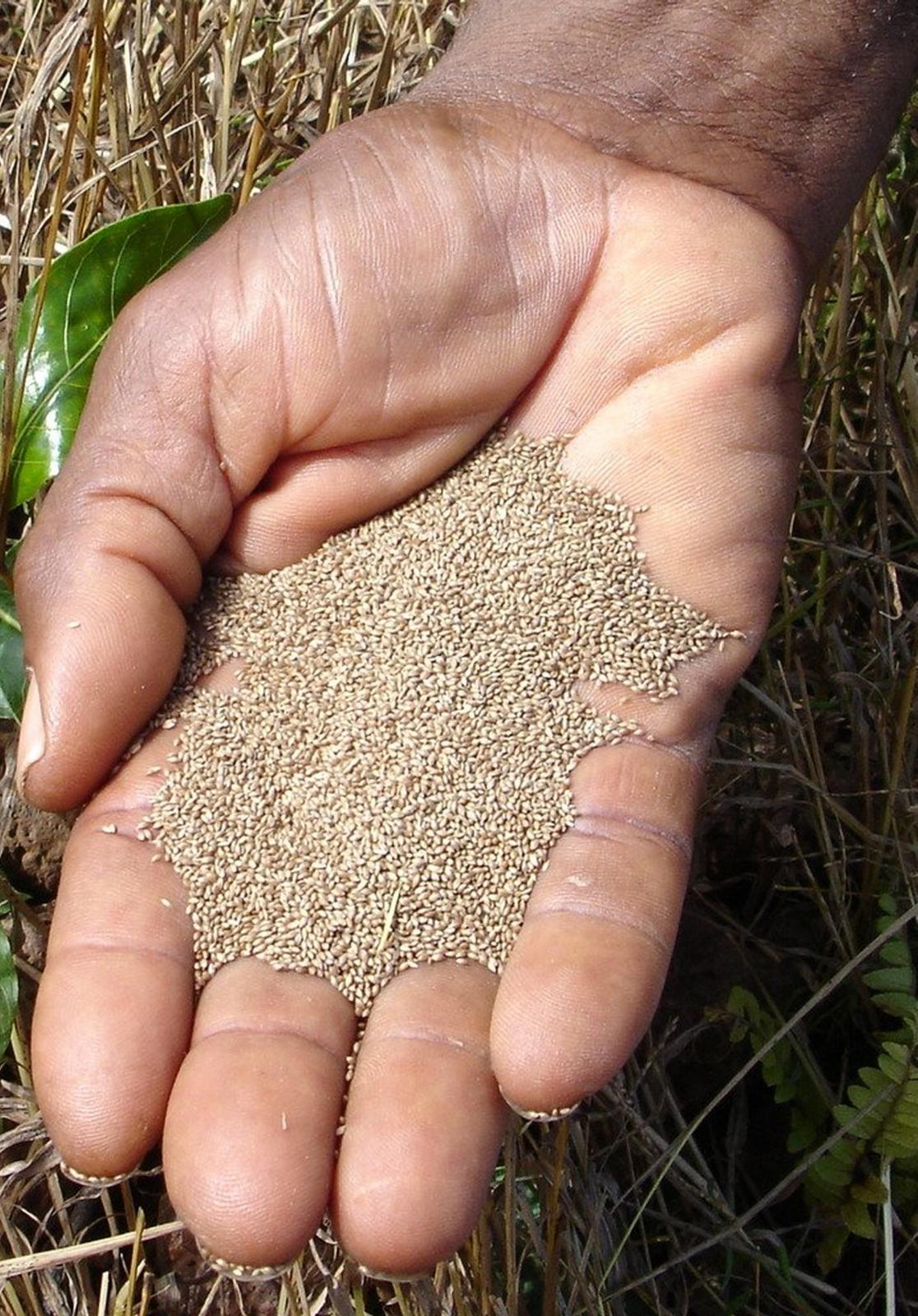
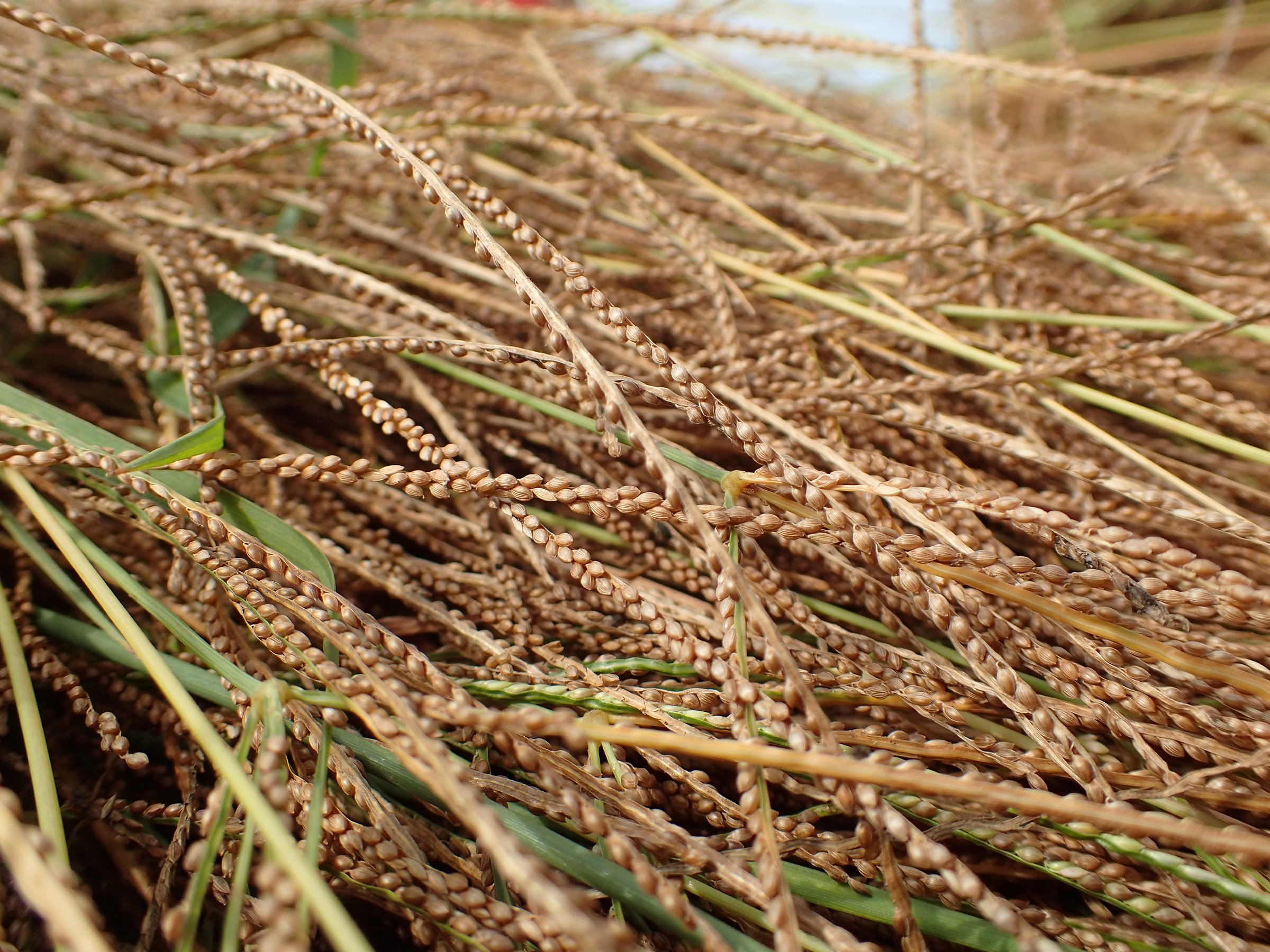


Now let’s talk about something older than most of our modern farming systems: Acha, also known as fonio.
Acha grows exceptionally well in Plateau State’s conditions. It’s drought-resistant, matures quickly, and thrives where other grains struggle. But what makes it special isn’t just resilience.
It’s nutrition.
Acha is:
- Gluten-free
- High in fiber
- Rich in iron
- Contains essential amino acids like methionine and cysteine
And yes, doctors often recommend it for people managing diabetes because it has a relatively low glycemic index compared to polished white rice. It doesn’t spike blood sugar as aggressively.
That alone makes it one of the most strategic Plateau nutrient rich plants for health-conscious consumers. Globally, ancient grains are trending. Plateau is already sitting on one.
And that’s not hype. That’s opportunity.
Irish Potatoes: Plateau’s Agricultural Crown

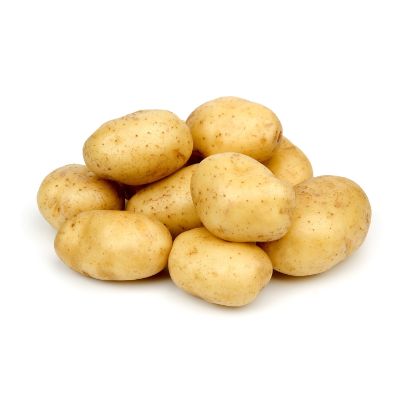
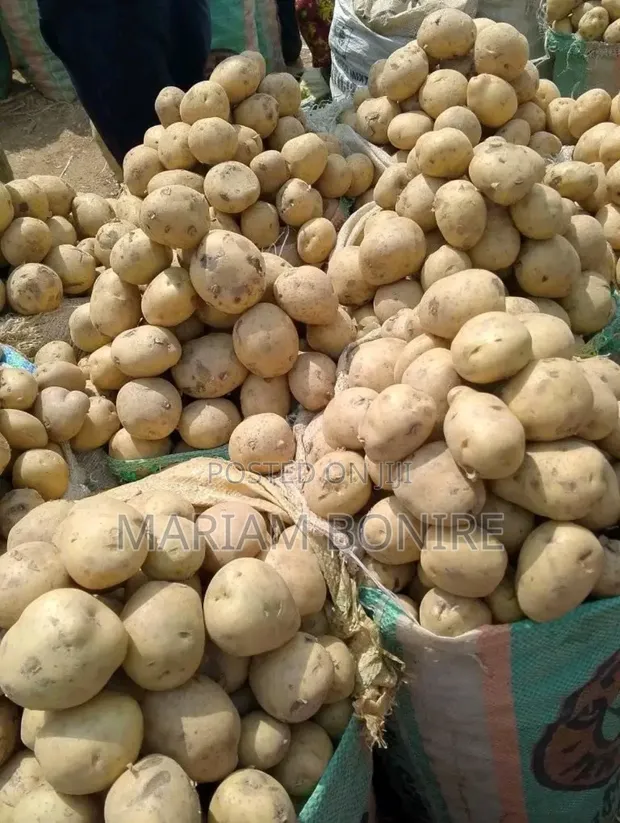
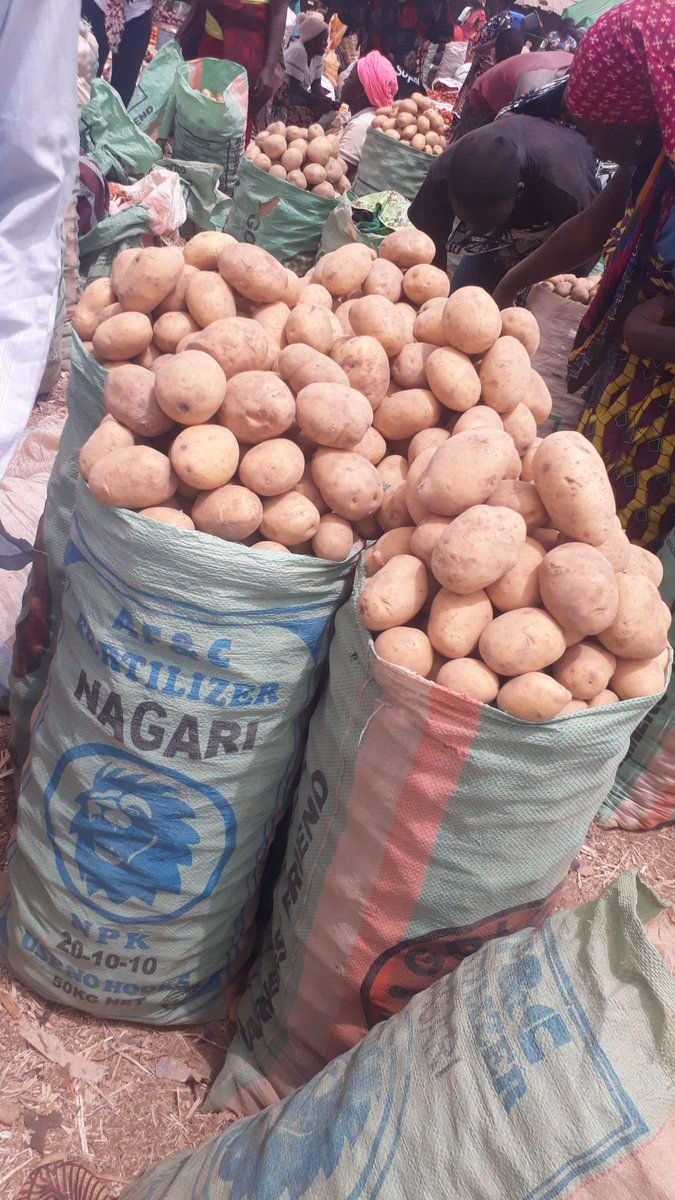
If there’s one crop that truly defines Plateau agriculture, it’s Irish potatoes.
Plateau State produces the majority of the Irish potatoes consumed in Nigeria. That’s not a small claim. From Mangu to Bokkos, vast stretches of farmland are dedicated to potato cultivation.
But let’s go beyond production numbers.
Irish potatoes are:
- High in Vitamin C
- A good source of potassium
- Rich in complex carbohydrates
- Contain resistant starch (which supports gut health)
When prepared properly — boiled, baked, not deep-fried beyond recognition — potatoes are nutrient-dense energy food.
This makes them one of the most commercially important Plateau nutrient rich plants in circulation today.
And because of Plateau’s cool temperatures, the tubers develop strong structure and better storage capacity. That reduces post-harvest loss. Again, investors should be paying attention.
Moringa: The Green Multivitamin Tree
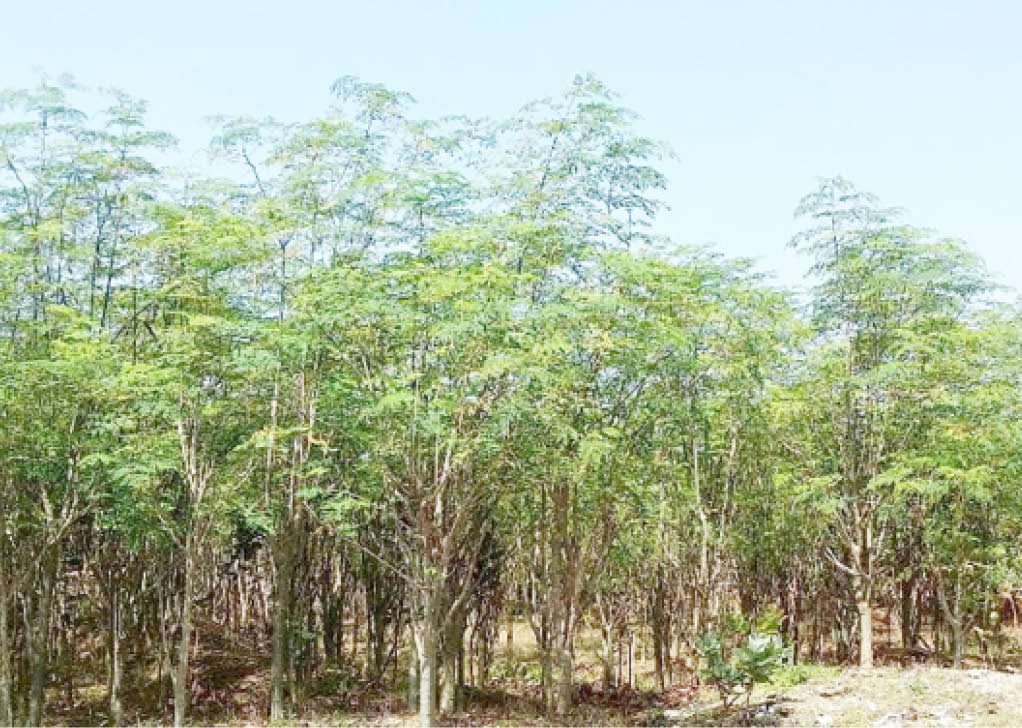


Moringa grows well across many parts of Nigeria, but Plateau’s soil gives it robust leaf density and nutrient concentration.
The leaves contain:
- Iron
- Calcium
- Vitamin A
- Vitamin C
- Plant protein
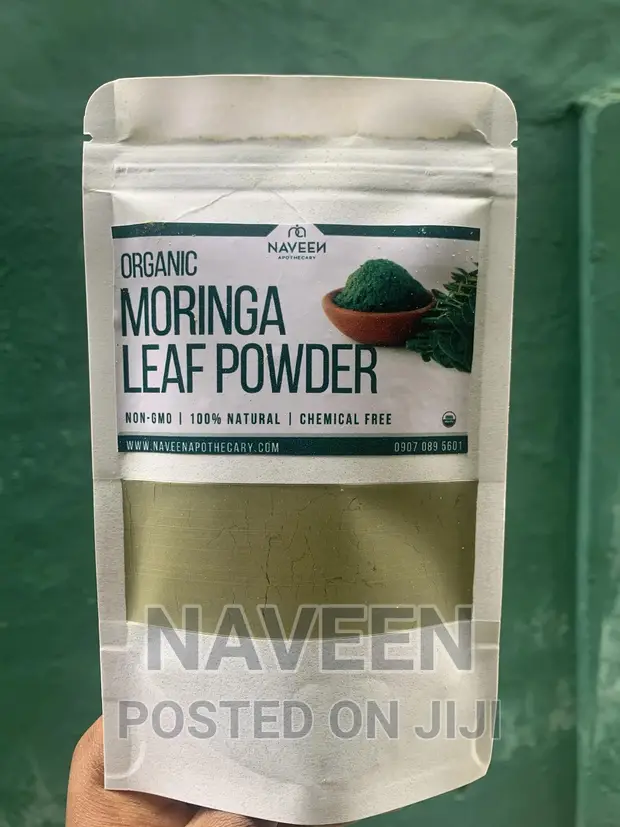
Some people call it a “natural multivitamin.” That’s not marketing fluff. Gram for gram, dried moringa leaf powder can contain more Vitamin C than oranges and more calcium than milk.
Among Plateau nutritious plants, moringa has strong export potential. Health stores around the world are packaging what Plateau farmers can grow naturally.
Black Olives and High-Value Tree Crops

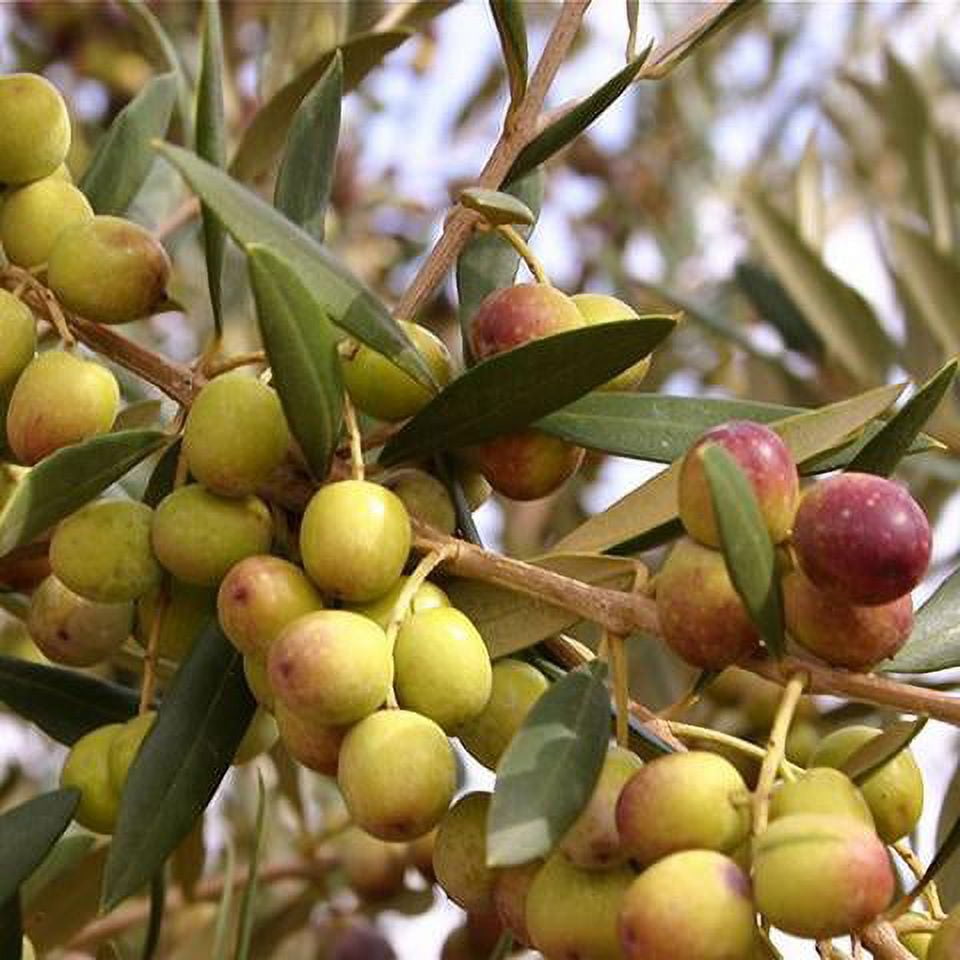
It is important to note that, Olive cultivation is still emerging in Nigeria, but Plateau’s temperate-like climate makes it one of the few regions suitable for experimental olive farming.
Black olives are rich in:
- Healthy monounsaturated fats
- Vitamin E
- Antioxidants
As interest in heart-healthy oils grows, Plateau has the climate advantage to expand into premium tree crops like olives and even certain temperate fruits.
This widens the portfolio of Plateau nutrient rich plants beyond vegetables and grains.
Strawberries, Apples, and Temperate Fruits
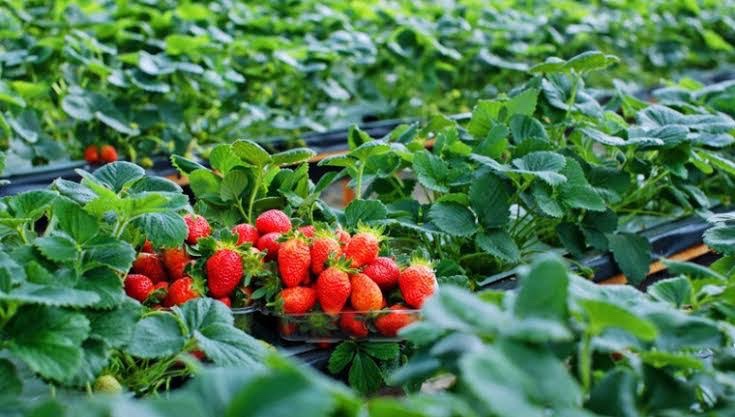
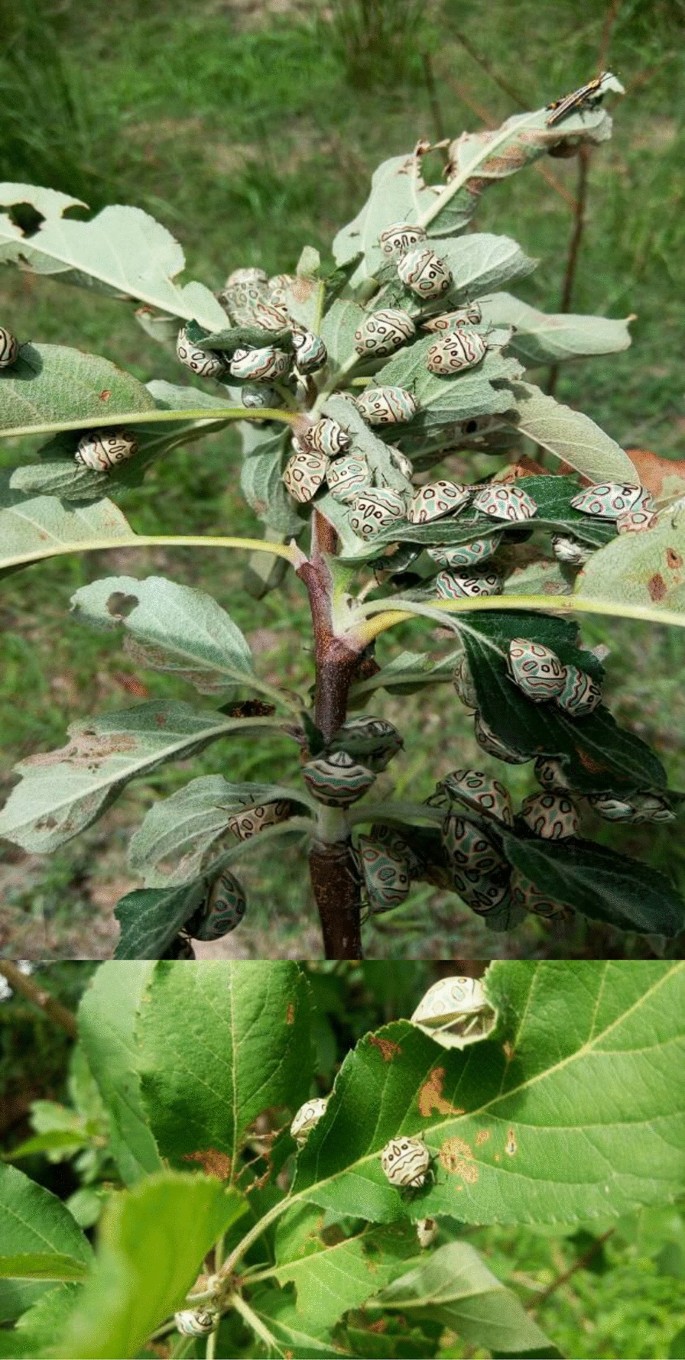

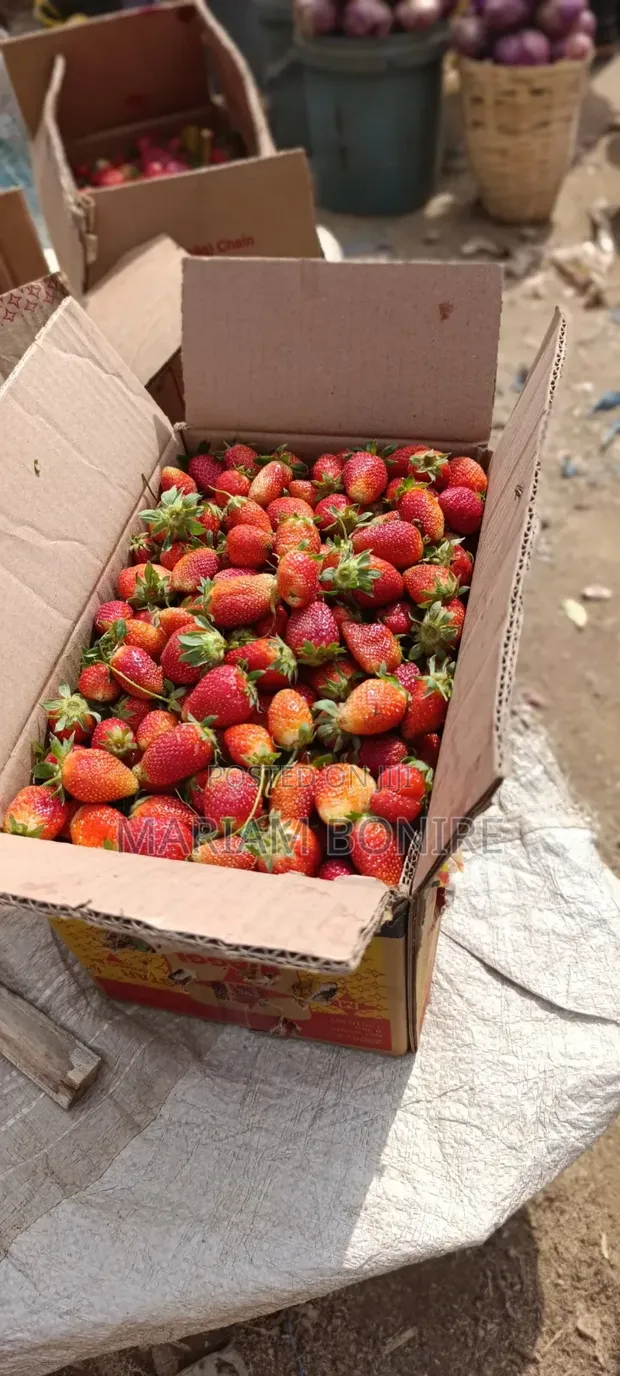
Yes, strawberries, and apples.
The cooler micro-climate of Jos and surrounding highlands allows for temperate fruit trials that wouldn’t survive in hotter states. Strawberries grown in Plateau are rich in Vitamin C and antioxidants. Apples contribute fibre and plant compounds linked to heart health.
These are premium crops. High margin. Strong branding potential.
And they strengthen the narrative that Plateau nutrient rich plants aren’t limited to basic staples. They extend into specialty agriculture.
Why This Matters for Investors, Families, and the Future
Here’s what people often miss.
Food security is economic power. And, the regions that grow diverse, resilient crops control more than their own dinner plates. They control value chains.
From Acha processing to potato storage facilities, from moringa packaging to tomato paste factories, the ecosystem around Plateau nutrient rich plants is still expanding. There’s room for agro-processing plants, cold chain logistics, export branding, and farm-to-table tourism.
And beyond economics, there’s lifestyle.
Families living in Plateau State have direct access to some of the most diverse nutritious plants available in Nigeria. Fresh carrots in the morning market. Potatoes harvested days ago. Leafy greens that didn’t travel 1,000 kilometers before reaching your plate.
That’s health. That’s quality of life.
Plateau Nutrient-Rich Plants: More Than Agriculture
Let’s be honest. Media narratives sometimes flatten Plateau into a single story. But land doesn’t lie. Soil doesn’t trend on social media. It just produces.
And what it’s producing are some of Nigeria’s strongest agricultural assets.
From Irish potatoes feeding millions, to Acha supporting diabetic diets, to tomatoes strengthening national food supply chains, Plateau nutrient rich plants are shaping conversations in nutrition, investment, and sustainable farming.
The beauty of Plateau State isn’t just in its hills or cool evenings. It’s in what grows from the ground.
Also, if you care about health, food innovation, agricultural investment, or simply eating better — this is a story worth paying attention to.
Plateau isn’t waiting to be discovered.
It’s already feeding the nation.