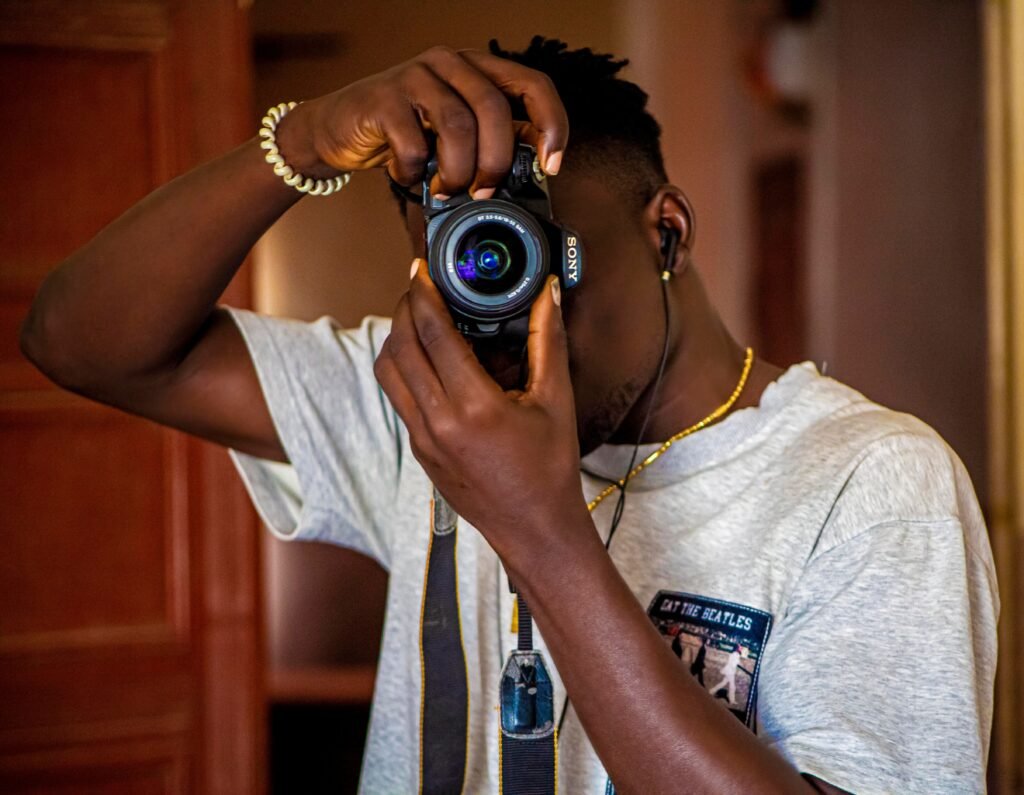
A photographer captures the colours of a traditional celebration. A musician turns a sweet rhythm into a song. A fashion designer reimagines local fabrics, while an artist finds new ways to tell stories about identity and belonging. Across Jos and other parts of Plateau State, people are making things, building ideas and finding audiences for their work. But behind every creative output is a bigger question: can talent become a sustainable business?
This is the opportunity at the heart of Plateau State’s creative economy. The state has a rich cultural identity and a growing community of creatives. What it needs is a stronger ecosystem that lets these talents earn, collaborate, attract investment, and reach markets beyond their immediate surroundings.
More than art, a growing economy
The creative industry is often associated with entertainment, but its reach is much wider. It includes fashion, photography, film, music, visual arts, graphic design, advertising, digital content, crafts and event production. Each field creates opportunities not only for the person making the work, but also for the businesses and professionals supporting it.
A fashion shoot, for instance, may involve a designer, photographer, stylist, makeup artist, model, videographer and production team. A music project can create work for sound engineers, producers, instrumentalists, promoters and event organisers. These connections show how Plateau’s creative industry can support livelihoods across several sectors.
Nigeria’s wider creative economy is attracting increasing attention. The 2026 State of Nigeria’s Creative Economy report, based on responses from 377 creative professionals across eight sectors, identifies financing, reliable electricity, connectivity and access to distribution as major challenges. These are not abstract industry concerns; they are practical issues that affect how creatives work, price their services and grow their businesses.
Jos has the talent. The next step is building the industry.
Photographers document everyday life and the state’s landscapes. Musicians blend contemporary sounds with local influences. Painters, illustrators and other visual artists interpret the world around them, while filmmakers, editors and digital creators tell stories through moving images.
The creative industry in Jos also benefits from a community of young people experimenting with different forms of expression. A 2025 annual report by Custodians of African Literature (COAL) describes Jos as a significant open-mic hub in Northern Nigeria. Its four open-mic events in 2025 recorded 208 sign-ups, 176 attendees and 54 performances, with most performers aged 18 to 29. The programme supported poets, musicians, visual artists and performers with opportunities to develop their craft and connect with audiences.
These figures offer a glimpse of the energy within the city’s creative community. They also point to something important: talent develops when people have places to perform, exhibit, learn, receive feedback and meet others working in the same field.
For young creatives in Plateau State, these spaces can be the beginning of professional journeys. But the transition from passion to profession requires more than visibility. It takes business skills, access to equipment, reliable workspaces, mentorship, fair payment and opportunities to find clients.
When culture meets commerce
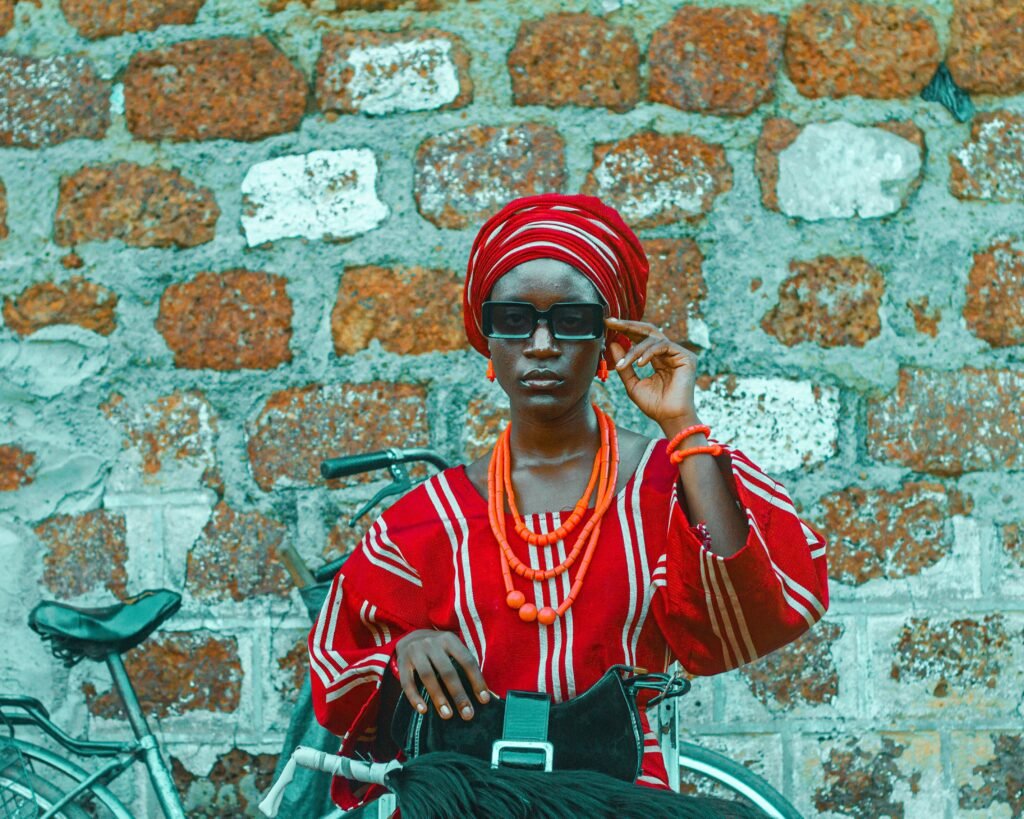
One of the clearest ways to see this potential is through fashion. The fashion industry in Jos can draw from Plateau’s cultural diversity, textiles, craftsmanship and contemporary design, creating work that is both commercially relevant and rooted in local identity.
The recent Tin City Fashion Week showcase demonstrated what this could look like. Held on Sunday, November 22, as part of the opening of One Plateau Fest, Art Meets Fashion brought together 16 designers from across Africa, including Ghana. Organised by Tin City Fashion Week in partnership with Enchanting Plateau, the event placed fashion, music and visual art within the wider celebration of Plateau’s 50th anniversary.
Its significance goes beyond the runway. Events like this can create opportunities for designers to gain exposure, models to build portfolios, photographers and videographers to secure projects, and local vendors to reach new customers. They can also introduce visitors to Plateau’s cultural identity through the work of its creatives.
One Plateau Fest, scheduled to run from November 22, 2026, to January 1, 2027, offers an even wider platform, bringing together activities across fashion, music, food, culture and entertainment. If sustained and developed, festivals of this kind could become recurring platforms for creative businesses, tourism and cultural exchange.
Turning creative work into sustainable businesses
The film and music industry in Plateau has room to grow alongside photography, fashion, design and the visual arts. Local stories can become films and documentaries. Musicians can build audiences through live performances and digital distribution. Photographers can serve weddings, events, brands, tourism campaigns and editorial publications. Artists can sell original works, prints and commissioned pieces.
These are all creative businesses in Plateau State, and they need an environment where creative work is valued as professional work. That means clear contracts, proper pricing, copyright awareness, access to funding, business registration and stronger routes to market. It also means encouraging collaboration between creatives and organisations in hospitality, tourism, agriculture, education and other sectors.
Plateau’s government has also begun giving attention to this opportunity. In September 2026, the state unveiled an Orange Economy blueprint aimed at using culture, tourism and creative enterprise to support job creation and entrepreneurship. The real measure of such a strategy, however, will be how effectively it translates into practical support and opportunities for people working in the sector.
The business of believing in talent
The potential of arts and culture in Plateau State lies not only in preserving traditions or organising memorable events. It also lies in creating an economy around the people who interpret, document, perform and reinvent those traditions.
Economic opportunities in Plateau State are not limited to its natural resources or established industries. They can also be found in a camera, a sewing machine, a recording studio, a paintbrush or an idea waiting to become a business.
Jos already has people doing the work. The next step is building the structures that help them do it consistently, profitably and at a larger scale. When creative talent is supported by opportunity, investment and a market willing to pay for it, creativity becomes more than a personal passion. It becomes an industry contributing to the state’s future.