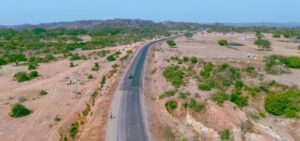
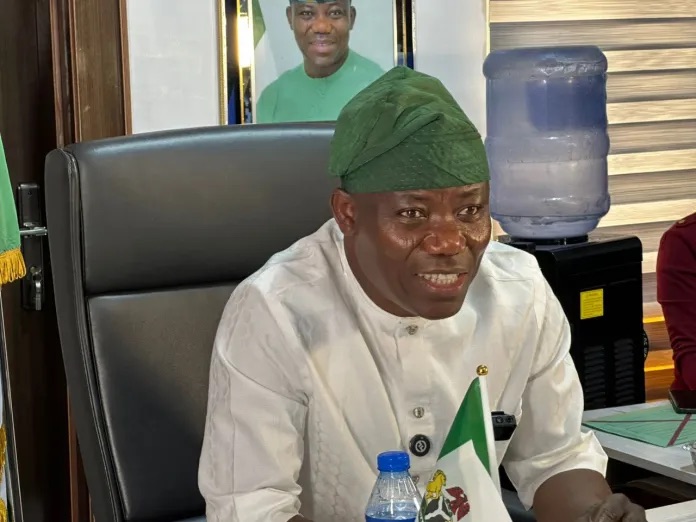
The Plateau State Government has approved the construction of 10 new roads while intensifying efforts to revive about 45 long-abandoned road projects across the state, the Commissioner for Works, Joshua Ubandoma Laven, has said.
Laven disclosed this during a media briefing in Jos, noting that the administration of Governor Caleb Manasseh Mutfwang is pursuing an aggressive infrastructure renewal programme to improve connectivity, stimulate economic activities, and enhance social development.
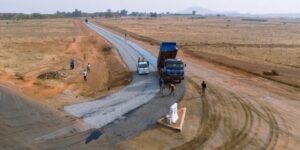
According to him, the state is committing over ₦560 billion to road infrastructure, covering both inherited abandoned projects and newly awarded ones. He explained that the government inherited about 45 abandoned road projects, some of which had been neglected for 12 to 13 years. Of these, 18 projects are currently ongoing, while several others have had their cost estimates reviewed. In addition, 10 new road projects have now been awarded.
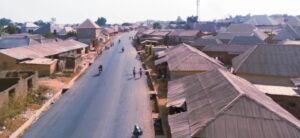
Laven said the decision to initiate new projects alongside the rehabilitation of abandoned ones was driven by the need to close long-standing infrastructure gaps in several local government areas. He cited the Piakum–Tunkus road as an example, noting that the area previously had no direct access road and relied on links through other local governments.
He also listed roads linking Ampere to Dengi and Dengi to Wase among the newly approved projects, explaining that the existing routes are badly dilapidated, leaving some communities largely cut off.
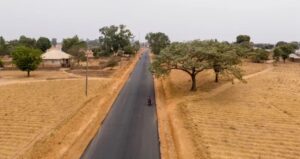
The commissioner revealed that the inherited road projects alone account for a debt profile of over ₦360 billion, while the 10 newly awarded projects are estimated to cost between ₦160 billion and ₦200 billion. He noted that some projects were awarded as far back as 2017 and 2018, with individual roads costing over ₦50 billion.
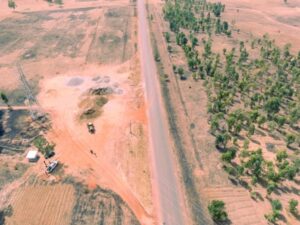
Laven stressed that the projects are strategically targeted at improving rural-urban connectivity, boosting agricultural productivity, supporting tourism, and reducing travel time and transportation costs. He said better access roads would help farmers move produce to markets faster, reduce post-harvest losses, and strengthen major markets in areas such as Bassa, Mangu, and Shendam.
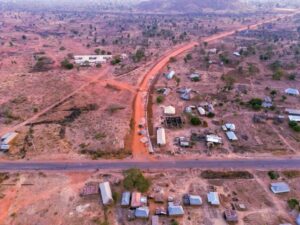
He further disclosed that the state government is installing solar-powered streetlights to illuminate communities, improve security, revive nightlife, and stimulate economic activities after dark.
On traffic management, Laven said the administration is open to constructing flyovers and dualising roads where necessary to ease congestion. He identified areas such as Maraban Jama’a, the Nasco axis, and around the University of Jos as possible future locations, in line with the Jos Master Plan.
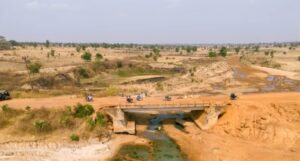
Addressing security concerns, particularly along the Dawn/Dong axis, the commissioner said improved road connectivity and solar lighting would enhance access for security agencies and discourage criminal activities.
He dismissed claims that projects were being abandoned, explaining that delays on some sites are due to due process and verification of contract bills. According to him, these procedures, though sometimes slow, are necessary to ensure transparency and prevent inflation and sharp practices.
Laven assured that the Mutfwang administration remains committed to completing all awarded projects and delivering quality infrastructure across Plateau State, adding that the government is determined to deliver the dividends of democracy to the people.