Visitors to Plateau State may come for the cool weather, the hills around Jos or the promise of a quiet escape from the pace of everyday life. But what makes a destination worth returning to is rarely just its scenery. It is the experience: the food, the people, the stories, the places to stay and the things to do.
This is where the future of tourism in Plateau State lies. The state has natural and cultural attractions to draw visitors, but turning that potential into a thriving tourism economy requires more than promoting beautiful locations. It means building experiences, supporting local businesses and giving young people a meaningful role in the industry.
A Domestic Tourism Market Worth Paying Attention To
Domestic travel is an important part of Nigeria’s tourism economy. According to World Travel & Tourism Council estimates reported by Intelpoint, domestic visitor spending in Nigeria reached approximately ₦6.39 trillion in 2025, accounting for about 93 per cent of travel and tourism within the country. The figures include both business and leisure travel, underlining the scale of the local market.
For Plateau, this presents an opportunity. The state does not have to depend entirely on international visitors to build a viable tourism sector. Nigerians travelling for holidays, family visits, cultural events, conferences and weekend breaks are an important audience. The challenge is giving these people compelling reasons to choose Plateau, and making it easy for them to plan and enjoy their visits.
More Than Attractions: Building Experiences
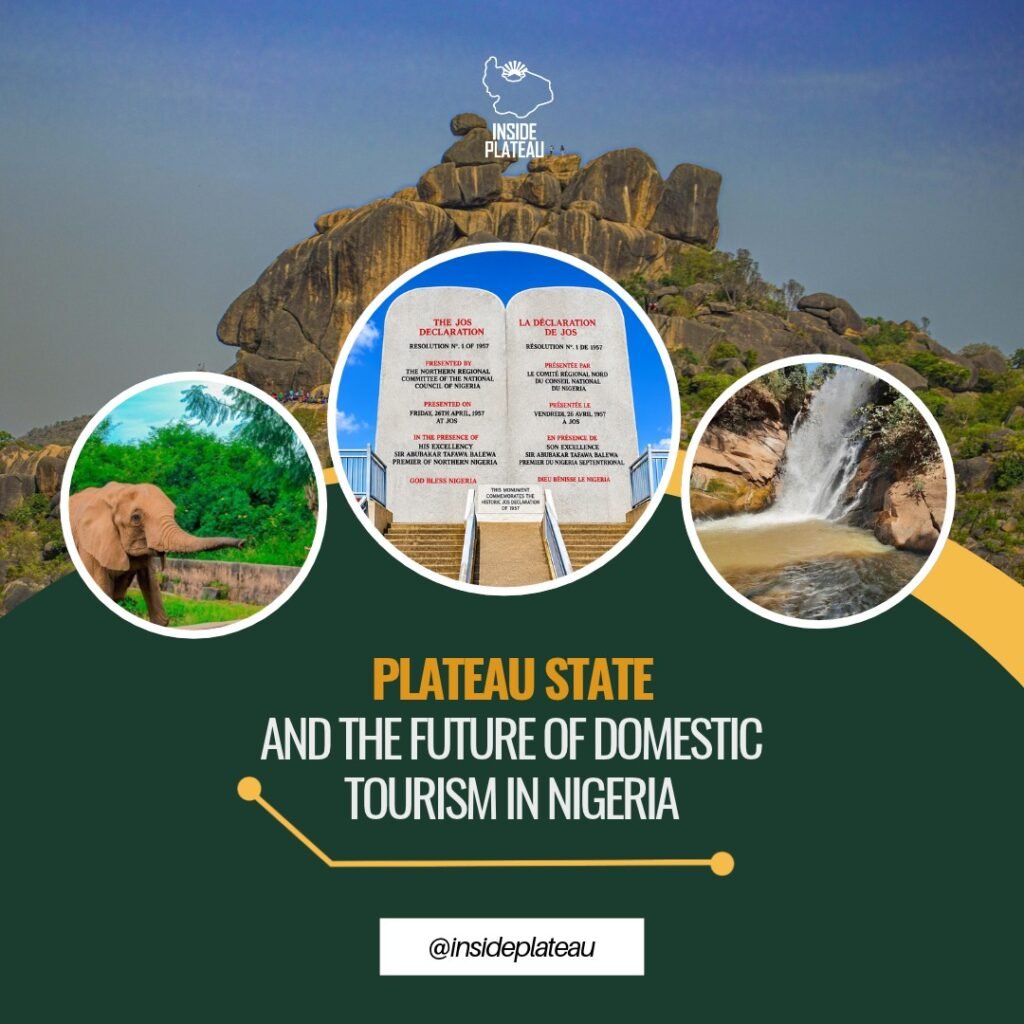
Plateau already has a strong foundation. Shere Hills, Riyom Rock, Wase Rock, Assop Falls and Kurra Falls are among its recognised natural attractions. Its cultural festivals, local food, crafts, history and diverse communities offer equally valuable experiences. The state’s official tourism platform also highlights accommodation and hospitality options for visitors.
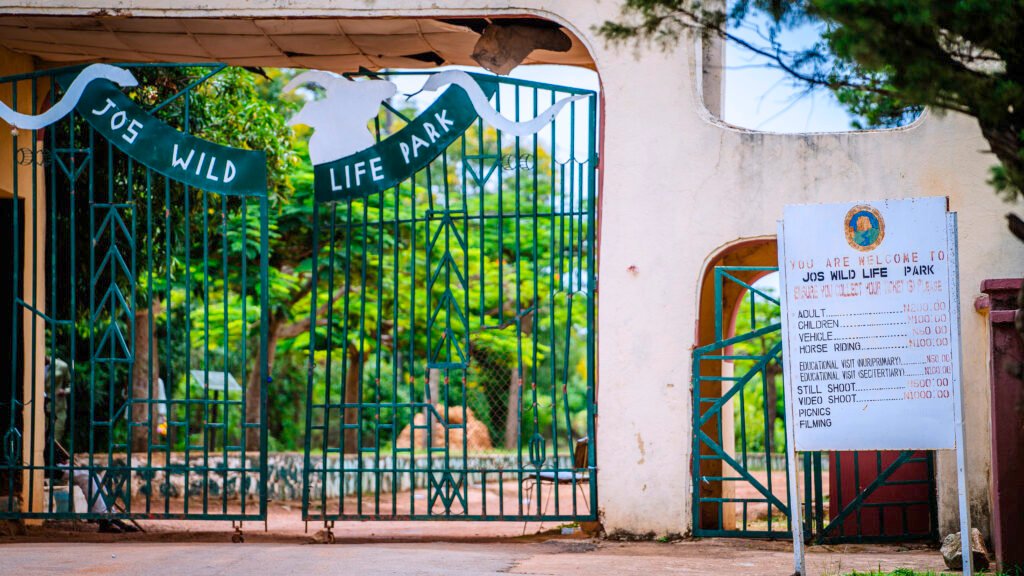
However, a destination becomes more attractive when these individual attractions are connected. A visitor should be able to find a well-organised weekend itinerary, book accommodation, discover local restaurants, arrange transportation and identify activities without having to piece everything together independently. A trip could combine sightseeing around Jos with a local food experience, a cultural event or an excursion to one of the state’s natural landmarks.
This is where tour operators, hospitality businesses and local experience providers become essential. The future of Plateau State tourism depends on making its attractions accessible, organised and enjoyable, rather than simply making people aware that they exist.
Young People Are Part of the Tourism Industry
One of the most important conversations surrounding the sector is the role of young people. Tourism is often associated with hotels, travel agencies and tour guides, but its economic reach is much wider.
Photographers, filmmakers, designers, event organisers, content creators, chefs, digital marketers, software developers and entrepreneurs all have a place in the tourism ecosystem. A well-promoted destination needs people who can tell its story, while a well-run visitor experience depends on people who can package, deliver and improve its services.
This was a central concern at the second Plateau Youth Tourism Roundtable, held on November 19, 2026, under the theme “Digital Agenda & AI: Redesigning Tourism for Youth Employment and Shared Prosperity in Plateau State.”
Organised by the Plateau State Tourism Corporation, the roundtable brought together stakeholders from government, tourism, hospitality, technology and the creative industries. Commissioner for Information and supervising Commissioner for Tourism, Culture and Hospitality, Joyce Lohya Ramnap, and the Corporation’s General Manager, Chuwang Pwajok, were among the key voices at the event. (Event report, November 19, 2026)
The discussions focused on turning tourism assets into sustainable business opportunities, with particular attention to digital transformation, artificial intelligence, entrepreneurship and access to funding. Ramnap also unveiled a Plateau Youth Tourism Opportunity Handbook covering hospitality, culinary tourism, digital tourism, cultural experiences, and tour operations.
The message was significant: young people should not only be invited to promote Plateau as a destination; they should be equipped to build businesses and careers within the industry.
Where Technology and AI Fit In
The roundtable’s focus on digital innovation raises an important question: what could technology actually change for tourism in Plateau?
Artificial intelligence can help businesses understand visitor preferences, develop itineraries, improve customer communication and create content for different audiences. Digital platforms can make it easier to discover attractions, compare accommodation, book experiences and connect with local service providers.
For young entrepreneurs, these tools can lower barriers to entering the industry. A small tour business, for example, can use digital marketing and online booking systems to reach visitors outside its immediate community.
However, technology cannot replace the fundamentals. Accurate information, good service, reliable infrastructure, safety and genuine hospitality remain essential. A beautiful destination with poor visitor experiences will struggle to earn repeat visits.

Making the Opportunity Sustainable
The Nigerian Investment Promotion Commission identifies hospitality infrastructure, travel services, eco-tourism and cultural tourism as areas with room for investment. It also points to the need for better digital travel platforms and logistics across the country.
For Plateau, this means developing the entire visitor experience: improving access to attractions, supporting hotels and restaurants, training tourism workers, strengthening destination management and creating opportunities for local communities to benefit.
Ultimately, the future of tourism in Plateau State will not be determined by the number of attractions advertised but by how effectively it connects those attractions to people, businesses and memorable experiences.
The hills, waterfalls, festivals and hospitality are already here. The next step is building an industry that involves more people, especially young Plateau residents, to earn a living from sharing them with the rest of Nigeria.
That is how Plateau can become not just a place Nigerians admire but a destination they actively choose to experience.