
Let me start by saying this plainly: Plateau State has been sitting on wealth for generations, thinking it’s ordinary. However, this wealth is not oil, and it’s not gold but a tree called Itili—the black olive. And if we’re being honest, we’ve barely scratched the surface of what it can do for this state. And the shame is that, we walk past it all the time.
If you’ve spent some real time in parts of Plateau State like Pankshin or Mangu, you’ll definitely know what I’m talking about. Those massive, resilient trees actually look like they’ve seen the rise and fall of empires. Well, honestly, I feel they probably have. Many of these trees are hundreds of years old. They didn’t appear by accident or chance. They’re the result of wisdom, patience, and long-term thinking by our ancestors—people who planted trees they knew they might never personally harvest.
Read Also: Nigerian Tomato Capital: The Story Behind Plateau’s Red Gold Nigeria’s Tomato Capital: The Story Behind Plateau’s Red Gold
This selfless act from our ancestors alone should make us pause because today, in a world obsessed with quick wins, Plateau is sitting on a plant that rewards patience, scale, and vision. And somehow, we’re still treating it like background scenery.
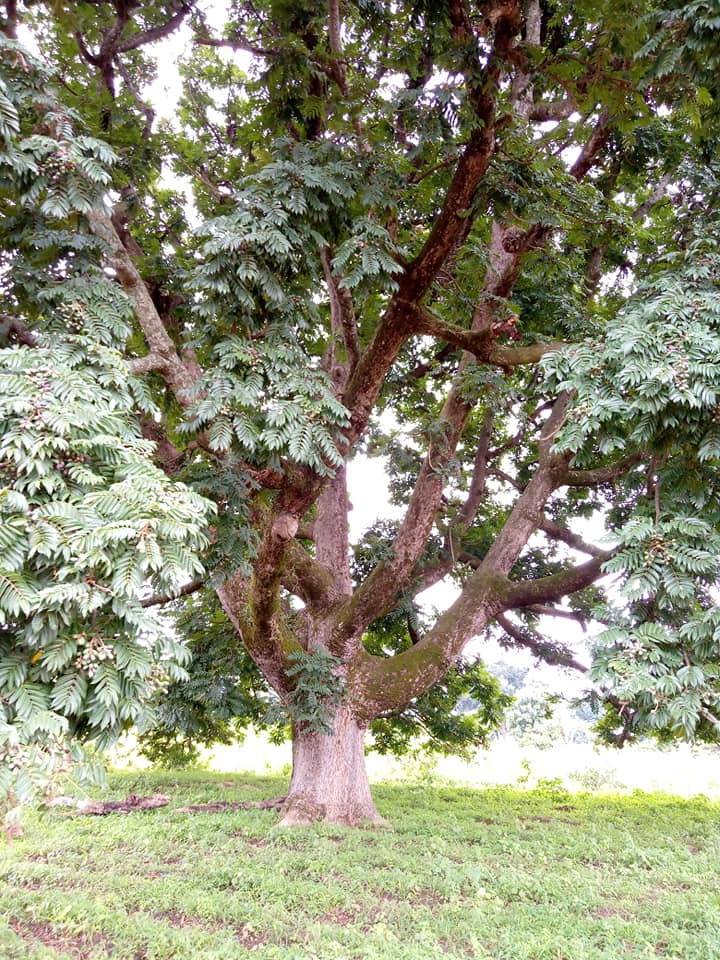
A Black Olive Tree
Plateau Black Olive Is Not Just a Fruit. It’s an Entire Economy Waiting to Happen
Often times, when people hear the name “olive,” their minds jump straight to olive oil. Well, that’s fair enough. However, that’s just the beginning with Itili.
Firstly, let’s talk about the fruit itself. The black olive is not just edible; it’s highly nutritious, and culturally familiar. In many Plateau communities, it’s already part of local diets, often used traditionally without branding or packaging. Which means there’s no need to convince people it’s safe or valuable. Good products really need no adverts.
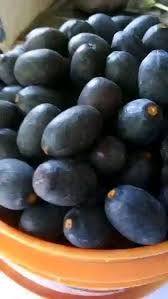
The Black Olive Fruit
Secondly, let’s talk about the oil. This is where things get more interesting. Black olive oil is very special and is treasured globally. Not just for cooking, but for skincare, cosmetics, pharmaceuticals, and wellness products. We import these things every day. Meanwhile, the raw material grows naturally on Plateau soil. That’s not just an irony, but a missed opportunity.
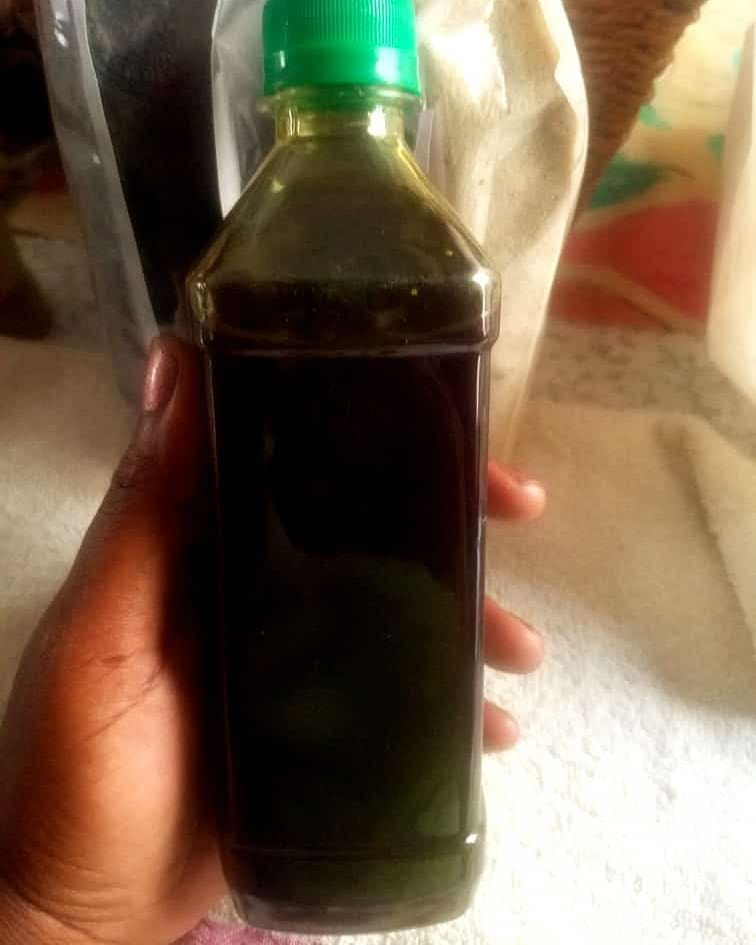
Also, there’s the medicinal side. Traditionally, parts of the olive tree have been used to manage inflammation, infections, and general wellness. The leaves are known for their antimicrobial properties. The oil has long been associated with heart health. These aren’t abstract claims. These are the reason olive-based products dominate shelves in pharmacies and health stores worldwide.
And the best part about this fruit is, nothing goes to waste. The nuts can be further processed or used as biomass. The leaves can also be dried and packaged for herbal use. Even the residue after oil extraction has value—as animal feed or organic fertilizer. The wood itself is durable and useful. This is one of those rare plants where every part earns its keep. From a business perspective, that actually matters because waste is expensive.
Our Geography Didn’t Choose Itili by Accident
The Black Olive Itili doesn’t thrive here by accident, there’s a reason for that.
Plateau State’s altitude, soil composition, and climate creates a sweet spot that many crops struggle to find elsewhere in Nigeria. The cooler temperatures, well-drained soils, distinct wet and dry seasons, are the exact conditions olive trees love in parts of the Mediterranean.
What this means is that the success of black olive trees in Pankshin and Mangu isn’t luck. It’s compatibility. And it’s not limited to those areas.
With the right planning, Itili can grow across large parts of Plateau State. Barkin Ladi. Bokkos. Riyom. Even areas closer to Jos. The idea that it’s “local” to just a few LGAs is more habit than fact. We’ve simply never tried to scale it intentionally across different parts of the state.
Our ancestors planted for shade, food, medicine, and long-term use. They weren’t thinking in terms of export volumes or processing plants. I’m not saying this as a criticism because that was wisdom for their time. But, we’re allowed to think bigger now.
The Real Breakthrough: Shortening the Waiting Game
But, agriculture has changed. Just like palm trees were selectively bred and modified to bear fruit earlier and produce more yield, the same thinking can be applied to Itili. We can focus on improved seedlings, grafting, tissue culture, and controlled breeding. These are not futuristic ideas. They’re already standard practice in modern aggrotech.
Imagine a black olive variety that begins fruiting in five years. That suddenly changes everything. It becomes bankable, investable, attractive to young farmers, easier to insure, and easier to plan around.
This is where Plateau youth need to pay attention. If you’re into agritech, plant science, agricultural engineering, or even data-driven farming, Itili is not an old man’s crop. It’s a frontier crop. One that hasn’t been optimised yet.
Whoever helps crack that code won’t just help Plateau State’s Economy. They’ll be redefining black olive production across West Africa.
Why This Is a Serious Investment Opportunity
It’s time we connect all the dots.
If Plateau State scales the black olive cultivation—intentionally, scientifically, and commercially—processing the fruit becomes inevitable. And processing is where real money lives.
This will birth Oil extraction factories, packaging facilities, storage and logistics hubs, export channels, quality control labs, and branding operations. Each one of these creates numerous jobs. I’m not talking temporary ones. But long-term, skills-based employment. From engineers to machine operators, agronomists to marketers, logistics managers to quality assurance teams.
The Black Olive Oil has a large global market. So, Plateau State could export to other African countries, Europe, North America, and Asia. This isn’t about turning every farmer into a millionaire overnight. It’s about building an ecosystem that absorbs labor, rewards patience, and compounds value over time.
This is the best way to reduce poverty sustainably. Not through handouts, but through systems.
Why We Haven’t Talked About This Enough
I feel the major issue here is familiarity. When something has always been around, we stop seeing it. It becomes normal, ordinary, and easy to overlook.
Another issue is policy attention. This is because, the cash crops that make the headlines are those tied to our colonial export history or federal programs. Itili never quite made that list. But here’s the plain truth: not everything valuable needs federal validation to matter.
Plateau has the chance to build its own agricultural identity around something unique, indigenous, and resilient. And by doing that, we would also be honouring the intelligence of our ancestors. The same people who planted trees knowing full well they were thinking beyond their own lifetimes.
From Background Tree to Strategic Asset
This thought keeps coming back to me. What if we stop seeing Itili as just a tree and start seeing it as infrastructure? Actually, that’s what it is. The Black Olive is a living infrastructure quietly standing, producing value, and waiting for structure, research, and belief.
Plateau State doesn’t need to import ideas to matter globally. Some of the answers are already rooted here—deep in our soil, older than our roads, and stronger than our excuses.
The untold story of Itili isn’t about it existence. It’s that we’ve barely listen to what it’s offering. And when we do this right—thoughtfully, patiently, and boldly—Plateau State won’t just be known for having the black olive trees. It will be known for what it did with them.