
Irrigation farming in Plateau State comes with some quiet shift in confidence: rain is a blessing, but it’s not the only way crops grow. That mindset is exactly what’s reshaping agriculture across the state. Over the years, many people treated farming like a seasonal hustle—something you did when the rains came and paused when they stopped. But things have changed. And honestly, they’re still changing fast.
This isn’t just about watering crops, but about control. It’s about turning farming into a year-round business instead of a half-year gamble. And most importantly, it’s about creating jobs, income, and a new kind of confidence for people who work the land.
Irrigation Farming in Plateau State: A Quiet Revolution
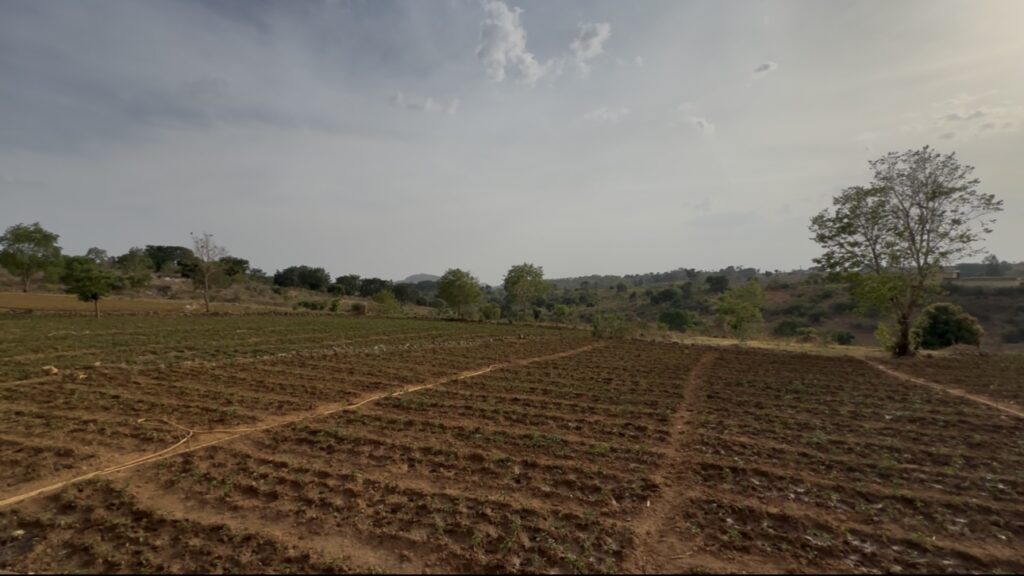
There’s something very powerful about seeing green fields in the middle of the dry season. I don’t mean scattered patches but full, thriving farms. That’s what irrigation farming in Plateau State is doing right now.
In places like Pankshin, Mangu, Bokkos, and Jos, farmers no longer wait for April to decide their fate. They’re planting in November and harvesting in February, replanting in March and harvesting in May. It’s a cycle that keeps going before and after the rainy season.
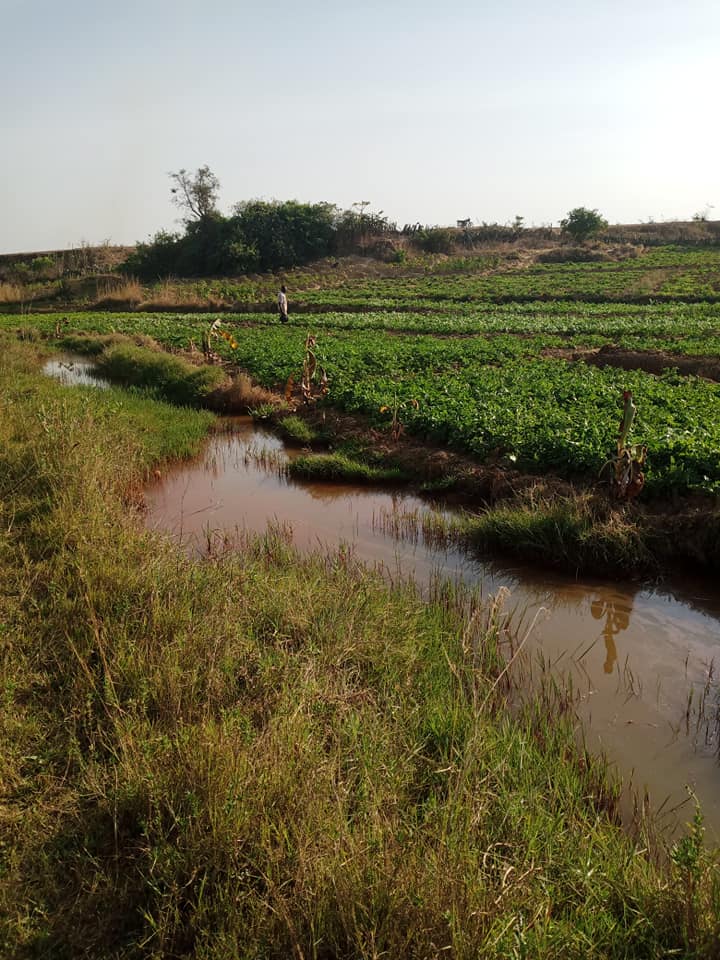
Take Pankshin, for example. The Earth Dam there isn’t just a structure, but a lifeline. Same thing with Lamingo Dam in Jos. These water sources are quietly powering farms that feed not just Plateau State, but markets across Nigeria.
And it’s not theoretical. You see it in the produce:
- Plateau Potatoes (one of Plateau’s biggest exports)
- Fresh tomatoes
- Cabbage
- Pepper
- Carrots and leafy greens
A lot of these crops—especially the ones that dominate Jos markets—are grown through irrigation farming in Plateau State.
Irrigation Farming in Plateau: Leading by Example
Let’s be honest—dry season farming in Nigeria is still underutilised in many regions. You’ll find vast lands sitting idle from October to March. That’s almost half the year gone.
However, Plateau State is showing what’s possible. Our weather helps, of course, but climate alone isn’t the magic. It’s the mindset shift.
Farmers here are beginning to understand something very simple but powerful: plants don’t need rain—they need water. And once you can supply that water consistently, seasons stop being a limitation.
Also Read:Farm Fresh: Plateau’s Ultimate Green Market Hub
That’s why irrigation farming in Plateau State is becoming central to conversations around dry season farming in Nigeria. It’s practical, scalable, and it’s already working.
Where the Jobs Are Coming From
Now let’s talk about what really matters to a lot of people—income. This is because it isn’t just about food production, but about farming jobs in Plateau.
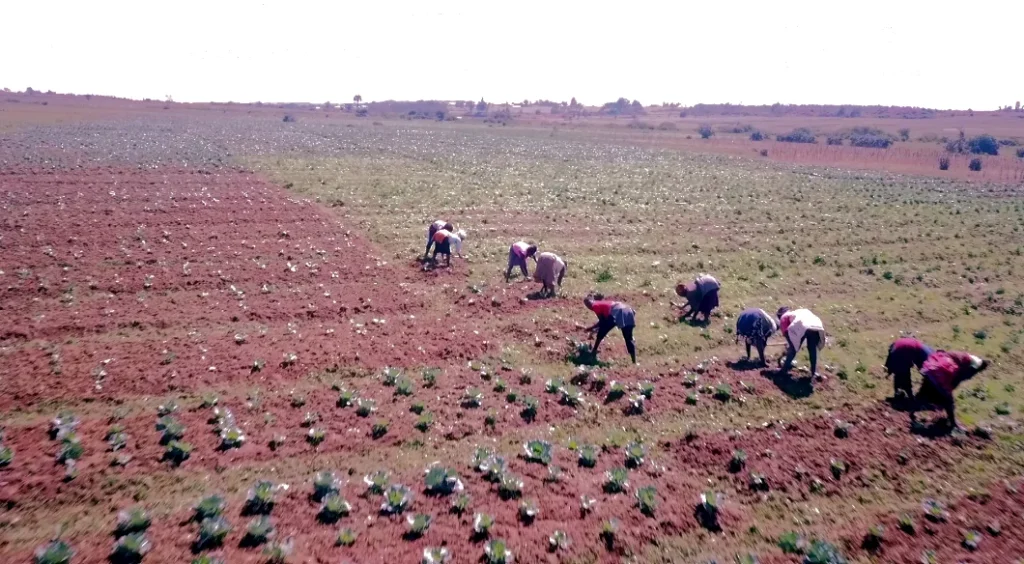
Walk through irrigation sites in Pankshin, Mangu or Bokkos and you’ll see layers of activity:
- Farmers managing plots
- Labourers handling planting and harvesting
- Water pump operators
- Transporters moving produce to markets
- Traders buying in bulk for resale
Each farm becomes a small economy on its own.
And here’s the interesting part: not everyone doing irrigation farming in Plateau State is a full-time farmer. Some are civil servants. Some run small businesses. They farm in the mornings or evenings. It’s a side hustle that pays—sometimes more reliably than their main job.
That’s why farming jobs in Plateau are growing quietly but steadily. It’s not always formal employment. But it’s consistent income, and that matters.
The Crops Driving the Money
If you really want to understand why irrigation farming in Plateau State is gaining traction, look at the crops that dominate the markets.
Plateau Potatoes (formerly Irish Potatoes) are the obvious one. Plateau State is Nigeria’s largest producer, and a significant portion of that output comes from irrigation-supported farms. These potatoes don’t just feed local markets—they travel across states.
Then there’s tomatoes. Anyone who has watched tomato prices skyrocket during off-seasons understands the value of dry season farming in Nigeria. Farmers who grow tomatoes through irrigation often hit the market when supply is low and prices are high.
Cabbage and carrots are another story entirely. Plateau’s cooler climate gives it an edge. When these crops are grown through irrigation farming in Plateau State, they maintain quality and consistency, making them attractive to urban markets.
Pepper, too. Always in demand. Always moving.
And when farmers can produce these crops year-round, income stops being seasonal.
Also Read:Pankshin Earth Dam – The Ultimate Lifeline of a Plateau Community
Pankshin, Mangu, Bokkos, Jos: The Irrigation Hubs
Each of these areas has its own special rhythm, but they all share one thing—water access and farming culture.
Pankshin thrives around its Earth Dam. Farmers there have built routines around irrigation cycles, maximizing land use around the Dam even in peak dry months.
Mangu is similar, with strong farming communities that have embraced irrigation as both a primary and secondary income stream. The rivers in Mangu serve as a major source of water for farmers.
Bokkos stands out for its Potatoes production. Irrigation has turned it into a consistent supplier of Plateau Potatoes.
Jos, especially around Lamingo Dam, blends urban proximity with agricultural productivity. Farms here benefit from easy access to markets, which reduces post-harvest losses.
Irrigation farming in Plateau State across these places is not a theory—it’s a daily practice.
Why Many Farmers Are Getting Wealthier
You must have heard stories of farmers building houses, buying vehicles, sending kids to school, all through farming. It’s not luck but structure.
Here’s what’s happening:
- Multiple harvest cycles
Instead of one harvest per year, farmers using irrigation farming can have two, three, sometimes even four cycles. - Better pricing opportunities
Off-season produce sells higher. That’s where dry season farming becomes a real advantage. - Reduced risk
Rainfall can fail, but Irrigation gives control. - Land optimization
Idle land becomes productive year-round.
This combination is why farming jobs in Plateau are not just increasing, but are becoming more profitable.
The Side Hustle Culture in Farming
One of the most interesting shifts of late is how farming is no longer seen as only for “full-time farmers.”
In Plateau State especially, you’ll find people who:
- Work 9–5 jobs
- Own small irrigation plots
- Hire a few workers
- Sell farm produce weekly
It’s practical, scalable, and it’s contributing to the spread of irrigation farming in Plateau State.
For many, it’s merely a safety net. While for others, it’s a serious business.
And this is where farming jobs in Plateau expand beyond traditional definitions. It’s not just employment, but a big opportunity.
There’s Still More Room for Growth
For all the progress, it’s clear that Plateau State hasn’t fully tapped into its irrigation potential.
There are still:
- Underutilized water bodies
- Limited access to modern irrigation equipment
- Gaps in farmer training
- Challenges with financing
If these are addressed, irrigation farming in Plateau State could scale massively.
Imagine structured support systems—subsidized pumps, better storage facilities, improved road networks. The impact would be huge, because it would strengthen dry season farming in Nigeria and position Plateau as a year-round food basket.
Why Irrigation Farming in Plateau State Should Be a Statewide Priority
The bigger picture is here: Nigeria’s food demand is fast growing, and prices often fluctuate and supply chains struggle. But states that can produce consistently (regardless of season) have a massive advantage.
That’s where irrigation farming in Plateau State becomes really strategic. If the state leans into this:
- Food production will increase
- Prices can stabilize
- More farming jobs in Plateau will be created
- Investors will pay attention
And it’s not far-fetched because the foundation already exists.
Looking Beyond the Rain
There’s a line I heard from an experienced farmer: “Don’t wait for the sky when there’s water on the ground.”
That’s really what this is about. For too long, farming cycles have been tied to rainfall. But irrigation farming in Plateau State is breaking that pattern.
Seven months of dry season doesn’t have to mean inactivity. It can mean production, income, and growth.
The farmers who understand this are already moving ahead. They’re planting when others are waiting, harvesting when others are planning, and most importantly, they’re earning while others are not.
Final Thoughts
If you step back and look at it, this isn’t just an agriculture story, but an economic, and mindset story.
Irrigation farming in Plateau State is creating a new kind of farmer—one who thinks beyond seasons, beyond limitations, and beyond tradition.
It’s powering dry season farming in Nigeria, creating thousands of farming jobs in Plateau, and quietly building wealth across communities.
And maybe the most important part? It’s showing that Plateau State is not just a place of challenges—it’s a place of solutions, innovation, and real opportunity.
The land is there, the water is there, and the results are already visible.
Now it’s about scaling it—and letting more people see what’s possible.
Also Read: https://dailytrust.com/climate-change-soaring-inputs-threaten-plateau-irrigation-farmers/