
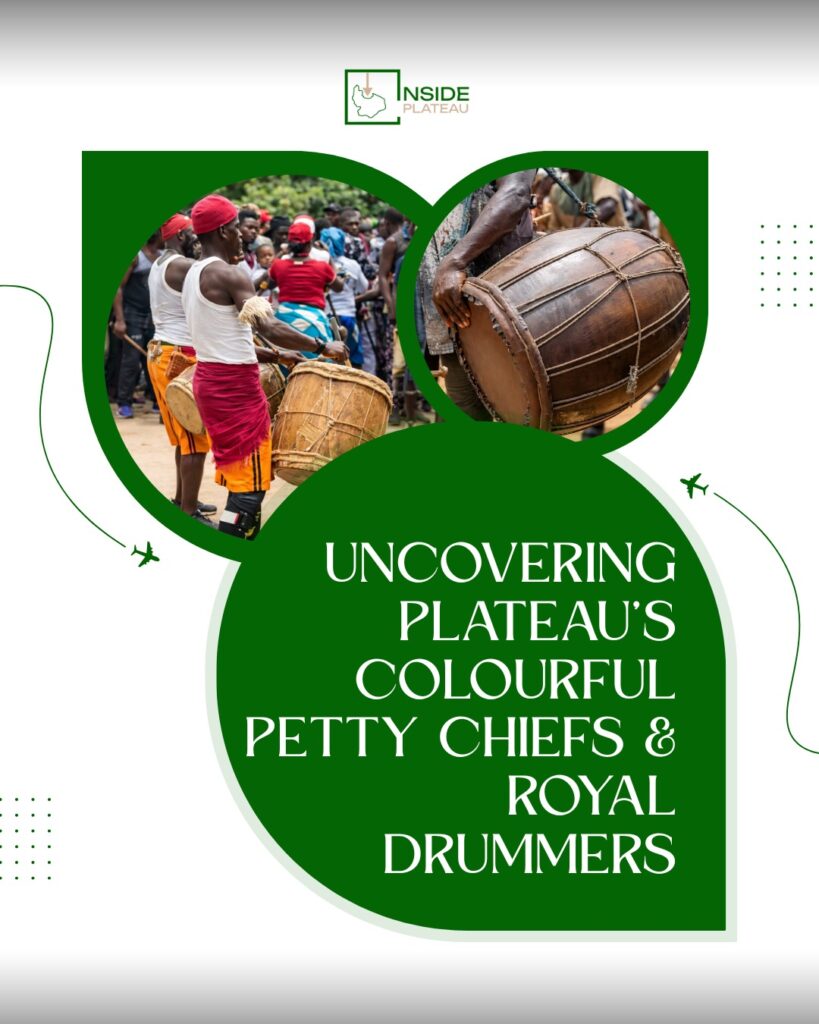
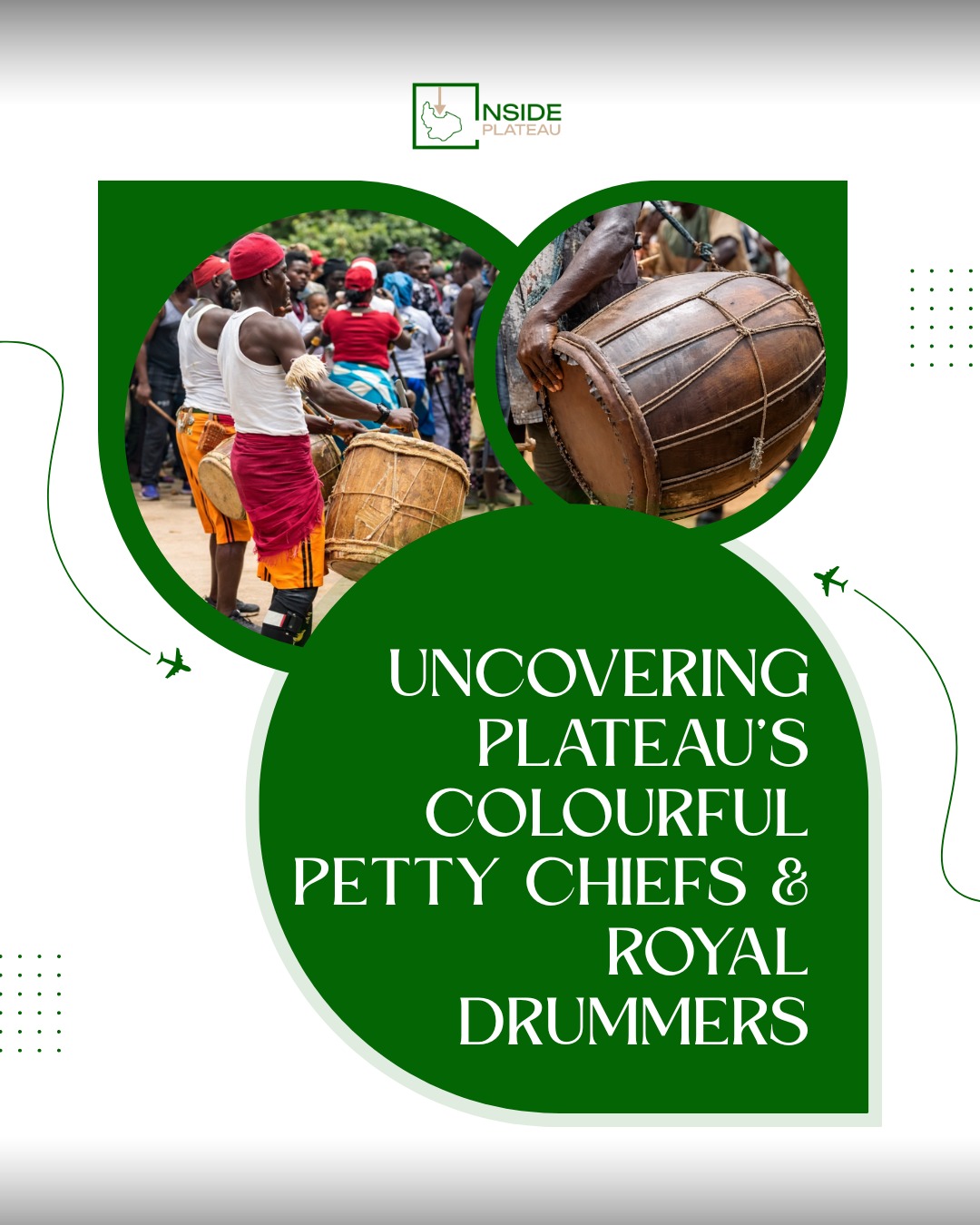
Have you ever attended a major traditional ceremony in Plateau State? If you’ve attended one whether in Jos, Pankshin, Shendam, Mangu, Bokkos, Langtang, Barkin Ladi, Qua’an Pan, or Riyom, you’ve likely seen the Plateau traditional chiefs. These men dress in royal regalia, walk with authority, and are surrounded by drumming, chanting, and cultural symbols that instantly command attention. These Plateau traditional chiefs remain one of the strongest cultural pillars of Plateau State today.
These chiefs don’t attend ceremonies alone. They are often accompanied by the custodians of sound and rhythm—the royal drummers—whose beats are not just for entertainment but often form part of traditional communication systems.
Plateau State is one of Africa’s most culturally diverse states. And this diversity is reflected in how Plateau traditional chiefs operate, how Plateau petty chiefs are appointed, and how the royal drummers perform their duties during ceremonies.
Who are the Traditional Chiefs in Plateau State?
Plateau traditional chiefs are traditional rulers and leaders who serve as custodians of culture, custom, and community authority. Their role is deeply rooted in the indigenous societies of Plateau State and is recognized both socially and institutionally through government-backed traditional councils.
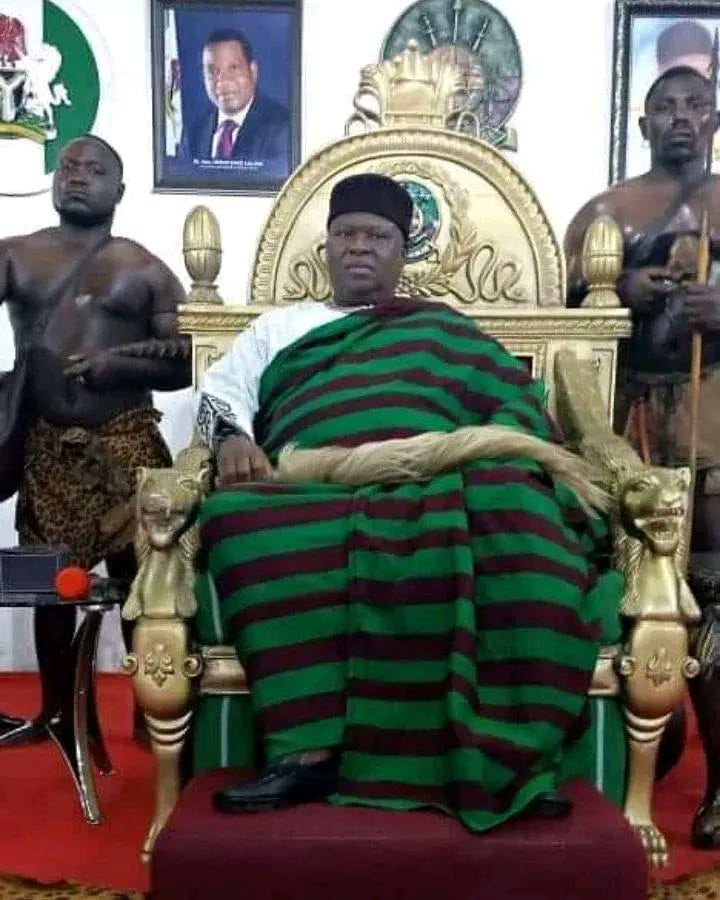
Across Plateau State, different ethnic groups maintain their own traditional governance systems. These systems may vary in titles, hierarchy, and structure, but they all share one thing in common: Plateau traditional chiefs represent the cultural identity and leadership of their people. They are often responsible for:
- Preserving customs and traditions
- Resolving disputes at community level
- Promoting peace and unity
- Serving as intermediaries between their communities and the government
- Overseeing cultural festivals and important rites
In Plateau communities, traditional leadership is not just symbolic. It is very functional.
Understanding Petty Chiefs
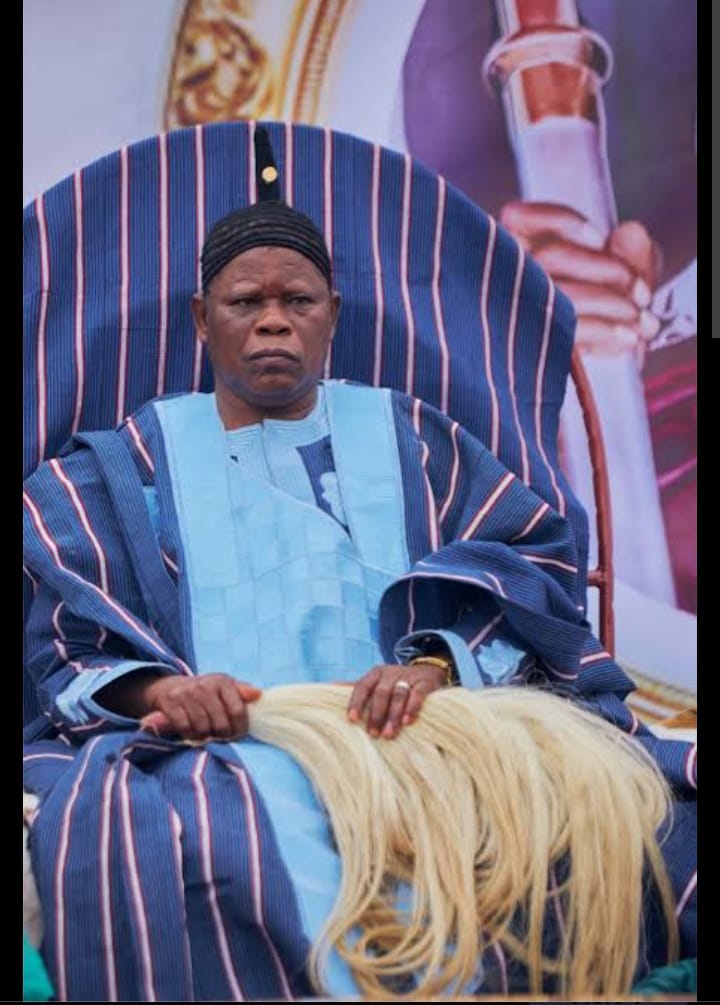
The term “petty chief” may sound misleading to outsiders, but in traditional governance, it simply refers to a chief who governs a smaller community or unit under a larger chiefdom.
So when we talk about Plateau petty chiefs, we’re referring to community-based traditional authorities who oversee villages, wards, or clusters of settlements.
In Plateau State, these petty chiefs are responsible for the following:
- Local dispute resolution
- Land-related community matters
- Community mobilisation
- Customary guidance on marriages and family issues
- Representing their people under higher traditional institutions
This means that the Plateau petty chiefs play a very critical role in ensuring that governance and leadership do not remain only at the top level of the traditional structure. Without them, many rural communities would lack consistent traditional coordination. These chiefs remain influential voices, especially in matters involving local culture and community decision-making.
The Traditional Hierarchy in Plateau State Communities
Even though the leadership systems may differ across ethnic groups, the structure is often layered. In most settings, Plateau State’s traditional chiefs exist in a hierarchy such as:
- Paramount ruler / highest traditional authority
- District heads or senior chiefs
- Community-level chiefs
- Village heads or ward heads (often falling under Plateau petty chiefs)
This layered system helps preserve our local identity while also ensuring that each of the communities remain connected to the wider chiefdom. That’s the reason why Plateau traditional chiefs still remain relevant today, alongside modern government institutions.
Royal Regalia: A Cultural Identity Marker
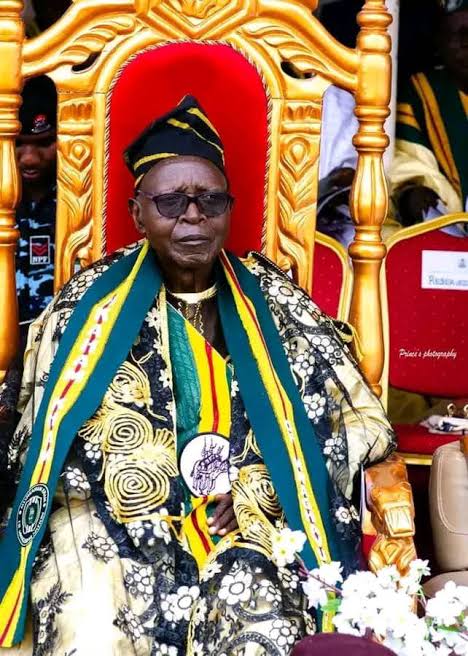
One of the most striking things about Plateau traditional chiefs is their ceremonial appearance. At major cultural gatherings, you will often see chiefs wearing:
- Traditional robes or embroidered attire
- Beads (often worn around the neck, wrist, or chest)
- Caps or crowns unique to their community
- Symbolic staffs or walking sticks
- Traditional accessories tied to identity and authority
In Plateau State, these outfits are not random. They usually reflect:
- Community heritage
- Traditional authority
- Royal lineage
- Historical identity
For Plateau communities, what these Plateau traditional chiefs wear during ceremonies is tied to tradition and social recognition. These visual elements help distinguish leadership ranks and cultural affiliations.
The Royal Drummers: More Than Entertainment
Now let’s talk about the heartbeat of traditional events in Plateau State: I mean the royal drummers.
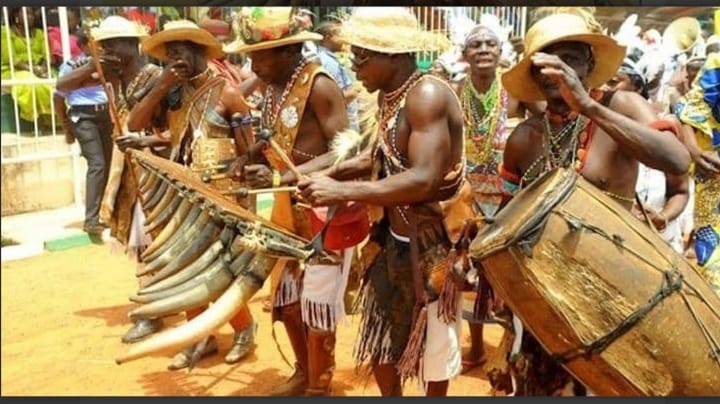
In Nigeria, drumming is a very important cultural practice. However in Plateau State, it holds a very special place because it is integrated into ceremonial tradition. The royal drummers perform specifically for royal and traditional institutions.
They mostly appear at:
- Coronations
- Traditional festivals
- Palace ceremonies
- Cultural displays
- Major celebrations that involves chiefs
In Plateau State communities, the royal drummers are attached to royal households or cultural groups that are recognised by the palace. They do not beat the drums for noise. Their performance is often very structured, deliberate, and symbolic.
How the Royal Drummers Communicate Through Rhythm
One established cultural truth in most African societies (including Plateau state communities) is that drum rhythms can serve as a means of communication.
The royal drummers can use rhythms to announce:
- The arrival of a chief
- The beginning of an important ceremony
- A moment of honour or recognition
- A cultural transition during festivals
This is the reason why drumming at royal events usually feels different from ordinary drumming at celebrations. The royal drummers usually play rhythms that are reserved for traditional authority and cultural significance.
This makes their presence essential at gatherings involving Plateau traditional chiefs.
Plateau Petty Chiefs and Local Governance
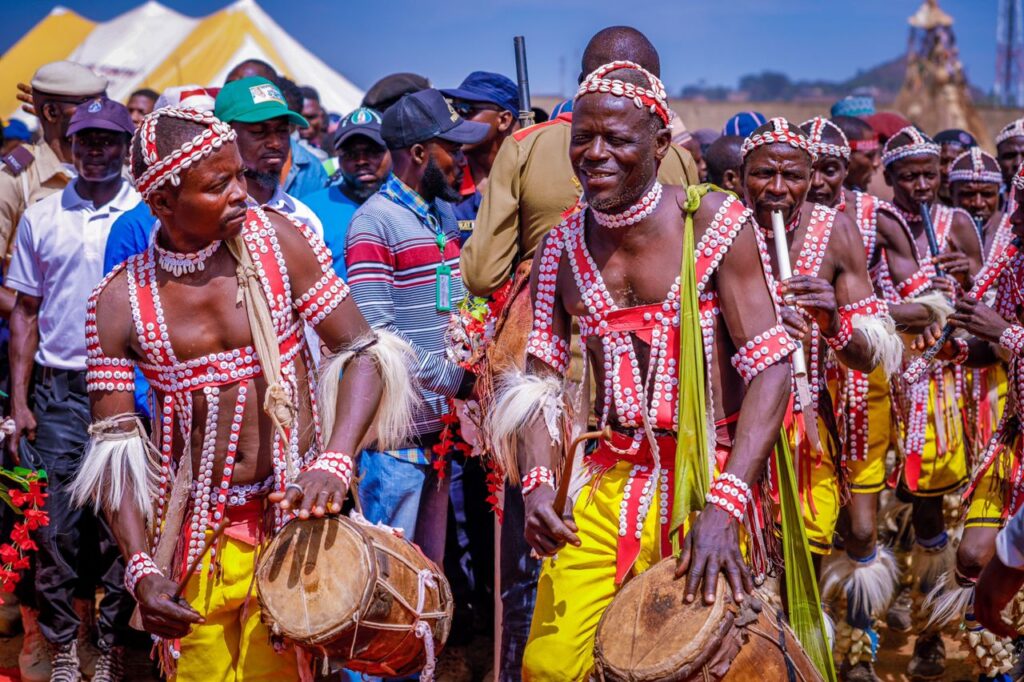
It is impossible to fully grasp the strength of Plateau traditional chiefs without acknowledging the impact of Plateau petty chiefs. In many rural Plateau communities, the petty chief is the first traditional authority that people meet when issues arise.
This issues could involve:
- Family disputes
- Community misunderstandings
- Land and boundary concerns
- Traditional marriage issues
- Local cultural rites
It is important to note that, Plateau petty chiefs are closer to the grassroots, they often understand the social relationships within their communities better than any external institution would.
This is the main reason why traditional structures continue to matter in Plateau State.
Traditional Festivals Where Chiefs and Drummers Take Centre Stage
Plateau State hosts many indigenous cultural festivals that showcase its heritage. These events often feature Plateau traditional chiefs, Plateau petty chiefs, and the royal drummers in full display.
Some of the notable festivals are:
- Pusdung Festival (Ngas People): The Pusdung Festival is associated with the Ngas people of Plateau State and is recognised as one of the major cultural festivals in the state.
- Puska’at Festival (Magwavul People): The Puska’at is associated with the Magwavul people of Plateau State. It is also one of the major cultural festivals in the state.
- Nzem Berom (BeromPeople): This is the biggest cultural festival in the state and is associated with the Berom People.
During these cultural celebrations, it is common to see Plateau traditional chiefs’ present, as well as cultural troupes and the royal drummers who provide ceremonial rhythm. These festivals are often community-driven and serve as a platform for cultural pride, unity, and identity.
Plateau State’s Cultural Diversity Makes Its Traditional System Unique
One big fact about Plateau State is its diversity. The state is home to many ethnic nationalities, each with unique customs, languages, and leadership systems. This diversity is also why Plateau traditional chiefs remain so culturally significant.
Unlike places where traditional leadership is centralised into one cultural identity, Plateau has a very broad network of chiefdoms and traditional institutions. This means there are different traditional titles and different leadership structures, but the purpose remains the same: leadership, culture, and identity preservation.
In these systems, Plateau petty chiefs remain vital to local structure, while the royal drummers remain vital to cultural ceremony.
Why Plateau Traditional Chiefs Still Matter Today
Today, in the modern day Nigeria, traditional institutions remain very relevant. However, in Plateau State, Plateau traditional chiefs continue to serve as cultural representatives and community stabilizers. Their influence is still felt in:
- Community peace-building
- Local cultural administration
- Traditional justice and dispute resolution
- Representation of community interests
- Preservation of heritage
In many cases, Plateau traditional rulers are also involved in inter-community discussions and peace efforts, especially in times where unity is required. This makes Plateau traditional chiefs not just cultural symbols, but functional community leaders.
The Place of Plateau Petty Chiefs in Community Stability
The strength of traditional systems is dependent on how well leadership is distributed. This is the reason why Plateau petty chiefs are a major part of Plateau’s traditional governance.
Their presence ensures that:
- Community issues are addressed early
- Traditional authority remains accessible
- Local customs are maintained
- Communication between villages and higher chiefs remains active
In most Plateau communities, Plateau petty chiefs serve as the custodians of local tradition and are key figures in maintaining unity.
The Royal Drummers as Custodians of Cultural Sound
A key fact about traditional drumming is that it is not only performance—it is cultural preservation.
The royal drummers preserve rhythms and beats that have existed for generations. These rhythms are often taught through apprenticeship, meaning younger drummers learn directly from experienced drummers over time.
In many traditional settings, the royal drummers are expected to understand:
- Timing and ceremony structure
- Respectful performance protocols
- Traditional rhythm sequences
- Royal etiquette during performances
This is why the royal drummers are often treated with respect at palace events. Their role is not only cultural, but ceremonial, and historical.
Tourism Potential: A Real Cultural Asset
For tourists and visitors, Plateau State is already known for its weather, landscape, and hospitality. However, cultural tourism is another major opportunity.
Events involving Plateau traditional chiefs, Plateau petty chiefs, and the royal drummers can become major cultural attractions if they are properly documented and promoted.
Tourists are naturally drawn to:
- Authentic festivals
- Indigenous ceremonies
- Cultural dances
- Traditional music performances
- Royal processions and regalia
And, Plateau State has all of these. But the best part is that this culture is not manufactured. It is natural and lived daily in communities across the state. That is why Plateau traditional chiefs remain part of a heritage that can support the growth of tourism.
Why Documentation Matters
An important fact we need to know is that much of Plateau State’s cultural knowledge is still oral. Most of our traditions, histories, and ceremonial practices are passed from generation to generation without being written down. This makes documentation very crucial.
Recording the cultural practices that involves Plateau traditional chiefs, Plateau petty chiefs, and the royal drummers is far beyond content creation. It is about preserving our identity. This is because once our elders pass away, some of these knowledge will get buried with them if it is not recorded.
Plateau State’s traditional system is rich, but like every heritage system, it needs active preservation.
Plateau Traditional Chiefs as Symbols of Identity
Do you know that Plateau State’s, traditional institutions continue to play a role in defining identity?
For many communities, a chief represents:
- Connection to ancestral heritage
- Continuity of leadership
- Authority in cultural rites
- Unity among families and clans
This is the reason why gatherings involving Plateau traditional chiefs often draw large attendance. It is not about the individual chief. But it is about what the office represents.
Plateau Petty Chiefs and the Grassroots Connection
Practically, the closest traditional leader to many Plateau residents is not the paramount ruler—it is the local chief. That is where Plateau petty chiefs stand out.
They remain:
- Accessible
- Present in daily community matters
- Connected to local families
- Active in village-level peace discussions
This is why Plateau petty chiefs continue to hold relevance even in modern times.
The Royal Drummers and the Atmosphere of Authority
A traditional event usually feels incomplete without the royal drummers. And the reason is really simple: drumming sets the tone. While the beat creates rhythm for processions. Also, the sound signals moments of importance.
And in most settings, the royal drummers are responsible for sustaining the energy and ceremonial order of the event.
Their presence can transform an ordinary gathering into a cultural occasion. And when Plateau traditional chiefs appear with drummers leading the atmosphere, it becomes a full cultural statement.
Conclusion: A Living Tradition Worth Celebrating
Plateau State is known for many things—its hills, cool climate, agricultural potential, and peaceful hospitality in many communities. However, one of its strongest assets is its cultural structure.
Plateau State’s traditional chiefs are not just the remnants of our history. They remain active custodians of our identity, tradition, and leadership.
In the same vein, Plateau petty chiefs are the backbone of community-level traditional governance. They ensure that leadership and cultural order remain close to the people.
And the royal drummers continue to preserve the ceremonial rhythms that give Plateau State’s traditional life its sound and energy.
We live in a time where many societies are losing touch with heritage, but Plateau State remains one of Nigeria’s most culturally alive states in Nigeria. And as long as the Plateau traditional chiefs, Plateau petty chiefs, and the royal drummers continue to perform their roles, Plateau’s cultural identity will remain strong, visible, and well respected.