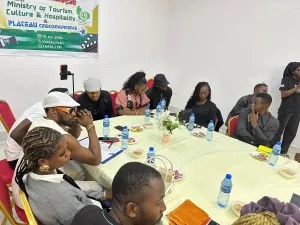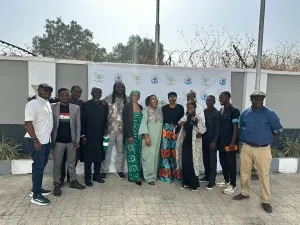
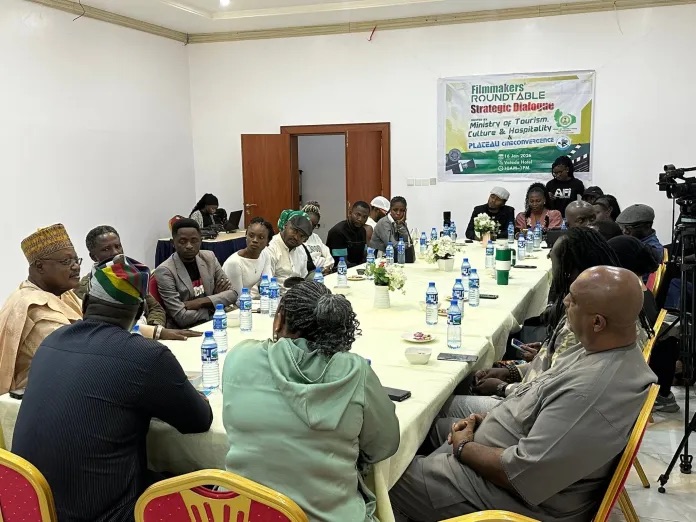
Filmmakers in Plateau State on Friday, January 16, 2026, convened for a strategic roundtable dialogue aimed at repositioning the state as a major filmmaking hub in Nigeria. The meeting, hosted by the Plateau State Ministry of Tourism, Culture and Hospitality, took place at Valada Hotel, Jos, and brought together renowned filmmakers, producers, actors, policymakers, and other stakeholders in the creative industry.
The dialogue focused on identifying gaps within the local film industry and exploring pathways to revive Plateau State’s historic prominence in Nigerian cinematography. Participants recalled that Nigeria’s earliest recognized feature film, Palaver (1926), a silent movie directed by British filmmaker Geoffrey Barkas, was filmed among the Sura and Angas peoples of the Bauchi Plateau present-day Plateau and Bauchi States cementing the region’s place in the nation’s cinematic history.
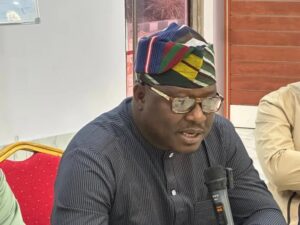
Delivering the keynote address, the Honourable Commissioner for Tourism, Culture and Hospitality, Hon. Cornelius Dongnaan Doeyok, described the roundtable as a defining moment in the effort to reclaim Plateau State’s cinematic legacy.
“It is a profound honor to stand before this gathering of visionaries and storytellers,” Doeyok said. “We are not merely here to discuss the industry; we are here to reclaim a legacy. Plateau State is no longer just a scenic location we are declaring ourselves a global film destination.”
He emphasized that under the leadership of Governor Caleb Mutfwang, the state government views tourism and culture as critical drivers of sustainable economic growth. According to him, the film industry represents a robust value chain with the capacity to generate employment, attract investment, and boost tourism.
The commissioner outlined government plans to support filmmakers through improved infrastructure, including the development of world-class studios and the renovation of facilities at the National Film Institute; investment in skilled local human capital; and the creation of film-friendly policies to streamline permits and guarantee security for production crews.
He also announced initiatives such as the development of a “Plateau Film Map” to showcase iconic filming locations, as well as the exploration of incentive frameworks and public-private partnerships to support productions that prioritize the use of local talent.
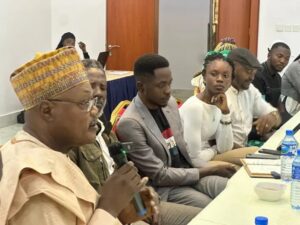
Veteran filmmaker Sani Muazu, in his contribution, lamented the decline of Plateau State’s prominence in filmmaking despite its rich history. He noted that many creatives trained in the state have migrated elsewhere due to limited opportunities.
“Film is a powerful economic activity with multiple value chains,” Muazu said. “We need to ask ourselves what happened to Jos and how we can make it attractive again for filmmakers to return or invest here.”
He proposed the establishment of cottage cinemas across local government areas as a strategy for creating a sustainable market for locally produced content. According to him, such cinemas would help build audience appreciation for indigenous stories and create a viable ecosystem for filmmakers to earn returns on their work.
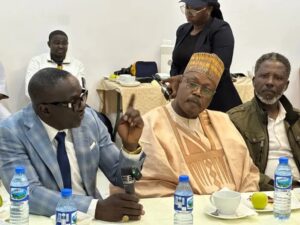
Security concerns also featured prominently in the discussions, with participants noting that negative perceptions about safety in Plateau State have discouraged filmmakers from choosing the state as a filming destination. Speakers called for improved security and deliberate efforts to positively rebrand the state.
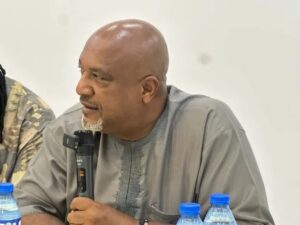
Lawmaker Daniel Asama, representing Jos North/Bassa Federal Constituency, urged filmmakers to prioritize compelling local content that showcases Plateau’s culture and hospitality. He stressed that quality storytelling aligned with contemporary trends would attract both government support and private investment.
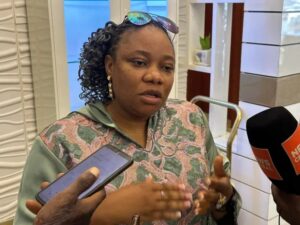
Filmmaker and producer Yill Fomwul Gonsum described the roundtable as a strategic platform to bridge the longstanding gap between filmmakers and the government. She noted that the dialogue brought together veteran and emerging filmmakers to foster unity, strengthen their collective voice, and build a more effective partnership with the state government.
Participants agreed that while Nigeria’s film industry continues to thrive nationally, Plateau State must deliberately address its unique challenges to reclaim its place in the sector. They expressed optimism that sustained dialogue and collaboration with the government would help revive Jos as a leading film destination for Northern Nigeria and beyond.
The roundtable concluded with a shared commitment by stakeholders to work collectively toward rebuilding Plateau State’s creative economy and restoring its historic role in Nigerian filmmaking.