
I remember the day the math changed for me. I was in Shendam, visiting a friend who farms grains and melon. In one season, he sold five bags of melon and walked away with about two million naira. That wasn’t even his main crop. He also had rice, maize, and guinea corn waiting in the barn. I stood there doing the arithmetic in my head, and something shifted. Plateau State is not just producing food. It is producing winners. And if one farmer in Shendam could do this quietly, without a single press release, then the real question isn’t whether business in Jos has potential. It’s why more people haven’t noticed.
That question is what this piece tries to answer. Not with hype, but with numbers, stories, and a few uncomfortable truths.
Also Read:Why Rayfield Resort Is Becoming One of Jos’ Biggest Tourism Attractions
Business in Jos: The Opportunity Is Real
Start with the official record. In the 2025 PEBEC Subnational Ease of Doing Business Report, Plateau tied with Enugu for sixth position nationally, scoring 56.2 percent. That may not sound dramatic until you hear how the state’s own commissioner for information, Joyce Ramnap, described it: Plateau moved from being “nowhere on the chart before” into the top ten states in the country for ease of doing business. That is not a small jump. Plateau State was invisible in this conversation five years ago, now it sits at the same table as Lagos, Kaduna, and the FCT.
For business in Jos, Money is following the momentum. Plateau State’s internally generated revenue has been climbing hard, from roughly ₦15.9 billion in 2022 to over ₦31 billion by 2024, and reportedly crossing the ₦40 billion mark for the first time by 2025. The state has also signed a ₦4 billion matching fund with the Bank of Industry, split evenly between state and federal contributions, aimed squarely at cheaper financing and training for small businesses.
Cost of Living
Then there’s the everyday economics of simply being here. Cost of living in Jos runs significantly below Abuja, with housing alone costing roughly 40 percent less. For anyone thinking of starting something with modest capital, that gap between Jos and Abuja is not a footnote. It is the difference between a business that survives its first year and one that doesn’t.
And then there is the crop that put Plateau on the map before any of us were born. Plateau State produces over 90 percent of Nigeria’s potatoes, a dominance confirmed by the African Development Bank’s Potato Value Chain Support Project. Countries like Ghana, Niger, Chad, and Benin import Plateau potatoes that trace back to farms in Bokkos and Mangu. That is not a local hustle. That is a supply chain with international reach, sitting quietly in our backyard.
The Reality Nobody Puts on the Flyer
This is the point where the story gets realer.
Oluwatomiwa, a Corps Member, arrived in Jos six months ago with an idea that made perfect sense on paper. The idea was: export potatoes, peppers, tomatoes, and other produce to markets in the west. It was, in her words, the first business she thought of the moment she landed. But the closer she looked, the more the idea complicated itself. The capital required was bigger than she expected. Logistics ate more cash than the product itself. The payments needed to be made across long supply chains all translated to risk she hadn’t planned for. Her experience is a perfect small case study of the gap that exists between opportunity and reality.
Also Read:Plateau Potatoes: A Taste of Home, Pride, and Prosperity
The produce economy she was eyeing can be brutally unforgiving. In August 2025, a 50kg bag of Plateau potato that had been selling for ₦150,000 to ₦170,000 crashed to as low as ₦30,000 to ₦40,000. This was driven by a bumper harvest and the state’s chronic lack of storage and cold-chain infrastructure. Farmers who bought or planted at peak prices absorbed losses that no amount of “Plateau produces 90 percent of Nigeria’s potatoes” can soften. One farmer, describing a similar price collapse from poor storage conditions, said he invested ₦600,000 and recovered only ₦80,000. That is the other half of the opportunity story, the half that rarely makes it to the headlines.
More Problems
Transport and logistics compound the problem. Poor storage forces farmers to sell immediately after harvest, flooding the market and crashing prices, exactly what happened with the 2025 potato glut. Add erratic power, inconsistent internet, and the well-known Nigerian headache of accessing affordable credit, and you start to understand why plenty of good ideas and business in Jos never make it past year one.
There is also a subtler reality, one my understudy stumbled onto by accident. She went looking for a piece of clothing, expecting Jos prices to be lower than what she was used to back home, given how affordable the state generally is. She found a genuinely high-quality item in a boutique, priced lower than she expected even for its quality. When she asked the shop owner why, the woman told her plainly: it was the only item of that quality in her shop, and she had to reduce the price just to attract buyers, because most people in Jos simply don’t expect to spend much on anything, regardless of quality.
That single exchange says more about the local market’s relationship with money than any survey could. Jos people are not opposed to quality. They are cautious with money, and businesses here have to work around that caution rather than against it.
Who Is Already Winning
Not everyone is losing to these headwinds. Some are quietly building real things.
Take Tad’s Kitchen. It started from two benches under a table, run by Timbyen Amos Dashe, a determined Plateau woman with more will than capital. Today it has grown into a proper culinary brand, still serving meals, still building a name, still standing as proof that resilience and consistency can out-earn a big opening budget. Her story follows a pattern worth noticing: she didn’t wait for ideal conditions. She started small, stayed disciplined, and let growth happen on its own timeline.
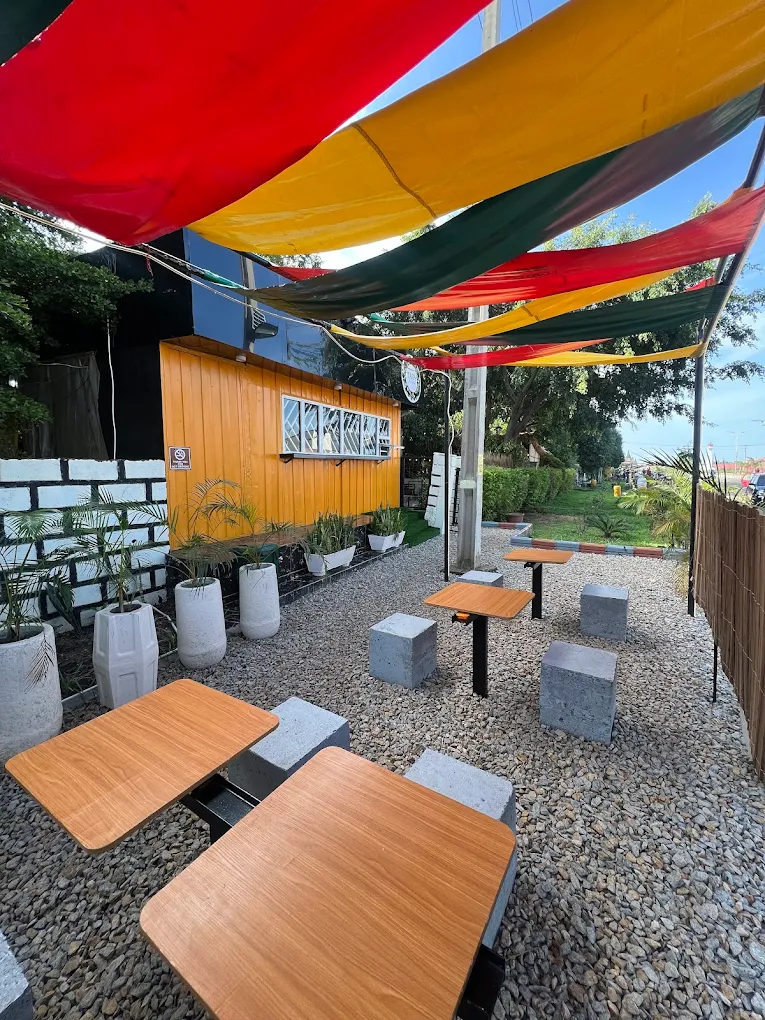
Elsewhere, the wins look less polished but no less real. Local agro-vendors move baskets of tomatoes and peppers nationwide using nothing more than social media and word of mouth. Small service businesses solving everyday admin headaches, JAMB registration, NIN enrollment, NYSC documentation, have built loyal, paying customer bases simply by being reliable in a system that often isn’t. None of these are unicorn stories. They are steady, patient businesses run by people who understood their market before they understood scale.
The Myth That Holds Business in Jos Back
Ask around Jos long enough and you’ll hear a familiar belief: that only outsiders succeed in business here. People point to Igbo and Hausa traders dominating certain markets and conclude it must be some kind of unwritten law, that indigenes simply aren’t built for commerce the way settlers are.
I don’t believe that, and the evidence doesn’t support it either. What separates the traders who thrive from the ones who struggle isn’t about ethnicity. It’s discipline. The ones who succeed treat their business like their life depends on it. They separate the business from family, from friendship, from pleasure, refusing to let goodwill and sentiment quietly bankrupt what they’ve built. That discipline is learnable. It has nothing to do with where you’re from and everything to do with how seriously you protect the line between your business and everything else pulling at it.
If there is one blind spot Jos entrepreneurs need to shed, it’s this: the problem was never who you are. It’s whether you’re willing to run your business like it owes you nothing.
What Winning Actually Looks Like
After all the research, the numbers, and the conversations, here’s where I’ve landed. Winning in Jos isn’t about flashy exits or overnight wealth. It’s growth, the stability, and the slow, deliberate escape from survival and lack. The kind that lets a farmer in Shendam sell five bags of melon and reinvest instead of just eating through the profit. The kind that lets Timbyen Amos Dashe (CEO TAD’s Kitchen) a woman who started with two benches under a table. She build a brand that outlives the table itself. She showed the consistency required to succesfully build a business in Jos.
Jos will not hand anyone a business. The capital is real, the logistics are unforgiving, and the local caution around spending will test every pricing decision you make. Business in Jos is not a gamble. Because, the state is producing winners, in potato fields, in kitchens, in quiet markets most people never write about. The opportunity is there. So is the reality. The people already winning are simply the ones who stopped waiting for one without the other.
Also Read: https://www.f6s.com/companies/nigeria/jos/lo