
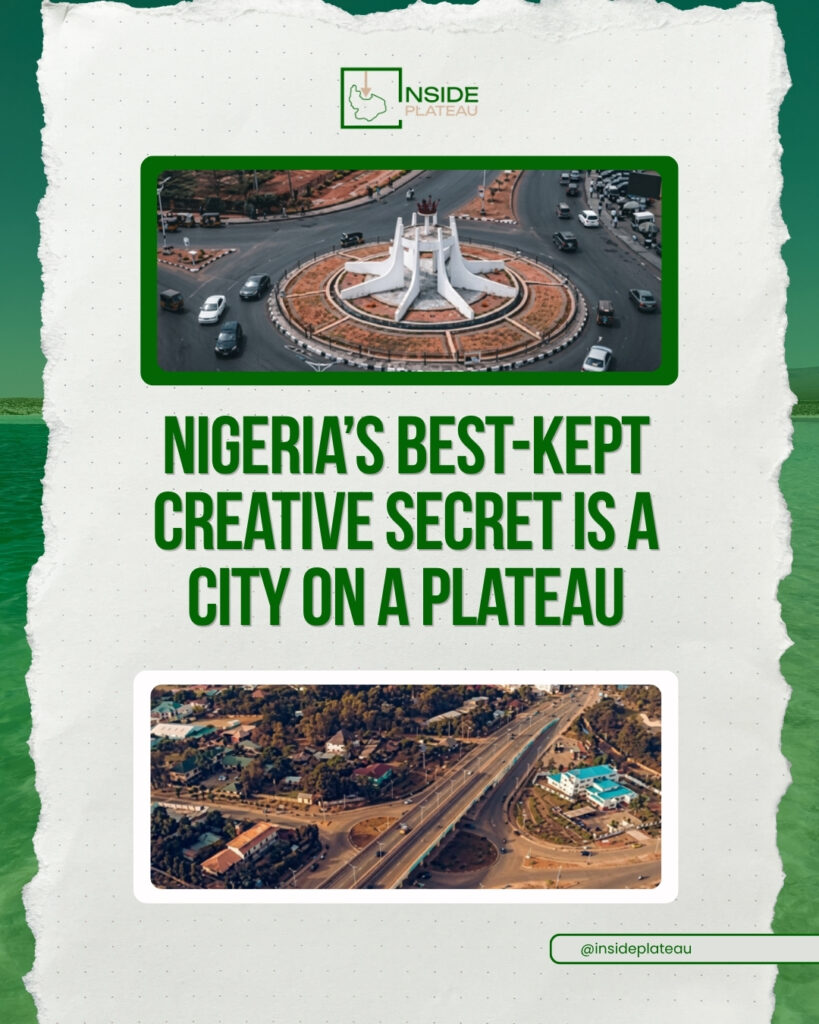
Creative Minds in Terminus.
Go past the main road and walk into the phone section at Hamaz. What you will see first looks like chaos. Hundreds of young men moving in every direction, no uniforms, no desks, no title on the door. But watch closely and the chaos becomes something else entirely. It becomes a creative system.
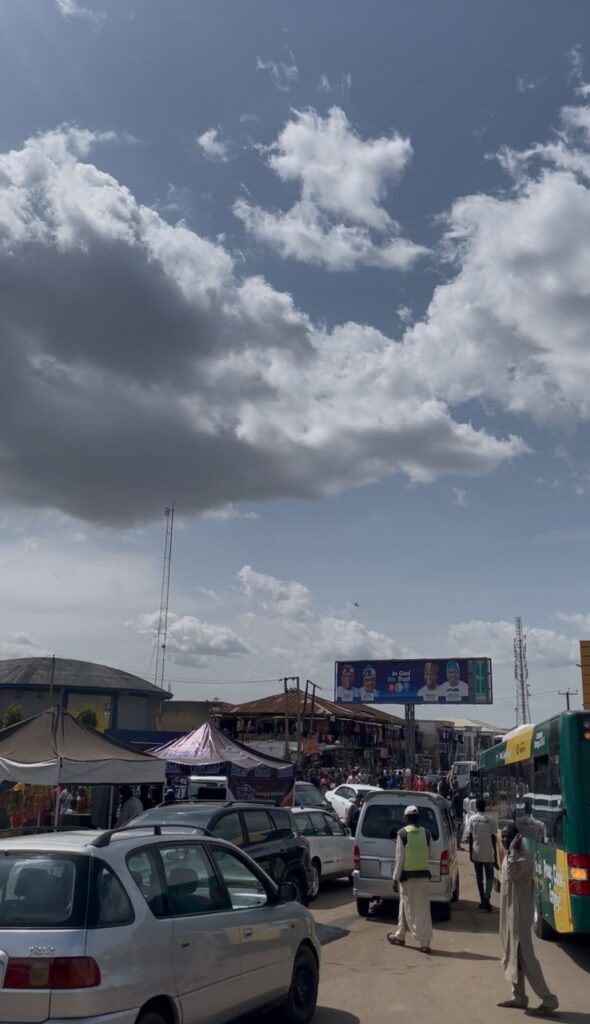
These boys do not own shops. Most of them do not even have capital. What they have is sharper than both. They can read a stranger in seconds. They understand what the customer needs before the customer finishes his sentence. Then they connect that need to the right person, take a cut, and move to the next deal. Five deals in a day at ten thousand naira each is fifty thousand naira. Without a shop, a loan, or a certificate.
Some of Nigeria’s quiet millionaires started right there on that floor.
This is Jos. And that kind of creativity, the kind that works with nothing and still produces something, runs through everything this city does.
The City That Keeps Producing
Jos is not loud about what it has built. The city does not announce itself the way Lagos does, or carry the political weight that Abuja does. It just sits on its plateau, cool and calm, and it creates. Quietly. Consistently. Generationally.
The evidence is not hard to find. You just have to know where to look.
M.I Abaga came from Jos. So did Jesse Jagz, his brother, Ice Prince, Ruby Gyang, and Jeremiah Gyang. P-Square recorded early work in this city. That is not a coincidence. That is a pattern. And every pattern has a source.
It Started in a Studio Called Evenhouse
Before any of those names meant anything to Nigeria, there was a man named Panam Percy Paul.
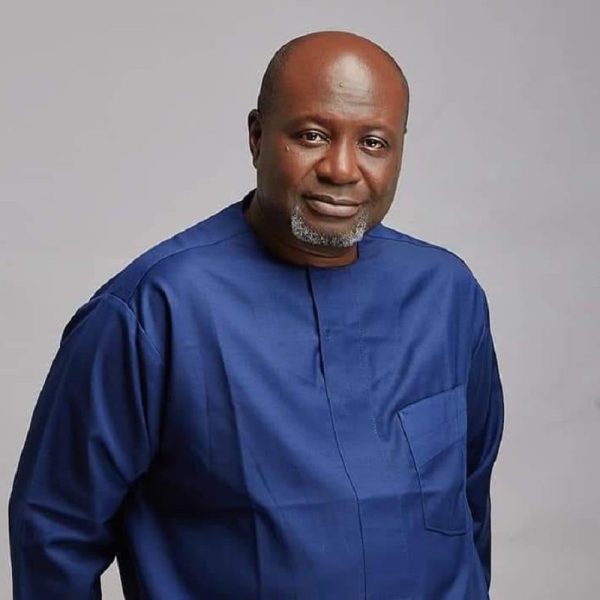
Panam is a gospel legend. He built his studio in Jos and spent decades making music that an entire generation grew up listening to. But what he also did, perhaps without planning it, was create a greenhouse. Young musicians came through his space. They watched, learned, recorded, and grew.
Jesse Jagz once said it plainly. Evenhouse studio is where Panam did all his work. There was nobody below fifty who did not grow up on Panam’s music. He was the musician’s musician.
Panam himself, speaking about the artists who passed through his world, said simply: “All these boys are my children.”
That sentence carries more weight than it seems. Because what Jos built was not just talent. It built a chain. One generation lighting the next. Gospel roots feeding secular branches. Sacred spaces producing artists who would eventually fill arenas and streaming platforms across the world.
That chain is still unbroken today.
Also Read: https://articles.connectnigeria.com/throwback-thursday-the-african-way-by-panam-percy-paul/
What Jos Sent to the World
When M.I Abaga released Crowd Mentality, Nigeria paid attention. Here was a rapper who could think, construct, and deliver at a level the industry had not quite seen. He went on to run Chocolate City, one of Nigeria’s most respected music labels. He became a symbol of what Nigerian hip-hop could look like when it took itself seriously.

Jesse Jagz followed with Odysseus and a body of work that showed his range as both a rapper and a producer. Ice Prince brought a warmer energy, bridging hip-hop and mainstream pop, winning MTV Africa Music Awards along the way. Ruby Gyang carved her own lane entirely, becoming one of the most distinctive voices in Nigeria’s alté and R&B space.
What is remarkable is not just that they all made it. What is remarkable is that they all came from the same place. The same cold weather, same hills, same community, and same early exposure to music rooted in faith.
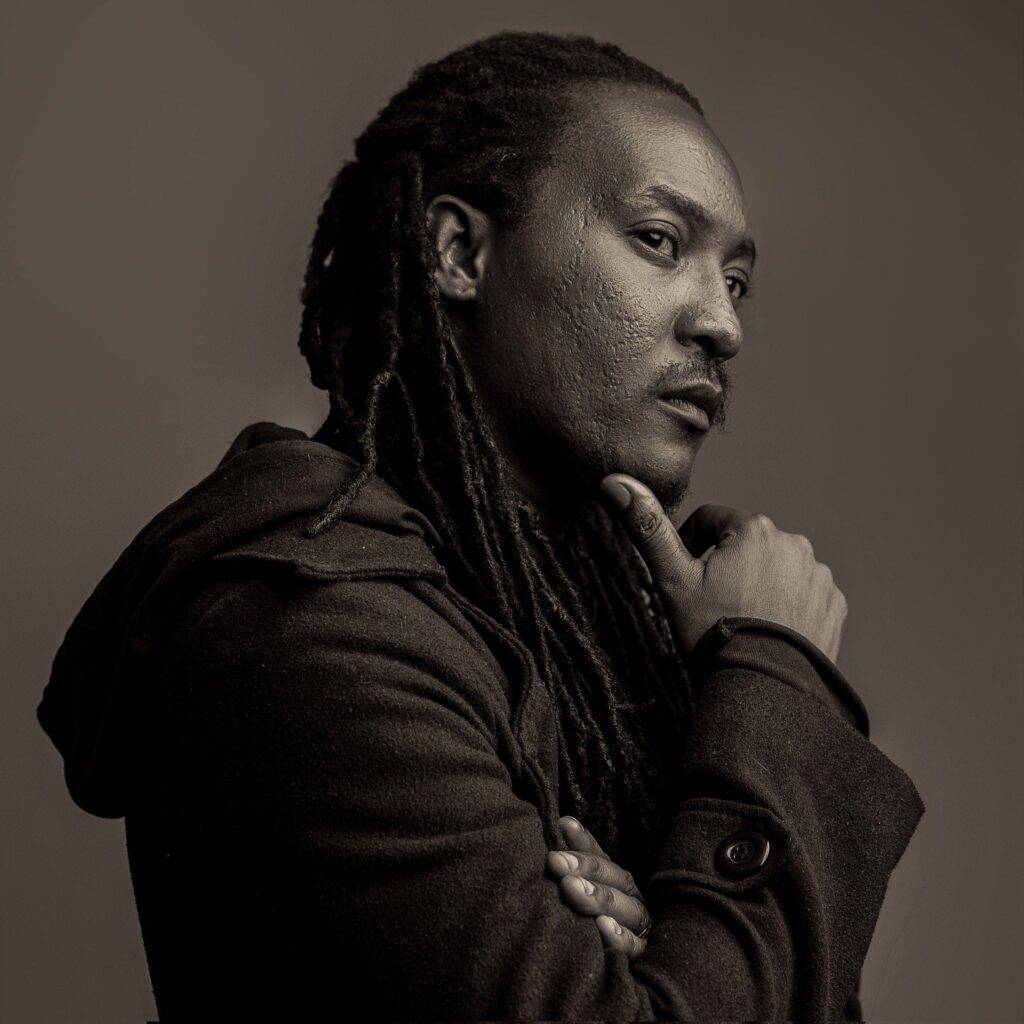
And then there is Jeremiah Gyang. He was the first artist signed to Chocolate City back in 2004. He is a singer, a songwriter, and a multi-instrumentalist. Today he is back in Jos. He farms, makes music, mentors, and chose to return to the city that made him rather than stay in the noise of Lagos. That choice says something.
The Morning Scene on Rayfield
If you want to see what the next wave looks like, go to the Rayfield axis early in the morning.
You will meet young creatives heading to work. But not the kind of work that comes with a suit and a handshake. These ones carry headphones around their necks. Cameras on their shoulders. Microphones in their bags. Laptops tucked under their arms.
Some of them are creatives writing content for organisations in the United Kingdom and the United States. Others are shooting short films. While some are making podcasts, or building brands for companies they will never physically visit.
They look simple. They carry themselves quietly. But they are plugged into a global economy from a city most of the world has not bothered to look at yet.
Creative spaces like Space Media and Inside Plateau sit along that axis, and they are filling up with a new generation of storytellers, designers, and producers who decided that you do not have to be in Lagos to be relevant.
Also Read: Rayfield Jos: Inside Nigeria’s Most Exclusive Billionaire Neighborhood
Beauty Sparks Everything Here
There is something about Jos that does not translate easily into data. It is easier to feel it than to explain it.
During Christmas, the city dresses up. Lights go up on streets and buildings. Decorations appear in unexpected corners. The cold in the air makes everything feel sharper. Content creators walk outside and the city hands them a frame. All they have to do is point the camera.
During Sallah, the open spaces come alive. Boys drift cars. Skaters take over streets. Communities pour out and bring colour with them. Every festival becomes raw material for something new.
This is what a local will tell you about Jos if you ask the right question. Beauty always sparks creativity here. The city does not just tolerate expression. It triggers it.
The New Wave Nobody Is Talking About Yet
The older generation of Jos creatives made their names by leaving the city and conquering bigger stages. The new generation is doing something more interesting. They are staying, and they are bringing the culture with them into their art.
Fashion designers are now cutting English-style clothing from Ngas and Berom fabrics. The silhouette is modern. The material is ancestral. The result is something you cannot find anywhere else in Nigeria.
Musicians are rapping in Tarok. Singing hooks in Hausa. Writing verses that mix street slang with Middle Belt identity in ways that feel completely natural because they are completely natural. This is not a gimmick. This is a generation of creatives that has accepted who they are and decided that identity is not a limitation. It is a weapon.
Names like G-Tapzy, Arin Izere, and Dicekid SOS are starting to move beyond Jos. Fashion outfits like Coded Wears are building their own visual language. These are not artists trying to sound like Lagos. They are artists trying to sound like themselves.
That creative distinction matters enormously.
The Wall That Came Down
Ten years ago, if a secular artist in Jos tried to collaborate with a gospel artist, the answer was almost certainly no. The church kept its music inside. Praise and worship stayed in the sanctuary. What happened on the street stayed on the street.
That wall is coming down.
Orthodox churches like COCIN and ECWA are now opening their doors to Christian rap. That may sound like a small thing to someone outside the city. Inside Jos, it is a revolution. These are deeply traditional institutions. Their willingness to embrace a new sound signals a broader shift in how the city sees the relationship between faith and expression.
Collaborations between gospel and secular artists are now possible in a way they were not before. The same creative root that produced Panam Percy Paul is now feeding a generation that makes music across many more rooms.
The Real Difference Between Jos and Lagos
Ask any serious creative in Jos what separates this city from Lagos and the answer is not talent. It is attention.
Lagos is loud. Lagos has the market, the labels, the producers with the best equipment, and the industry machinery that turns good music into streams and money. When a mediocre artist from Lagos releases a song with a quality mix and a good video, it can still find an audience simply because of where it came from.
Jos operates differently. The creative space here is quiet and it is underrated. But the standard is brutal precisely because of that.
When you hear an upcoming rapper from Jos, the punchlines are likely to hit harder than you expect. The wordplay is likely to be sharper. The construction is likely to be more deliberate. That is not by accident. It is because roughly thirty percent of young people in Jos can sing if they choose to. When thirty percent of your city can do what you do, average is simply not enough to survive.
The challenge is resources. A creative Jos artist making exceptional music on average equipment will lose visibility to a Lagos artist making ordinary music on premium equipment. That is the honest gap. Not skill. Not creativity. Production access and industry infrastructure.
But here is what that gap has also produced. A standard of artistic quality in Jos that is exceptionally high. A culture of creativity where you have to be genuinely exceptional to stand out. A city full of young people sharpening themselves against each other every single day.
Also Read:The Return Question: Are People Moving Back to Jos?
What Happens When the World Finally Looks
Jos has a population of roughly 3.5 to 4 million people. The University of Jos alone holds 52,000 students. Plateau State University and the Plateau State Polytechnic add thousands more. This is a young city. A deeply talented city. A city with creative infrastructure that is quietly growing, from Alewa House to Halo Creative Studio to Ecstasy Art Gallery to the festivals that pulse through the calendar every year.
The Plateau Cultural Carnival, the Jos Festival of Storytelling, the Life in My City Art Festival. These are not small events. They are proof of a city actively celebrating its own creative life.
However, the question is no longer whether Jos is a creative capital. The work answers that question. The question is how long it will take the rest of Nigeria to say it out loud.
Some cities spend decades chasing recognition. Jos has spent decades simply creating. And, the recognition, when it fully arrives, will not be a discovery. It will be an admission.
The secret was never really a secret. The world just was not paying attention.
Jos has always been a creative town. It just never needed you to notice.