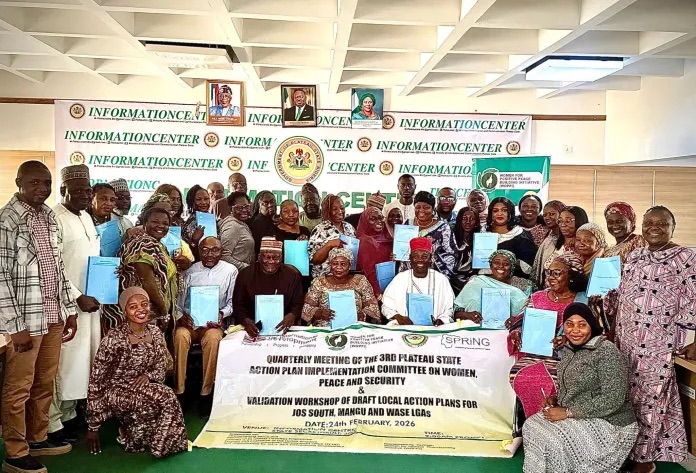
Stakeholders in Plateau State have taken fresh steps to enhance women’s protection, participation, and leadership in peace and security with the validation of Local Action Plans for Jos South, Mangu, and Wase Local Government Areas.
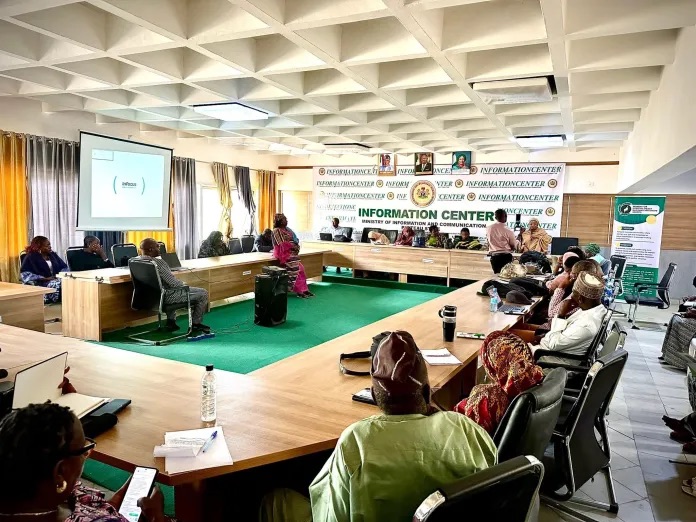
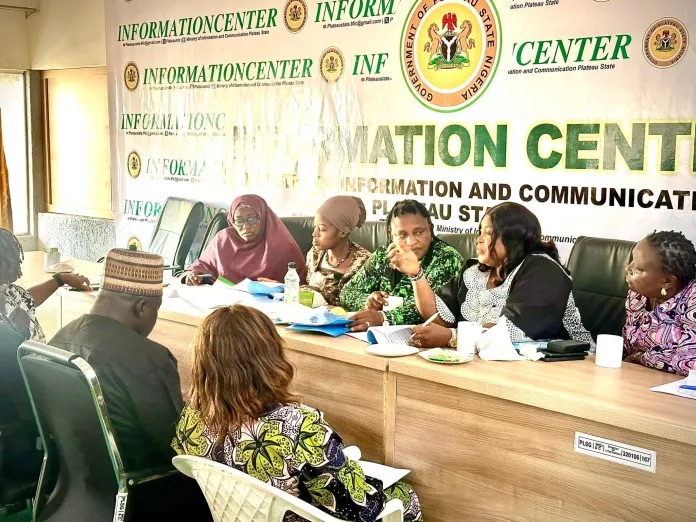
The validation workshop, held Tuesday at the Information Centre, Plateau State Secretariat in Jos, formed part of the quarterly meeting of the Third Plateau State Action Plan (SAP) Implementation Committee on Women, Peace and Security.
The initiative is supported by the Strengthening Peace and Resilience in Nigeria Programme an intervention of the Foreign, Commonwealth and Development Office and implemented by Tetra Tech International Development, with Women for Positive Peacebuilding Initiative serving as implementing partner.
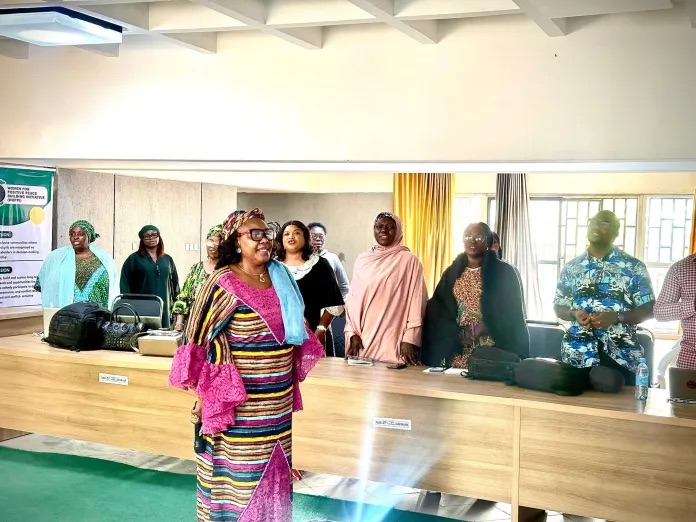
Speaking at the workshop, lead researcher Dr. Sesan Peter of the University of Jos explained that the Local Action Plans are derived from the State Action Plan and aim to create grassroots channels for women to report security threats, access support services, and actively participate in peacebuilding efforts.
He noted that during conflicts, women often shoulder the economic and social burden of caring for families while facing heightened risks of sexual violence and displacement. The local plans, he said, will ensure women can report incidents and seek assistance at community and zonal levels without necessarily travelling to the state capital.
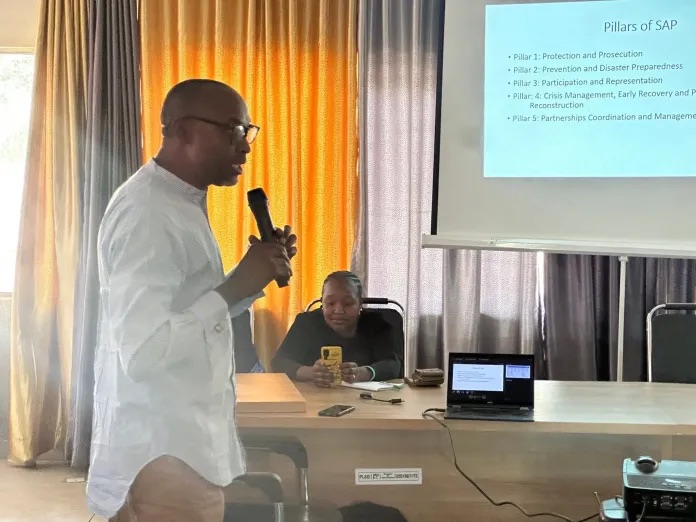
Executive Director of WOPPI, Lantana Bako Abdullahi, described Plateau as one of the few states implementing a third-generation State Action Plan. She explained that the current phase focuses on practical implementation across five pillars prevention, protection, participation, relief, and recovery.
She added that the validation process ensures the local plans align with state policy while remaining inclusive, realistic, and budget-friendly for adoption by local governments.
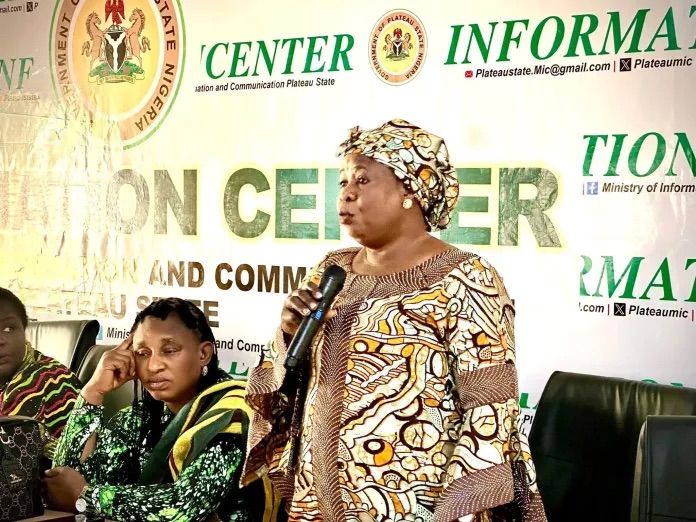
Permanent Secretary of the Plateau State Ministry of Women Affairs and Social Development, Barr. Rebecca Shasset, emphasized that sustainable peace cannot be achieved without women’s meaningful involvement, describing them as vital agents of reconciliation and community resilience.
Representatives from security and social protection agencies also presented progress reports. The National Agency for the Prohibition of Trafficking in Persons (NAPTIP) disclosed recent anti-trafficking operations, including the rescue of 184 victims and the conviction of offenders, while community groups highlighted empowerment programmes targeting women and girls.
Participants stressed the importance of public awareness of key legal frameworks supporting women’s protection, including the State Action Plan, the Violence Against Persons Prohibition (VAPP) Law, and the Gender and Equal Opportunities Law.
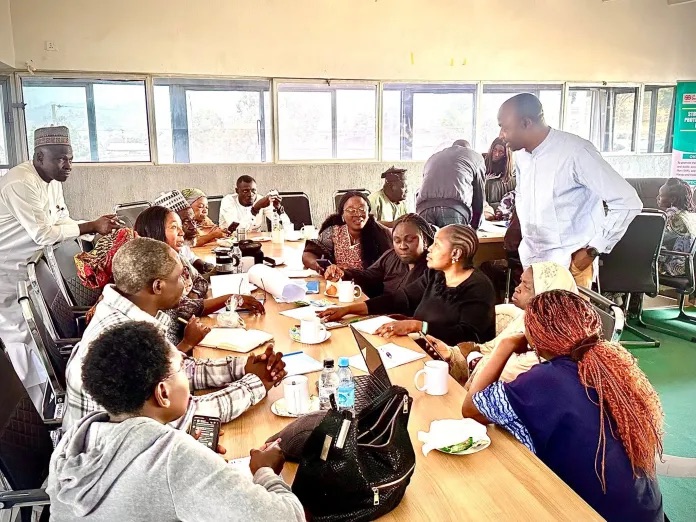
Stakeholders expressed optimism that strengthening women’s leadership and protection mechanisms at the grassroots level will significantly contribute to sustainable peace and security across Plateau State.