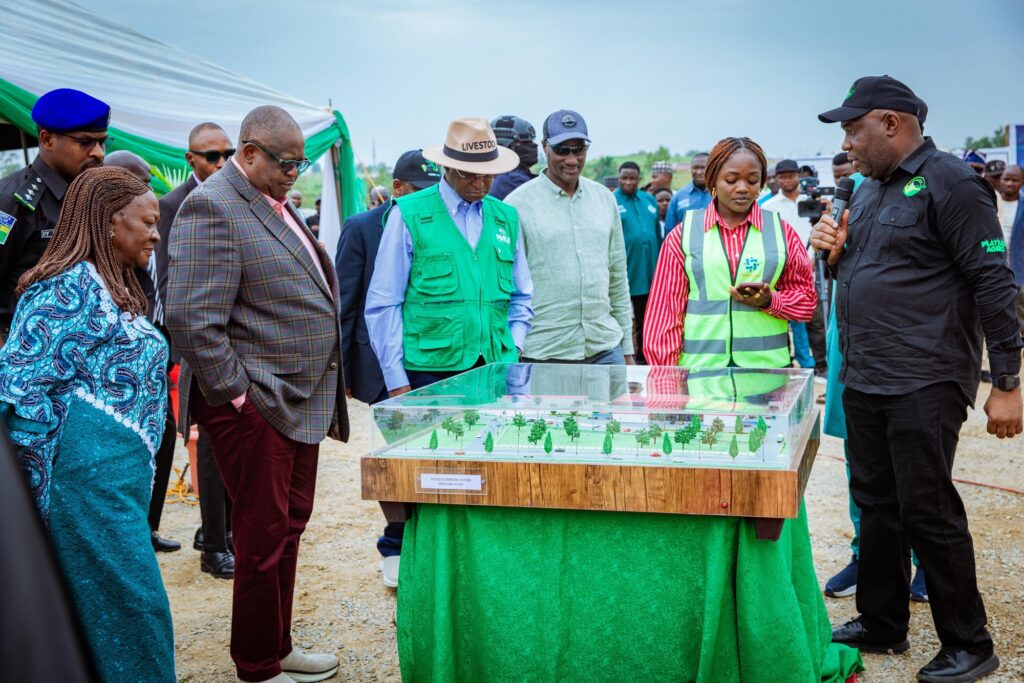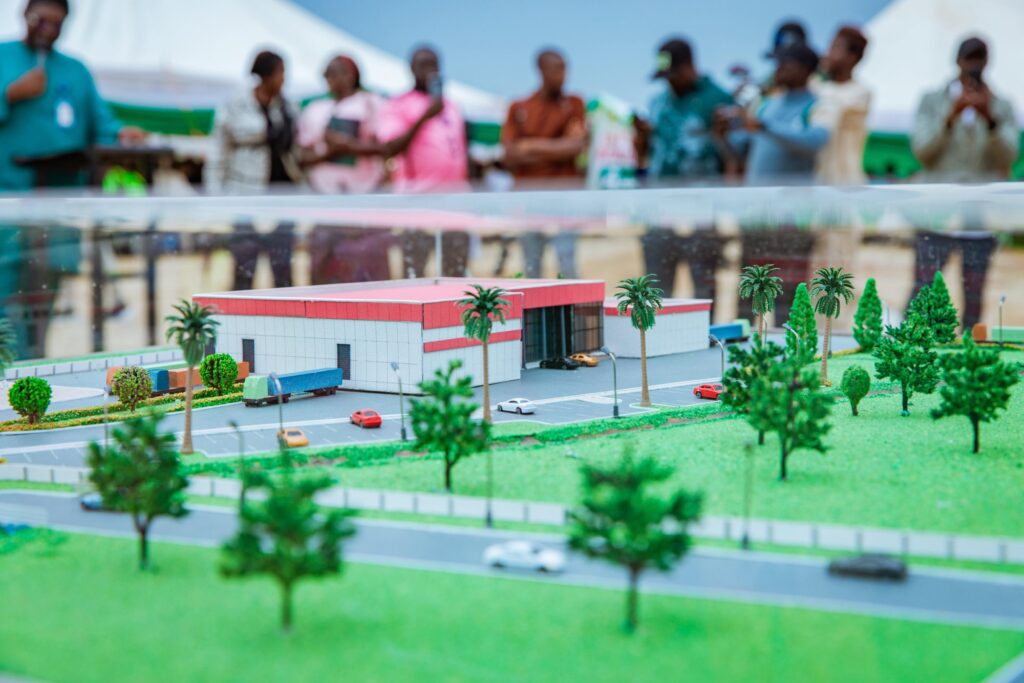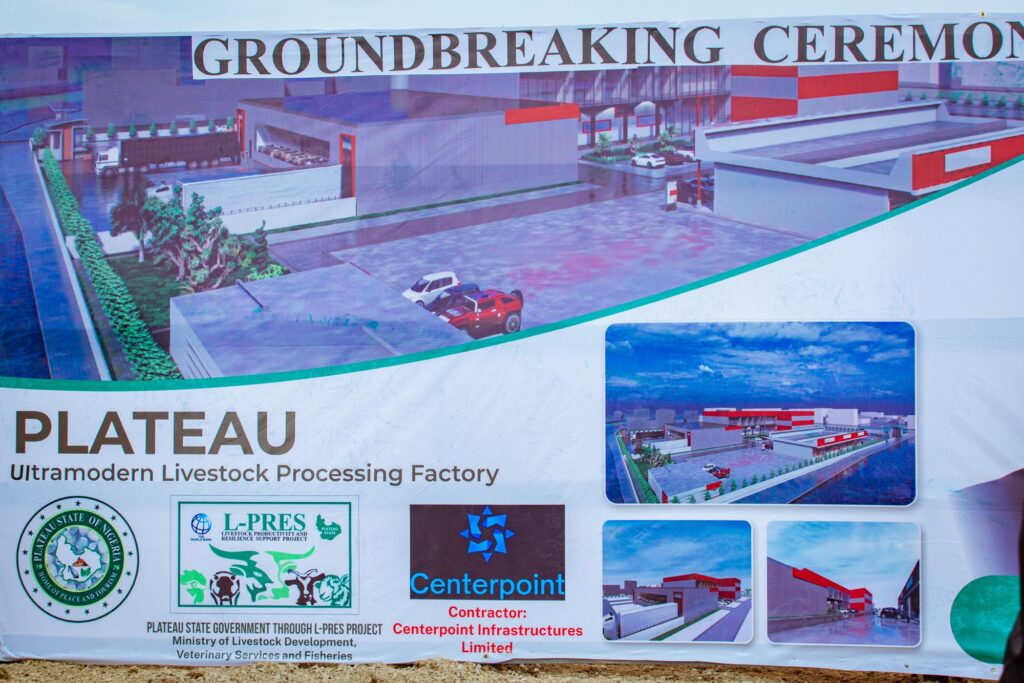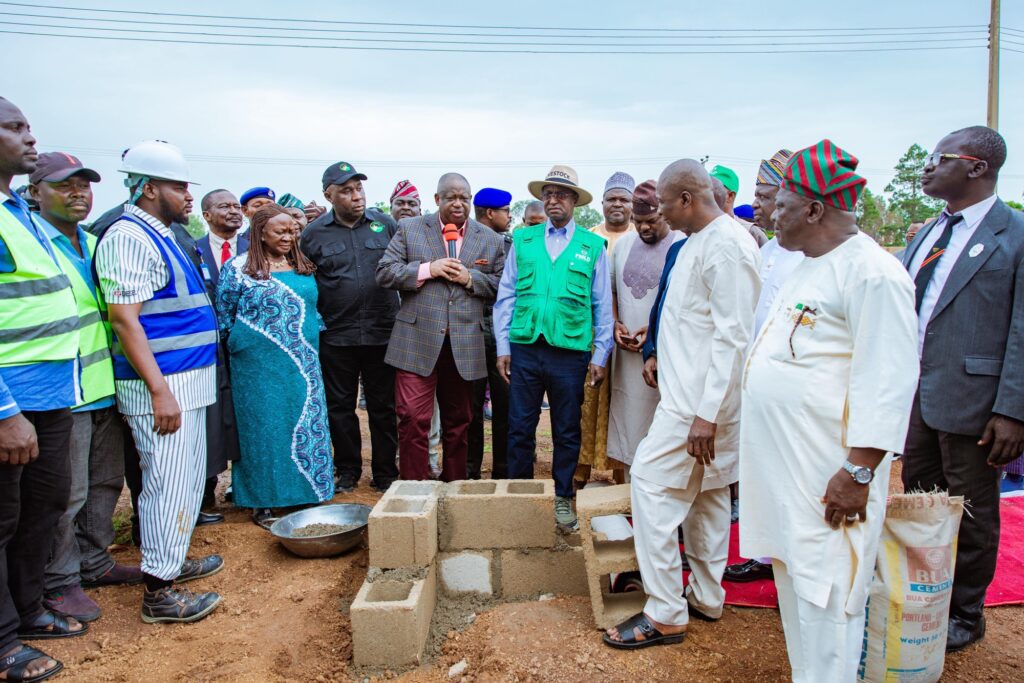
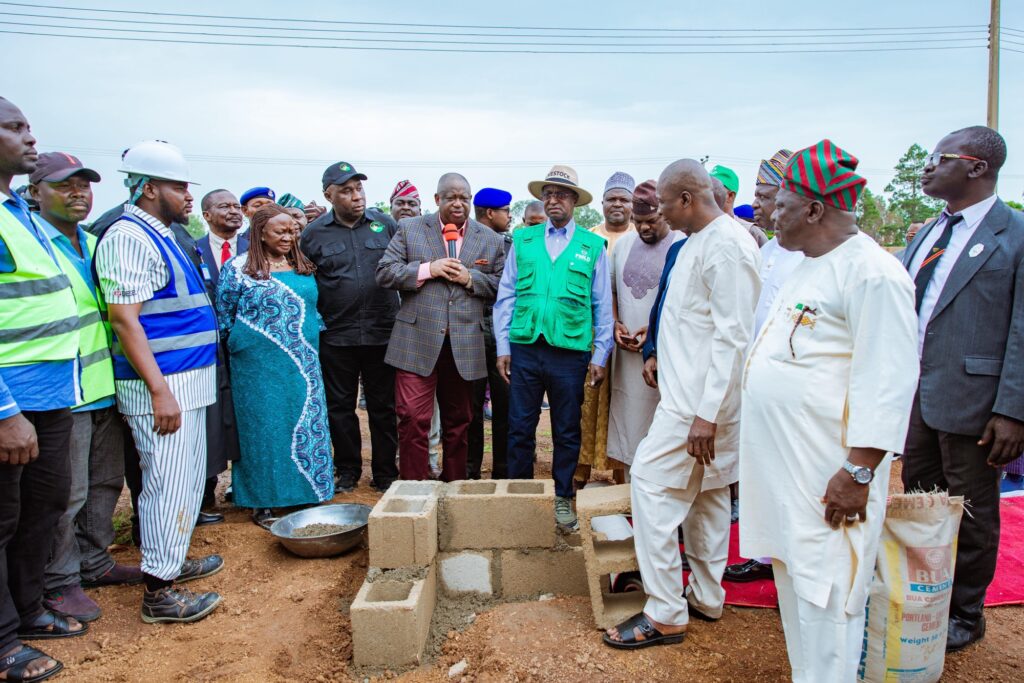
Plateau State on Monday took a major step towards transforming its agricultural landscape with the formal launch of the construction of a 500-cattle-per-day ultra-modern abattoir at Heipang in Barkin Ladi Local Government Area, a flagship project under the Heipang Special Agro-Processing Zone (SAPZ).
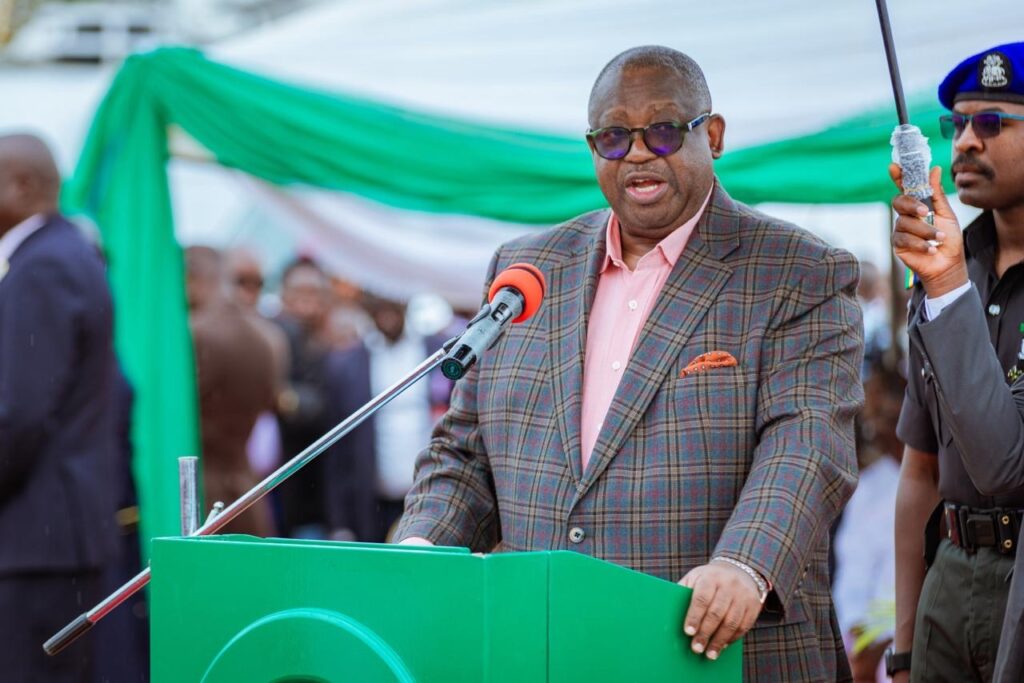
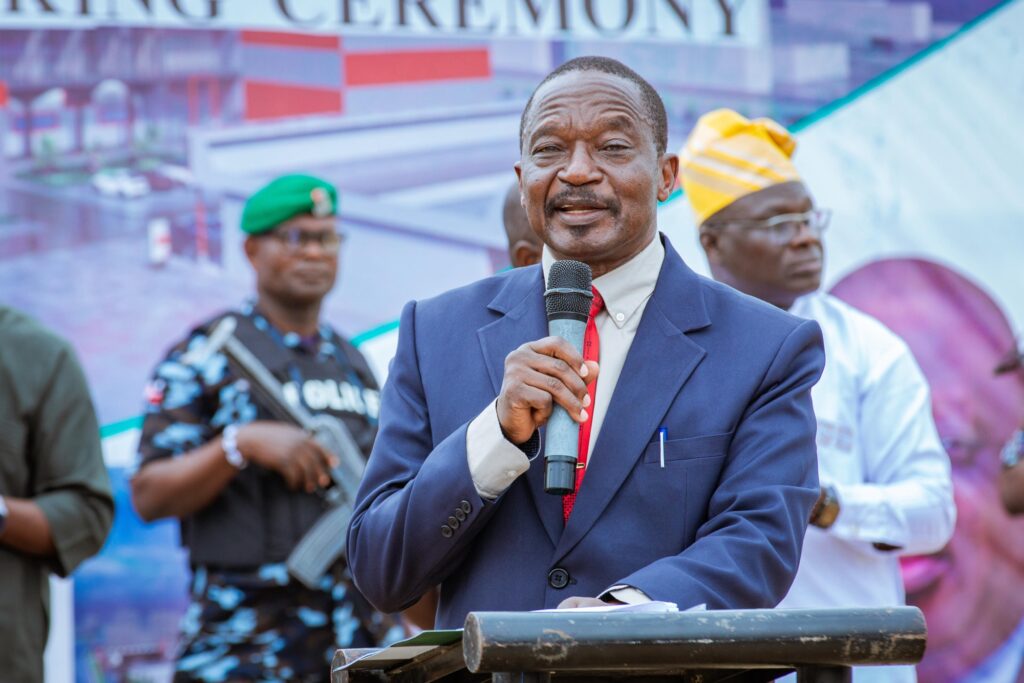
Describing the initiative as “the groundbreaking of a new economic future for Plateau State,” Governor Caleb Manasseh Mutfwang said the project represents a bold transition from traditional livestock practices to a modern, industrialised livestock economy driven by processing, value addition, and inclusive growth.
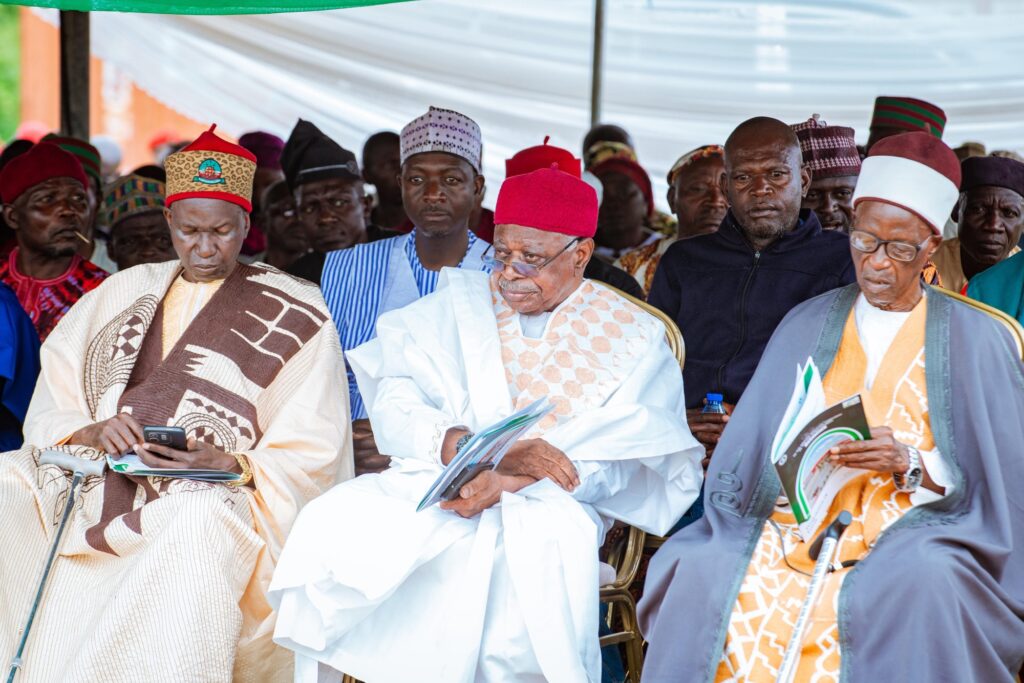
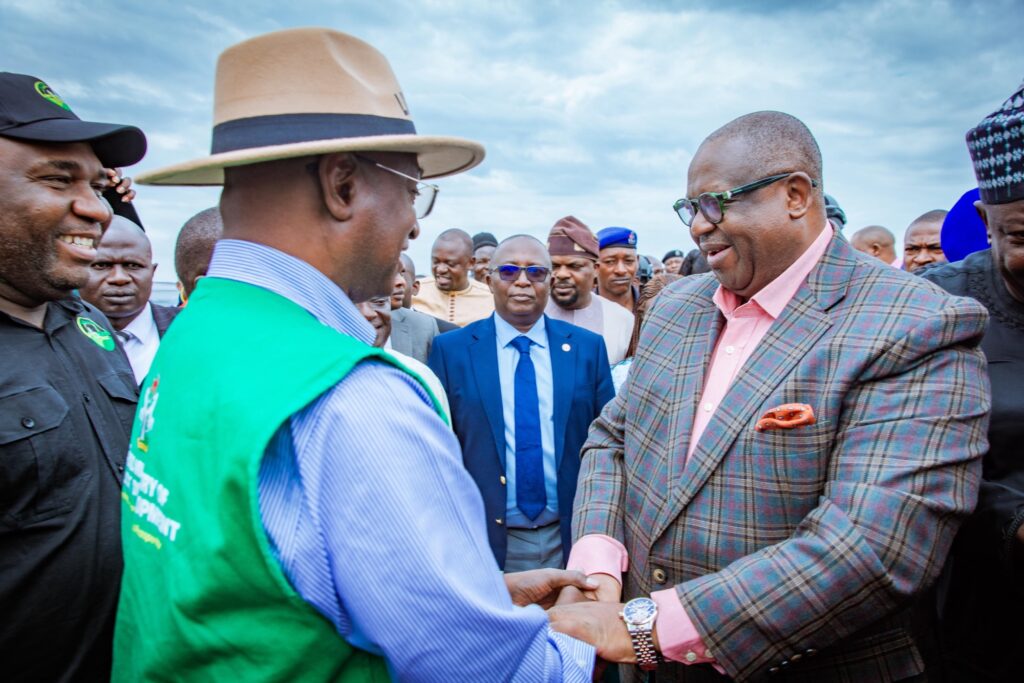
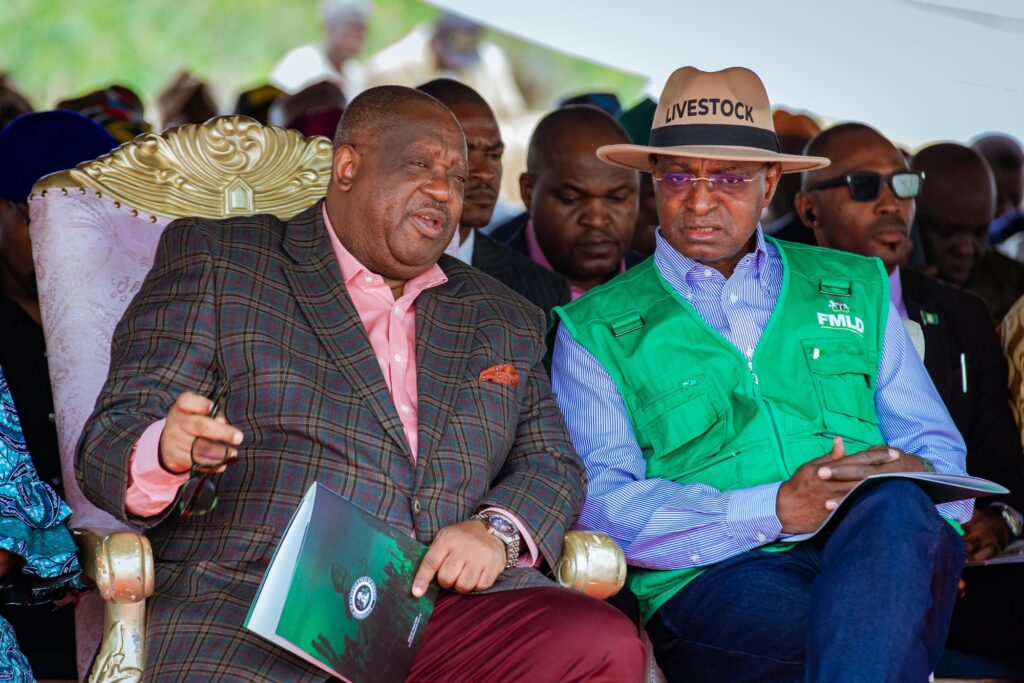
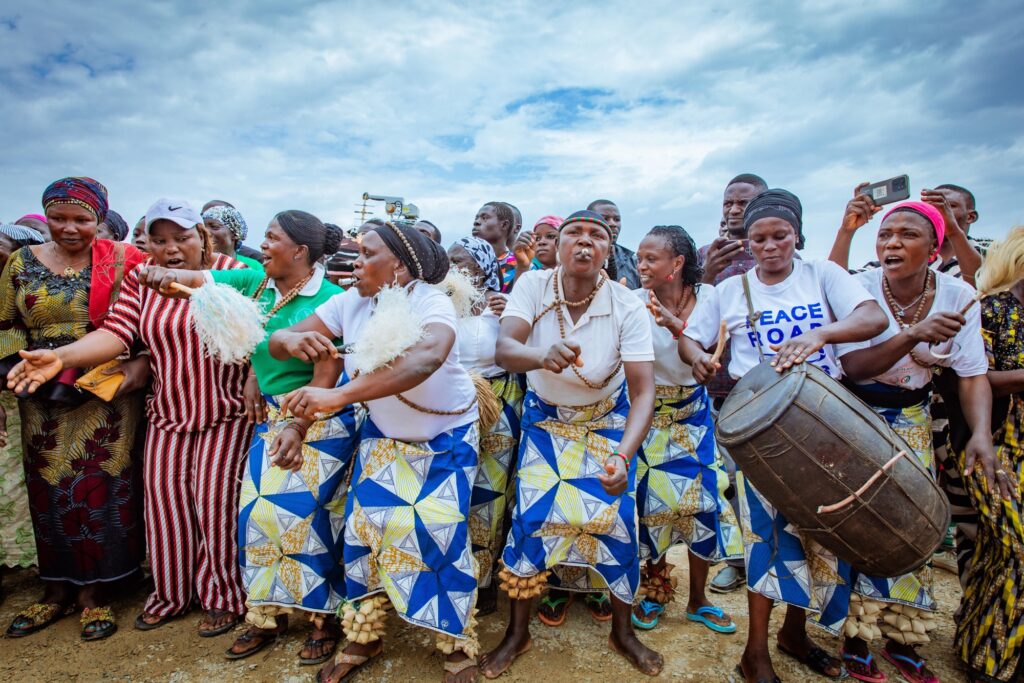
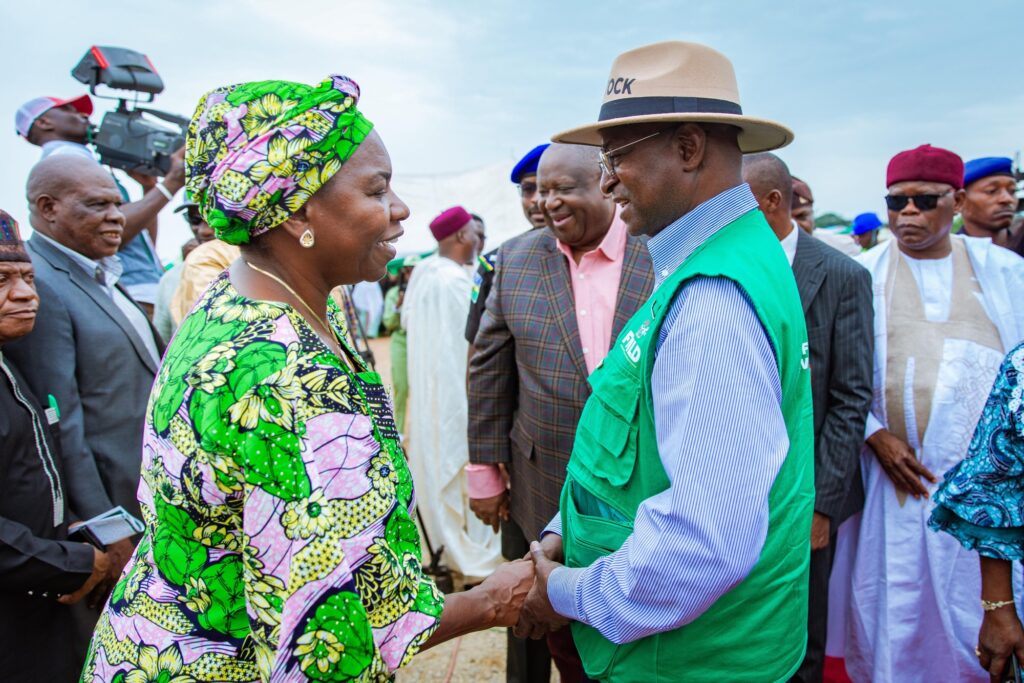
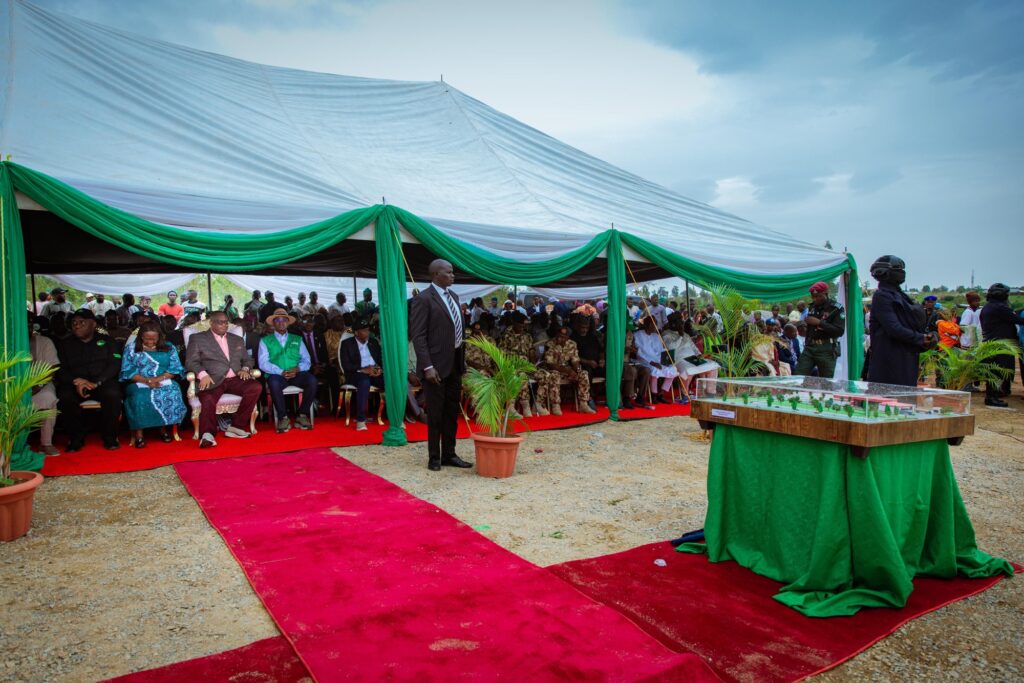
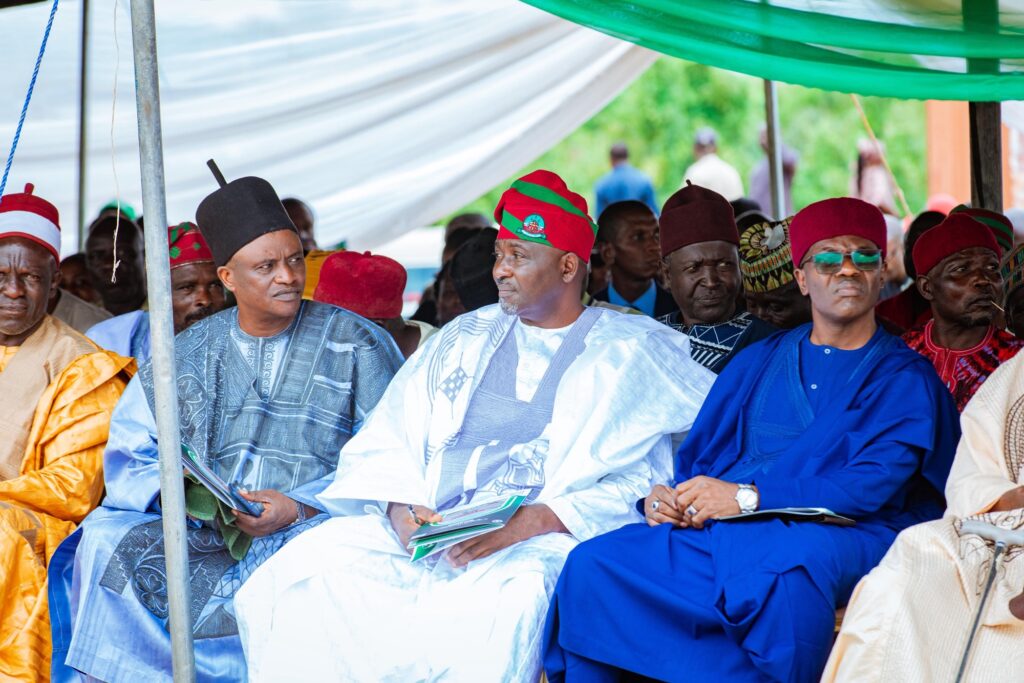
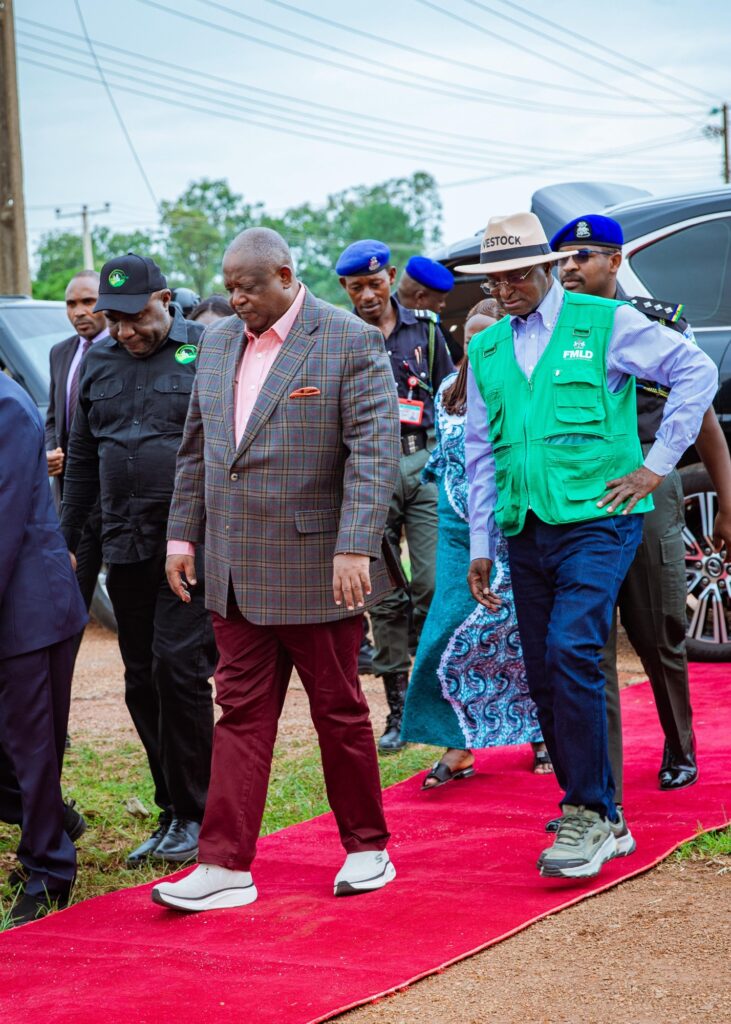
The ceremony drew an impressive gathering of federal government officials, development partners, traditional rulers, investors, and key stakeholders in the livestock sector, underscoring the significance of the project to Plateau State and Nigeria’s broader agricultural transformation agenda.
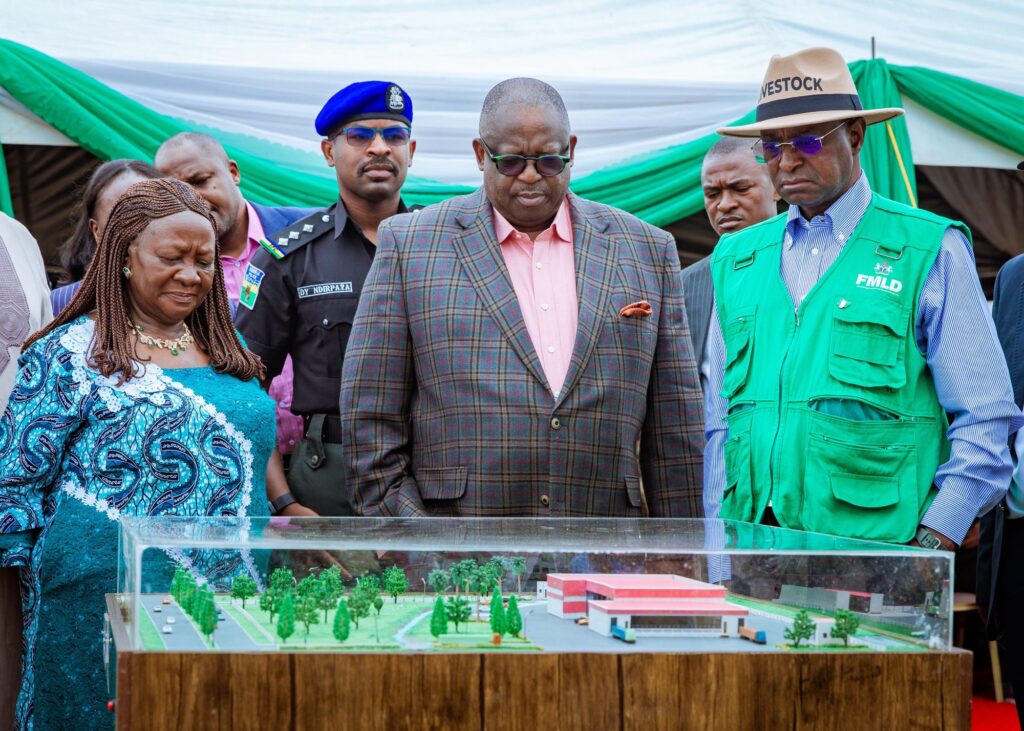
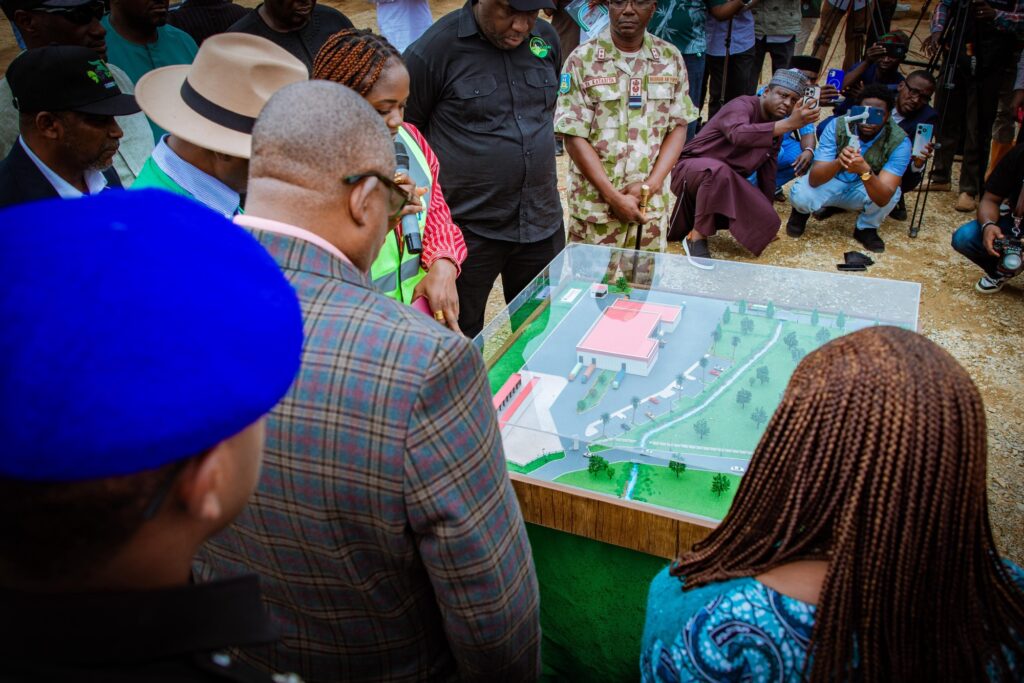
Addressing the audience, Governor Mutfwang said the automated facility, designed to process 500 cattle daily, would be the largest of its kind in the region and would replace crude and unhygienic slaughter methods with a world-class meat processing system that meets international standards.
“Today is more than the groundbreaking of an abattoir. Today is the groundbreaking of a new economic future for Plateau State,” the Governor declared.
He noted that Plateau must move beyond exporting raw agricultural products to processing them locally, stressing that sustainable prosperity lies in value addition.
“The difference between poverty and prosperity is often the difference between producing and processing,” he said.
Governor Mutfwang explained that the state’s livestock development agenda extends far beyond meat production, outlining opportunities across the entire value chain, including hides and skins processing, leather manufacturing, dairy development, feed production, cold-chain logistics, organic fertiliser processing, transportation, packaging, and export.
“Every animal processed here represents multiple economic opportunities,” he stated, noting that each stage of the value chain has the potential to create jobs and generate wealth for Plateau citizens.
According to him, the administration’s vision is to ensure that everyone benefits from the emerging livestock economy—from maize and soybean farmers supplying feed ingredients to dairy collectors, transporters, feedlot operators, processors, and marketers.
He also highlighted the immense potential of forage and fodder production, describing it as a billion-dollar global industry that Plateau State is well-positioned to tap into.
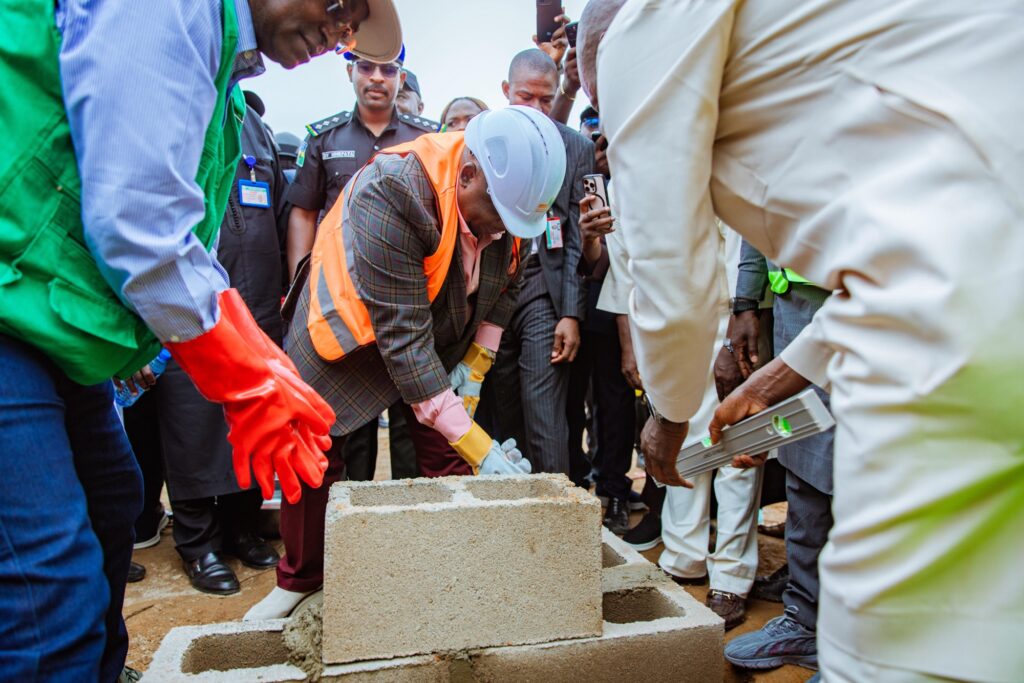
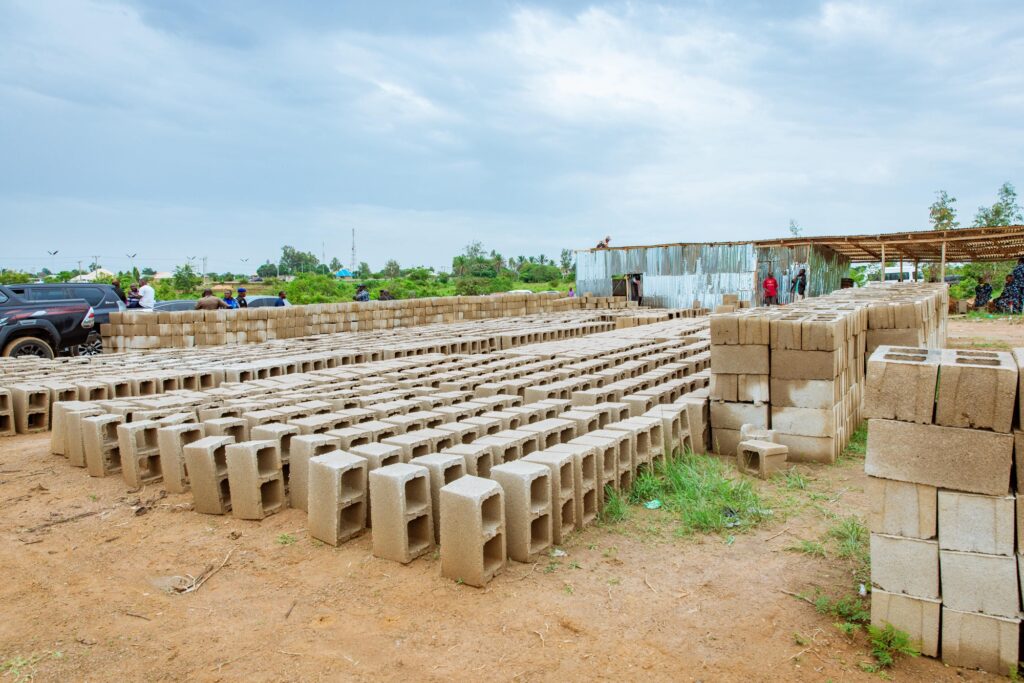
The ultra-modern abattoir is situated within the 500-hectare Heipang Special Agro-Processing Zone, which the government plans to develop into a thriving agro-industrial hub hosting cold-storage facilities, leather processing plants, feed manufacturing companies, and packaging industries.
Speaking at the event, the Minister of Livestock Development, Idi Mukhtar Maiha, commended the Plateau State Government for taking a bold and strategic step towards modernising Nigeria’s red-meat industry.
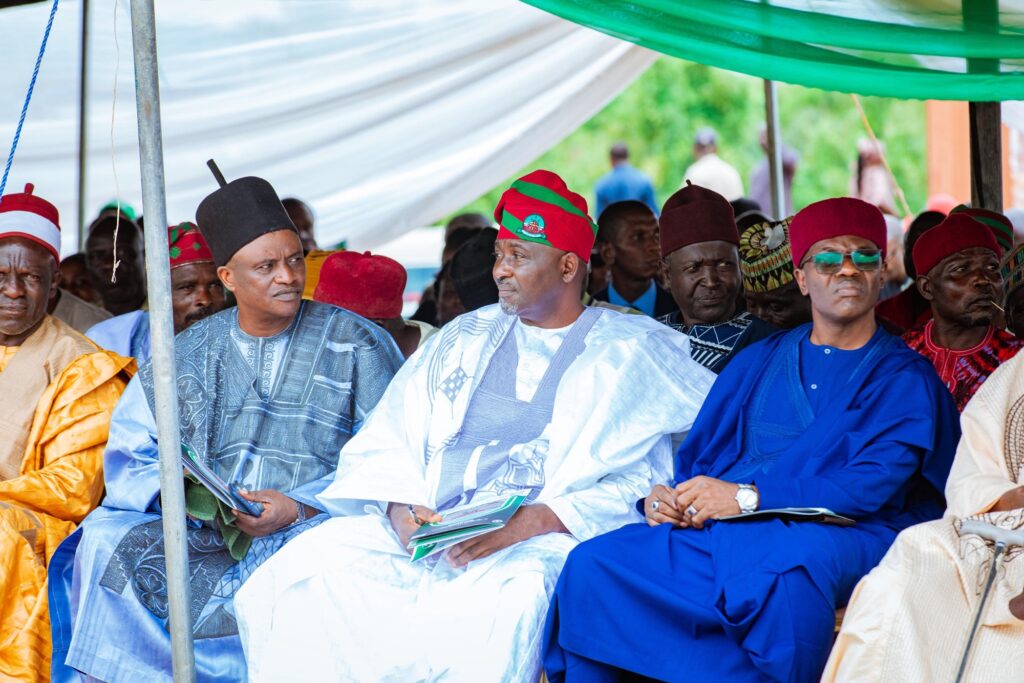
He described the project as “the laying of a foundation for the new livestock economy that protects public health, rewards producers, creates decent jobs, supports export, and restores dignity to every link of the red-meat value chain.”
Maiha observed that Plateau State, particularly Jos and its environs, possesses unique advantages that position it as a natural hub for livestock development, citing its favourable climate, vibrant farming communities, strategic transport links, and the presence of the National Veterinary Research Institute (NVRI), Vom.
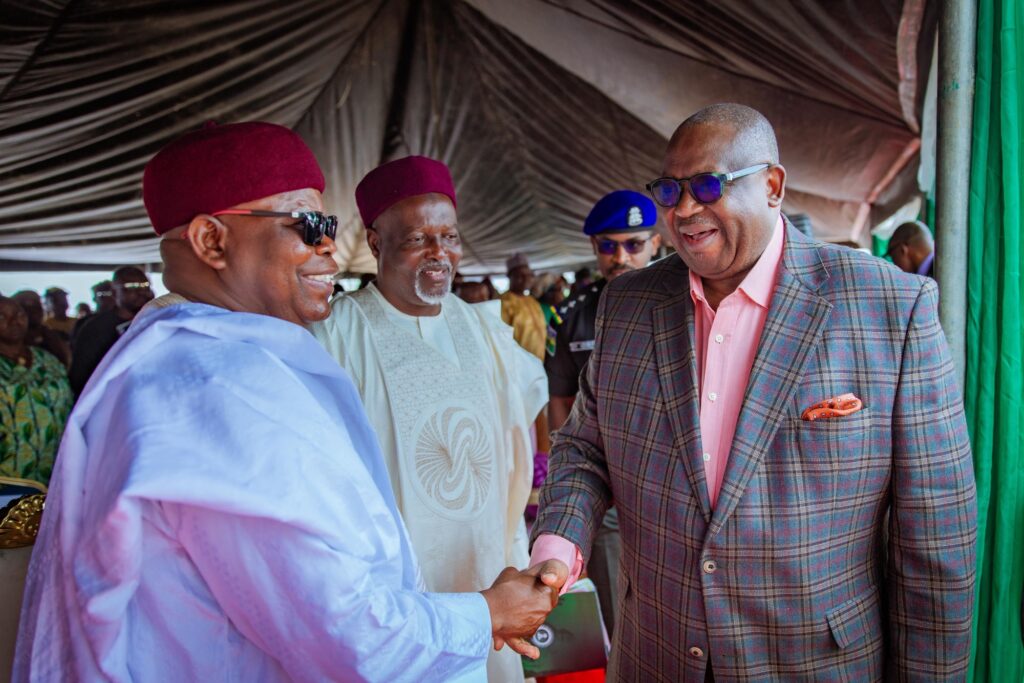
Also speaking, the Plateau State Commissioner for Livestock Development, Veterinary Services and Fisheries, Dr. Sunday Akpa, described the abattoir as a turning point in Nigeria’s journey from informal slaughter practices to modern meat processing.
According to him, the facility will enable the country to move “from waste to value, from avoidable disease risk to food safety, and from trade in raw live animals to an integrated meat industry.”
The landmark project is being implemented with the support of the World Bank, the SAPZ National Office, LPRES, and the Federal Ministry of Livestock Development, among other partners. Governor Mutfwang expressed gratitude for their technical and financial support, noting that their collaboration reflects a shared commitment to building a resilient and prosperous agricultural economy.
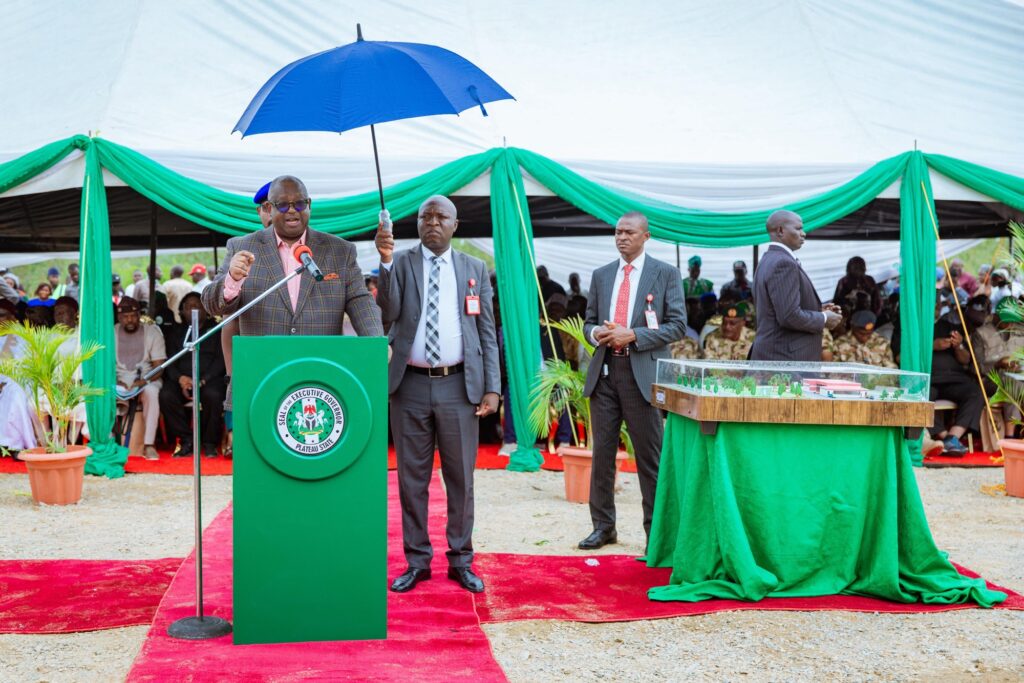
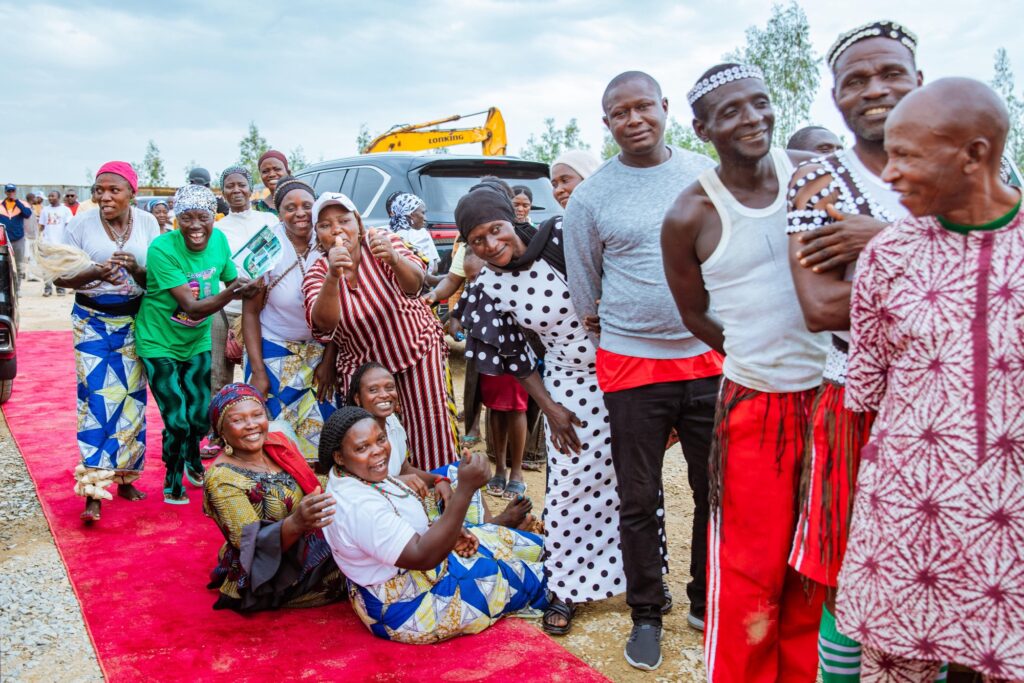
He concluded by urging the host communities of Pommol and Heipang to embrace and safeguard the project.
“This facility is yours. Protect it, own it, and benefit from it,” the Governor charged, expressing confidence that the initiative would deliver lasting economic benefits for generations of Plateau citizens.This version reads more like a comprehensive newspaper report while retaining the key facts, quotes, and development angles from the original.